A poet, novelist, fiction writer, and playwright, Langston Hughes ( 1901 – 1967 ) is known for his insightful, colorful portrayals of black life in America from the twenties through the sixties and was important in shaping the artistic contributions of the Harlem Renaissance.Hughes at university in 1928
Well, son, I’ll tell you: Life for me ain’t been no crystal stair. It’s had tacks in it, And splinters, And boards torn up, And places with no carpet on the floor— Bare. But all the time I’se been a-climbin’ on, And reachin’ landin’s, And turnin’ corners, And sometimes goin’ in the dark Where there ain’t been no light. So boy, don’t you turn back. Don’t you set down on the steps ’Cause you finds it’s kinder hard. Don’t you fall now— flower shops For I’se still goin’, honey, I’se still climbin’, And life for me ain’t been no crystal stair.
“Mother to Son” is a 1922 poem written by Langston Hughes. The poem follows a mother speaking to her son about her life, which she says “ain’t been no crystal stair”. She first describes the struggles she has faced and then urges him to continue moving forward. It was referenced by Martin Luther King Jr. 13 times in his speeches ( including his famous speech : I have a dream ) during the civil rights movement and also by Berrack Obama in his speech at the 2008 Democratic National Convention. The Poem is notable for its style and representation of the mother.The poem explores the dignity and determination of a person when facing problems. The speaker compares her life to a ragged staircase and conjures up an idea that one should not give up. She says that life is full of tests, challenges, and confusion ; hardships , hope and courage , and a person should confront with courage and determination.The central symbols of the poem “Mother to Son” by Langston Hughes are the ideal “crystal stair” and the contrasting rickety staircase which the mother says she has actually had to ascend and which her son must also learn to climb. The tone of the poem is didactic, encouraging, and hopeful. The poet opens this poem by presenting a comparison between the mother’s life and a treacherous staircase in order to show that her life has not been easy and perfect. Poems’ structure provides “the folk diction and rhythm that make the woman real” according to R. Baxter Miller in his writing about the Art and imagination of Langston Hughes ( 2006 ) : : Hughes’s poems “Mother to Son”, “The Negro Speaks of Rivers”, and “Harlem” were described in the Encyclopedia of African-American Writing as “anthems of black America”: :
The scholar Michael Skansgaard divides “Mother to Son” into five “units”. The first two lines introduce the poem. The speaker then goes on to describe how her life has not been a “crystal stair”, and the struggles she has faced. A new section begins after “Bare”, where she starts describing climbing of the stair (“But all the time/I’se been a-climbin’ on”). She goes on to urge her son to not “turn back”, but breaks the pattern established in the two previous sections by only repeating the concept three times, instead of four. Finally the poem ends where it started, describing the climbing of the stair case. : : : : : : : : : : : : : :: The mother in the poem uses a metaphor of a staircase to convey “the hardships of Black life” while also emphasizing her progress and perseverance. As the woman is climbing the stairs, she becomes almost comparable to a religious figure ascending into the heavens, yet remains simply human. Her climb is also comparable to a quest, according to R. Baxter Miller. Miller concludes that “Her internal light illuminates the outer world.”The mother who is delivering the poem to her young son has been described as an “allegorical persona”, who could represent numerous African-American mothers urging their children forward. The professor R. Baxter Miller considers “Mother to Son” to illustrate “how dialect can be used with dignity.” The scholars Regennia N. Williams and Carmaletta M. Williams consider “Mother to Son” to most closely represent Hughes’s relationship with his grandmother, Mary Leary Langston. : : : : : : “Mother To Son” By Langston Hughes : : : : : Information Appreciation and poem Analysis Presented by V Jayaraj Pune India July 28 , 2022 : : : : : : : : : :
ભાવાનુવાદ અર્થ નિર્દેશ આસ્વાદ કાવ્યાર્થ વિચાર સંકલન વિ જયરાજ : : Mother To Son : : લેંગસ્ટન હ્યુજીસ : : ::
“[ ધ્યાન આપજો, પુત્ર તને મહત્ત્વની વાત કહું છું : : મારું જીવન ક્રીસ્ટલ સિડી પર ચઢવાનું હોય એટલું સરળ નથી. તે ( સિડી ) ખીલાઓથી અને કરચોથી ભરેલી હતી. પાટિયાં ઉખડી ગયેલા ( જોખમ ભર્યા ) હતા. અમુક જગ્યાઓ કાર્પેટથી ઢંકાયેલી ન હતી. કપડું બંધ બેસતું ન હતું. પણ , હું આખો સમય ( પગથિયાં ) ચઢતી રહી , કડકે માથા ઉપરની બેઠક પર પહોંચી ગઈ, ખૂણે વળીને બીજો છેડો પકડ્યો છે, અને અંધારે જવાનું આવ્યું હતું જ્યાં કોઈ પણ લાઈટ ન હતી. આથી પુત્ર , તમારાથી પાછું ફરી શકાય નહીં ( ઉતરી શકાય નહીં ). તમારાથી પગથિયાં પર બેસી ન રહેવાય. કારણકે , તમને ખાતરી થાય કે તે વધારે મુશ્કેલ છે. હવે નીચે ન પડી જતા. કારણકે , હું હજી પણ જઈ રહી છું , પ્રિય , હું હજી પણ ચઢી રહી છું. અને મારું જીવન ક્રીસ્ટલ સિડી પર ચઢવાનું હોય એટલું સરળ નથી.]”
Rembrandt, The Return of the Prodigal Son 1662–1669 (Hermitage Museum, St Petersburg)The Polish Rider; possibly the prodigal son. The subject is of much discussion.Stained glass window based on the parable, Charleston, South Carolina. The Prodigal Son, a 1618 painting by Rubens of the son as a swineherd. James Tissot – The Return of the Prodigal Son (Le retour de l’enfant prodigue) – Brooklyn Museum. The Return of the Prodigal Son (1773) by Pompeo Batoni.
Here come I to my own again, Fed, forgiven. and known again, Claimed by bone of my bone again And cheered by flesh of my flesh. The fatted calf is dressed for me, But the husks have greater zest for me, I think my pigs will be best for me, So I’m off to the Yards afresh.
I never was very refined, you see, (And it weighs on my brother’s mind, you see) But there’s no reproach among swine, d’you see, For being a bit of a swine. So I’m off with wallet and staff to eat The bread that is three parts chaff to wheat, But glory be!— there’s a laugh to it, Which isn’t the case when we dine.
My father glooms and advises me, My brother sulks and despises me, And Mother catechises me Till I want to go out and swear. And, in spite of the butler’s gravity, I know that the servants have it I Am a monster of moral depravity, And I’m damned if I think it’s fair !
I wasted my substance, I know I did, On riotous living, so I did, But there’s nothing on record to show I did Worse than my betters have done. They talk of the money I spent out there – They hint at the pace that I went out there – But they all forget I was sent out there Alone as a rich man’s son.
So I was a mark for plunder at once, And lost my cash (can you wonder ?) at once. But I didn’t give up and knock under at once, I worked in the Yards for a spell, Where I spent my nights and days with hogs. And shared their milk and maize with hogs, Till, I guess, I have learned what pays with hogs And – I have that knowledge to sell !
So back I go to my job again, Not so easy to rob again, Not quite so ready to sob again On any neck that’s around. I’m leaving, Pater. Good-bye to you ! God bless you, Mater! I’ll write to you ! I wouldn’t be impolite to you, But, Brother, you are a hound !
The Prodigal Son ( Enlarged from Kim ) Western Version : ; By Joseph Rudyard Kipling : ( 1865 ( Bombay: British India – 1936 ( London ) : : : : Kipling used the first verse as the heading to Chapter V of Kim in 1901. It reflects the events in the chapter, where Kim meets a regiment on the march, is recognised as the son of a former soldier, and arrangements are made to send him to school. But all the time Kim is planning to escape back to his free life on the road with the lama.
The chapter heading is called “The Prodigal Son”. When collected it gained the subtitle “Western Version.” The only other poem that Kipling called a “Western Version” is the much later “Cain and Abel” of 1934. The complete poem is collected in :
“The Prodigal Son” is one of Jesus’ best-known parables (Luke 15, 11-32).
A man has two sons. The younger asks for his share of the inheritance and goes off and spends it all on a dissolute life. Then he falls on hard times and can only find work as a swine-herd. So he decides to go home and ask for forgiveness. His father welcomes him back and gives a feast for him. But the elder brother resents all the fuss, pointing to his own years of obedient service: no-one ever gave a feast for him.
The poem is a meditation by the younger son, comparing the home life he has come back to with the freer, less refined but happier life he knew when feeding hogs.
The Bible story ends with the father repeating his delight at the return of the son he thought was lost to him. The idea that the Prodigal Son went off to work in the Yards again is entirely Kipling’s own. : : [Verse 1 ]
When Adam first sees Eve he exclaims ‘This is now bone of my bones, and flesh of my flesh’. (Genesis 2.23)
the fatted calf a direct quotation from the parable v.23: ‘Bring hither the fatted calf.’
the husks see v.16: ‘And he would fain have filled his belly with the husks that the swine did eat.’
off to the Yards This is not a biblical reference. It may refer to stockyards, like the yards for marshalling and slaughtering cattle in Chicago, that Kipling visited on his journey across America in 1989, places where rough casual work was to be had. (See From Sea to Sea Vol II.
[Verse 2]
I’m off with wallet and staff A wallet and a staff were the traditional equipment of a pilgrim or wanderer, like the begging bowl and crutch of an Indian holy man. (See “The Miracle of Purun Baghat” in The Second Jungle Book.)
[Verse 4]
I wasted my substance See v.13: ‘wasted his substance with riotous living’.
[Verse 5]
knock under to yield, to give in See OED:
shared their milk and their maize with hogs A twist on Luke 15.16:[D.H.]
he would fain have filled his belly with the husks that the swine did eat: and no man gave unto him. An Americanism fitting for a “Western Version.”
[Verse 6]
on any neck that’s around See Luke 15.20: [D.H.]
And he arose, and came to his father. But when he was yet a great way off, his father saw him, and had compassion, and ran, and fell on his neck, and kissed him.
Pater… Mater Latin for Father… Mother.
The notes hereinabove , about the Jesus best known Parables as well as Explained Words found in Six Verses of The Poem: “The Prodigal Son” : By Rudyard Kipling are From the Blog Bye kiplingsociety : : : : ::
Luke’s version is a story of redemption. A wastrel lose his inheritance “with riotous living”, admits his error, “I […] am no more worthy to be called thy son”, but his father forgives him, kills the fatted calf, and tells his resentful older brother to rejoice “for this my son was dead, and is alive again; he was lost, and is found”.
Kipling got to the heart of the story. It’s not sufficient to kill the fatted calf. We need to shed our smug piety at the sinner’s misfortune. The prodigal son’s character is developed with surprising vividness, and he’s definitely someone the reader can sympathise with and cheer for. According to the original story, the younger son is not sent out but runs away with his share of heritage. Kipling changed the story giving a twist. When everything is provided to you, you never really feel independent. We find a drive among people to be able to make their own choices and even make their own mistakes- and when you’re sheltered, you never have that freedom to make your own choice. When people including your loved ones persuade you for certain choices , convincingly , and you can be more secured in adopting their choice better for you , but you loss your freedom. Too much security is stifling – an you can push people (i.e. your children) away by taking away their freedom. Maybe Kipling channeled in this way when he changed the storyin his styled plainness and directness.
For instance , the plainly said words in the line : “I know that the servants have it I Am a monster of moral depravity, And I’m damned if I think it’s fair! ” : : Humour is found in the lines : “My father glooms and advises me, My brother sulks and despises me, And Mother catechises me Till I want to go out and swear.” And : “till I want to go out and swear”. And : , “I wouldn’t be impolite to you, But, Brother, you are a hound! ” This is the way The Prodigal Son speaks in the poem.
The story of the prodigal son is a picture of God’s love for us as His children. God’s love for us does not depend on our faithfulness; it is unconditional. He loved us while we were still sinners. Though we are demanding and do not remain faithful, God is still our faithful and loving Father. The poem explores the wretched, miserable existence of a man who’s life is controlled by his prodigality. The Father’s love and compassion for a wayward son is conveyed as a mood of hope for we always have a castle awaiting for us with the lord who will forgive us. The theme is redemption. The son was lost but then found. The father in the parable signifies God; the elder son. the just; and the younger son, the sinner.
God the Father, too, is happy and willing to accept those who repent. He is a forgiving Father!
He wants us to be forgiving. In the model prayer Jesus encourages us to call upon our Father, saying, “And forgive us our debts, as we forgive our debtors” (Matthew 6:12).
And He wants us to be forgiving. In the model prayer Jesus encourages us to call upon our Father, saying, “And forgive us our debts, as we forgive our debtors” (Matthew 6:12).
Understanding this context can help us to see the failings of the older brother in the next parable, the parable of the lost son. After all, the lessons Jesus was conveying not only applied to the Pharisees and scribes, but also to us today. The father obliged and gave him his inheritance early. Normally that would have been bestowed upon him at the time of his father’s death. We find many examples in our society involving property disputes among the Brothers and Sisters , Etc.; Requiring this desirable practice of giving inheritance earlier , during lifetime of father. The younger son’s attitude toward both his inheritance and his father showed a lack of maturity and wisdom, but he learned a huge lesson through the experiences that followed and finally returned home humble and repentant . The father was so overjoyed when he saw his son return that he kissed him and made a sumptuous feast for him . The older son is read in the original parable as saying , “Lo, these many years I have been serving you; I never transgressed your commandment at any time; and yet you never gave me a young goat, that I might make merry with my friends.” And the elder brother showed no compassion for his younger sibling. Even before meeting him, the older son accused his younger brother of having “devoured your [his father’s] livelihood with harlots”.
The father reminded the oldest son that he still had his inheritance. And the father made it clear that though the younger brother had squandered his portion of the family’s resources, he was to be accepted back as a member of the family.
Christ pointed out many times how the interpretation of the law and additions to it actually caused people to break God’s law (see Mark 7:9-13, for example). Acting as spiritual policemen by building a body of dos and don’ts to keep others from sinning should therefore be viewed as afresh instead of punishing them as sinners.At the end of the parable, we are not told the result of the father’s discussion with the older brother. But those sitting around Jesus, and hopefully some of the scribes and Pharisees, may have perceived how His remarks applied to them.
God can show mercy and forgiveness to people from any background if they are repentant, as the lost son certainly was.
Lessons for present-day society can be found in taking approches like : : Prevention is better than cure : : we should try—without being domineering or self-righteous—to help others avoid pitfalls that could lead them to lose. Gentle correction can be effective when a trusting and considerate relationship is already present. : : Thosewho threw in the towel may yet return to the fold. : : Our relationship with our Father is enriched through gratitude. : : Our roleplay as beneficiaries of our father’s generosity, warmth and compassion. God is the One who gives to us and helps us grow in righteousness, so that we can be “enriched in everything for all liberality, which causes thanksgiving through us to God. : These ways of Christian Way of life is practicable for all. Are we like Christ, who was willing to sit and eat with “sinners and tax collectors”? We should have the same mind-set as God and not prejudge persons we meet and that people will be unrepentant when they come to understand that they have not desirably followedthis Godly path made available in our scriptures and such virtuous writings.e Also , we must avoid the unforgiving, self-righteous attitude of the older / big brother. Instead, we should take our cue from our forgiving and caring Father. If the Father lives in us (John 14:23), we will indeed be able to forgive any prodigal son that repents.
Bid a strong ghost stand at the head That my Michael may sleep sound, Nor cry, nor turn in the bed Till his morning meal come round; And may departing twilight keep All dread afar till morning’s back, That his mother may not lack Her fill of sleep.
Bid the ghost have sword in fist: Some there are, for I avow Such devilish things exist, Who have planned his murder, for they know Of some most haughty deed or thought That waits upon his future days, And would through hatred of the bays Bring that to nought.
Though You can fashion everything From nothing every day, and teach The morning stars to sing, You have lacked articulate speech To tell Your simplest want, and known, Wailing upon a woman’s knee, All of that worst ignominy Of flesh and bone;
And when through all the town there ran The servants of Your enemy, A woman and a man, Unless the Holy Writings lie, Hurried through the smooth and rough And through the fertile and waste, Protecting, till the danger past, With human love.
‘A Prayer for my Son,’ written from the perspective of a father who wants to protect his son against all odds during the brewing war and Chaos in Ireland. Yeats seeks the help of a Ghost to keep his son, Michael, away from the evil of the world. He says that the Ghost with a sword in its fists to ward off evil should stand by the cradle of the baby and keep him safe always so that his son gets a night of better sleep, his wife also could get some rest during the night.Omnipresent and All powerful God cannot speak and express what he wants . Hence , the Poet expresses discontent for God. He speaks of how powerful human love is and the willpower to protect one’s kind . So , even if God’s enemies attempt to rampage the Earth, humans will fight it with their love for one another. Ironically, Yeats seeks a ghost over God to protect his son. It shows his failing faith in God, who has failed to stop the chaos in the world. : : : :
Human love, anxiety, and the pathos of war and anxiousness of a Praying father due to calamities of the war are Themes in the poem : “A Prayer For My Son” set in revolutionary Ireland, where there were gunshots and chaos everywhere : : 32 lines in 4 Stanzas , each of 8 lines are arranged to follow the rhyming pattern of ABABCDDC which may remind one of the simpler ABABCDCD rhyme scheme of many lullabies . Yeats’s fear for his son as an anxious father is real one. Knowledge of his own status in the Irish elite is evident in the word “haughty.” His infant son’s life is threatened by his possible later “haughty” deeds because he is a member of the Protestant Ascendancy: a group targeted by the IRA. Yeats converses with God in a more traditional, one-on-one fashion. : : : : Information Appreciation and poem Analysis Presented by V Jayaraj Pune India July 27 , 2022 : : : : : : ; : : : : : : : : : :
” [ મહાબલી ભૂતનું સ્વાગત છે, માથા આગળનું સ્થાન સંભાળજો કે (જેથી) મારો માઈકલ ગાઢ નિંદ્રામાં સૂઈ શકે. રડે નહીં , પથારીમાં સળવળે નહીં , જ્યાં સુધી એનું સવારનું નિયમિત ભોજનિયું આવી પહોંચે ; સંધ્યાકાળ ચાલ્યો જાય અને સવાર પડે ત્યાં સુધી બધા ભયકારીઓને છેટે રાખે , જેથી એની ‘મા’ ની ઉંઘ પુરી થવામાં કમી ન રહી શકે. સ્ટાન્ઝા ( ૧ ) : :
ભૂતને મૂઠ્ઠી બંધ હાથમાં તલવાર પકડી રાખવાની આજ્ઞા કરી છે : કેટલાક ત્યાં છે , હું જાણું છું આવા અતિ દુષ્ટ નૃશંશ સ્વરૂપો ફરતા હોય છેજેણે એની હત્યા ની યોજના બનાવી છે કારણકે, તેઓ જાણે છે ખૂબજ અહંકારી કૃત્ય ને અથવા વિચારી રાખ્યું છે તેવા સંભવિત ભવિષ્યના દિવસોના આવવા ઉપર હાવી થવા માટે. અને , ઉપસાગરિય વેરભાવ ઊભો કરીને નકામું થઈ જાય એટલે સુધી . સ્ટાન્ઝા ( ૨ ): :
જોકે , તમે બધું જ ઘડી શકો છો , દરરોજ , ‘કંઈ નહિ’ માંથી પણ , સવારે ઉગતા તારાઓને ગીત ગાવા માટે પ્રેરિત કરી શકો છો , તમારી પાસે , શબ્દો સ્પષ્ટ કરતી અ઼સ્ખલિત વાણીનો અભાવ છે : સૌથી સાદી સરળ તમારી જરૂરિયાત વ્યક્ત કરવા માટે , ઓરતની ગોઠણ પર ટેકવીને કરેલા વિલાપ (તમે) જાણો છો મનુષ્યના દેહગત સ્વભાવના અનર્થકારી અપયશ : સ્ટાન્ઝા ( ૩ ) : :
અને જ્યારે , આખા નગરમાં એક છેડેથી બીજા છેડા સુધી , કૂદતે પગલે ફેલાઈ આગળ ધસી આવ્યા , તમારા શત્રુપક્ષના અનુચરો , એક સ્ત્રી અનેપુરુષ , સિવાય કે પવિત્ર ગ્રંથો એ જૂઠ્ઠાણું લખ્યું હોય , ઉતાવળે ગમા અને અણગમા સાથે લઈને , ફળદ્રુપતા અને ઉજ્જડતા માં થઈને, માનવોચિત સ્નેહ- પ્રેમના આશરે ભય પસાર થઈ જાય ત્યાં સુધી ભયાવહતા સામે રક્ષણ કરતા રહ્યાં. સ્ટાન્ઝા ( ૪ ) : :
અર્થ નિર્દેશ આસ્વાદ કાવ્યાર્થ વિચાર સંકલન વિ જયરાજ Pending visit this post again later on to enjoy the appreciation of the poem : : : : : : જુલાઈ ૨૭ , ૨૦૨૨ : : અષાઢ વદ ચતુર્દશી : : પૂણે ઈન્ડિયા:
Born in 1572, Ben Jonson ( 1572 – 1637 ) is regarded as one of the major dramatists and poets of the seventeenth century.
On my First Sonne BY BEN JONSON Farewell, thou child of my right hand, and joy; My sin was too much hope of thee, lov’d boy. Seven years tho’ wert lent to me, and I thee pay, Exacted by thy fate, on the just day. O, could I lose all father now! For why Will man lament the state he should envy? To have so soon ‘scap’d world’s and flesh’s rage, And if no other misery, yet age? Rest in soft peace, and, ask’d, say, “Here doth lie Ben Jonson his best piece of poetry.” For whose sake henceforth all his vows be such, As what he loves may never like too much.
‘On My First Sonne’, Ben Jonson’s short poem for his son Benjamin, who died aged seven, is one of the most moving short elegies in the English language meaning much to literature students of modern times. Jonson (1572-1637) was a contemporary of William Shakespeare and, like the Bard, wrote poems as well as the plays for which he is well-known. ‘On My First Sonne’ as well as the medieval dream poem ‘Pearl’ are the first two poems written as to be called ‘elygy for a child’; the former is the first modern expression of grief in English language. The poem looks simple, yet hides the depth of literary sophistication.‘On My First Son’ was first published in 1616, quite a few years after the actual death of his son in 1603. It was published in a collection called Epigrams. Simplified version of this poem is given HERE In BELOW : : : :
” [ Goodbye to you my favourite child , my joy. I placed too much hope in you , beloved child. You were lent to me for seven years , and now I have to pay back loan – fate demands it. Oh ! I would give up being father altogether now ! Why should we grieve at all ? We should , instead envy you. You have escaped so quickly from the demands of the world and of the body. You will never have to experience torment of aging. So rest peacefully – and if anyone asks you , tell them , ” Here is the best poem Ben Jonson ever wrote .” For your sake , I will vow from here forward not too love, anything too much. ] ”
” મારા પ્રથમ પુત્ર પર ” , બે’ન જોન્સન : : ભાવાનુવાદ અર્થ નિર્દેશ આસ્વાદ કાવ્યાર્થ વિચાર સંકલન વિ જયરાજ : : : : :
” [ આવજો ! કહ્યું તને , મારા લાડકા પુત્ર. મારા હર્ષને વિદાય. પ્રિય પુત્ર , મને તારા માટે બહુ આશા હતી. મેં તને સાત વર્ષ માટે , પાછો આપવાની શરતે મેળવેલો , અને હવે , મારે ઉછીનું લીધેલું લોનની જેમ પાછું આપવું પડે, વિધિનો એ તકાદો છે. ઓહ ! હું આપીશ , હવે , સંપૂર્ણ પણે પિતા બનીને ! અમારે જરા પણ દિલગીર કેમ થવું જોઈએ ? તેને બદલે , અમારે તારી ઈર્ષ્યા કરવી જોઈએ. તું તો , દુનિયાભરના અને દેહના દાવા – તકાદા વડે બંધાય તે પહેલા , છટકીને બહાર એકદમ ઝડપભેર બહાર નીકળી ગયો. તારે ઘડપણની યાતનાઓ ક્યારેય ભોગવવી નહીં પડે. તેથી શાંતિપૂર્વક આરામ મેળવી રહો – અને જો કોઈ પૂછે , તને , તો તેમને કહેજો , ” બે’ન જોન્સને લખેલી શ્રેષ્ઠ કવિતા છે , અહીં .” તારે ખાતર , હું અહીંથી આગળ વધારે પ્રેમ જ નહીં, વધારે પડતું કંઈપણ નહીં કરવાનું વચન આપીશ.]”
અર્થ નિર્દેશ આસ્વાદ કાવ્યાર્થ વિચાર સંકલન વિ જયરાજ pending visit this post again later on to enjoy the appreciation of the poem: : જુલાઈ ૨૬ , ૨૦૨૨ : : અષાઢ વદ તેરસ : : પૂણે ઈન્ડિયા : : : : : : :
Henry Wadsworth Longfellow ( 1807 – 1882 ), one of the “Fireside Poets,” wrote lyrical poems about history, mythology, and legend that were popular and widely translated, making him the most famous American of his day.His mother, Zilpah Wadsworth, was the daughter of a Revolutionary War hero. His father, Stephen Longfellow, was a prominent Portland lawyer and later a member of Congress.After graduating from Bowdoin College, Longfellow studied modern languages in Europe for three years, then returned to Bowdoin to teach them. In 1831, he married Mary Storer Potter of Portland, a former classmate.Longfellow took a position at Harvard in 1836.published his first collection of poems, Voices of the Night, followed in 1841 by Ballads and Other Poems. Many of these poems (“A Psalm of Life,” for example) showed people triumphing over adversity, and in a struggling young nation that theme was inspiring. His first wife died out of miscarriage. He married again with Francis Appleton from Boston happily for 18 years and they had six children. In 1847, he published Evangeline, a book-length poem about what would now be called “ethnic cleansing.” The poem takes place as the British drive the French from Nova Scotia, and two lovers are parted, only to find each other years later when the man is about to die.In 1854, Longfellow decided to quit teaching to devote all his time to poetry. He published Hiawatha, a long poem about Native American life, and The Courtship of Miles Standish and Other Poems. Both were immensely during civil war, he wrote “Paul Revere’s Ride”. in 1861, Frances Longfellow was sealing an envelope with wax when her dress caught fire. Despite her husband’s desperate attempts to save her, she died the next day. Profoundly saddened, Longfellow published nothing for the next two years.He found comfort in his family and in reading Dante’s Divine Comedy. Due to this fire accident injury, he could not shave and so grew long beard which he kept all his life time. His poems were popular throughout the English-speaking world. His admirers included Abraham Lincoln, Charles Dickens, and Charles Baudelaire.From 1866 to 1880, Longfellow published seven more books of poetry, and his seventy-fifth birthday in 1882 was celebrated across the country.On his death on March 24 , 1882 , When Walt Whitman heard of the poet’s death, he wrote that, while Longfellow’s work “brings nothing offensive or new, does not deal hard blows,” he was the sort of bard most needed in a materialistic age: “He comes as the poet of melancholy, courtesy, deference—poet of all sympathetic gentleness—and universal poet of women and young people. I should have to think long if I were ask’d to name the man who has done more and in more valuable directions, for Longfellow is known as a school called”fireside poet”alongside Related Poets like: John Greenleaf Whittier Oliver Wendell Holmes William Cullen Bryant , James Russell Lowell.
Will then, Duperrier, thy sorrow be eternal? And shall the sad discourse Whispered within thy heart, by tenderness paternal, Only augment its force?
Thy daughter’s mournful fate, into the tomb descending By death’s frequented ways, Has it become to thee a labyrinth never ending, Where thy lost reason strays?
I know the charms that made her youth a benediction: Nor should I be content, As a censorious friend, to solace thine affliction By her disparagement.
But she was of the world, which fairest things exposes To fates the most forlorn; A rose, she too hath lived as long as live the roses, The space of one brief morn.
* * * * *
Death has his rigorous laws, unparalleled, unfeeling; All prayers to him are vain; Cruel, he stops his ears, and, deaf to our appealing, He leaves us to complain.
The poor man in his hut, with only thatch for cover, Unto these laws must bend; The sentinel that guards the barriers of the Louvre Cannot our kings defend.
To murmur against death, in petulant defiance, Is never for the best; To will what God doth will, that is the only science That gives us any rest.
Henry Wadsworth Longfellow
” દીકરીના મૃત્યુ પર મિત્રને સાંત્વના ” આપતી અમેરિકી કવિ હેનરી લોન્ગફેલો ની આ કવિતા લોન્ગફેલોની પોતાની વિમૂઢતાને પણ વ્યક્ત કરે છે; કવિ ને પોતાના જીવનકાળમાં સંખ્યાબંધ પ્રિયજનોના મૃત્યુના કારણે અવારનવાર તહસ્ત નહસ્ત હ્રદયભંગ કરતી અવસ્થાનો સામનો કરવો પડ્યો હતો:
” [ડુપેરિયર ( મિત્ર ) , તો શું તમારું દુઃખ હંમેશા રહેવાનું છે ? અને તમારા હ્રદયમાં ફફડાટ ભરતી શોકાર્ત વિગતોની વાતો , પિતાની નાજુક સ્થિતિમાં, દુઃખોના જોરને વધુ મોટું કરશે ને?
તમારી દીકરીનું શોક પૂર્ણ ભાગ્ય કબરમાં ઉતરી રહ્યું છે , મૃત્યુ ની સંખ્યાબંધ યુક્તિ – પ્રયુક્તિ ઓ દ્વારા. શું તે તમારા માટે ક્યારેય સમાપ્ત ન થનાર જટિલ ભુલભુલામણી બની ગયેલું કે તમારી લુપ્તપ્રાય સમજણ કેણી ગમ અવળે જનાર છે ?
હું એની મોહિનીને પિછાણું છું જેને લીધે એની યુવાવસ્થા સ્વસ્તિક્ષેમ બની. સમાલોચક મિત્ર તરીકે (દીકરી)ની અવમાનના કરીને , વ્યથા ભરી તમારી સ્થિતિમાં સાંત્વના આપીને મળતી સંતુષ્ટિ મને જોઈતીનથી.
પરંતુ , એ તે દુનિયાની હતી જે સુંદર મનોહર ઊજળી બાજુઓને છતી કરે છે. સૌથી વધુ એકલા અટૂલા નિરાધાર લોકો માટે , એક ગુલાબનું ફૂલ , જ્યાં સુધી એ ફુલો ખીલ્યાં રહે, ત્યાં સુધી એ પણ જીવીત રહી. એક અલ્પજીવી સવારના પહોર નું કાલાંતર.
*****
મૃત્યુના પોતાના આકરાં ધારા – ધોરણ હોય છે , અજોડ અને રૂક્ષતા ભર્યા ; તેને કરેલી બધી વીનવણીઓ નિરર્થક રહે; પથ્થર હ્રદયી , તે સાંભળવાનું બંધ કરી દેતું હોય છે ,અને આપણી આજીજીભરી અપીલ પ્રત્યે તે ધ્યાન આપતું નથી. તે આપણને રોતાં મૂકી છોડી જાય છે.
ગરીબ માણસ તેની ઝૂંપડીમાં છાપરું છાવાં , ઢાંકવા માટેના માત્ર પરાળના છાજ સાથે , આ કાનૂન પ્રત્યે તાબે થવા પામે છે ; સંત્રી જે હવાબારી ( લૂવર : Louvre ) પર આવતા અંતરાયો દ્વારા અટકાવવા માટે બચાવની મુદ્રામાં પહેરો ભરે છે (જ્યારે) આપણા રાજાઓ હૂમલો વારી શકતા નથી.
મૃત્યુ ની વિરુદ્ધ બડબડાટ કરવા , કચકચ કરી અનાદર કરવામાં મુનાસિબ પણું કદીયે શ્રેષ્ઠ નથી ; ઈશ્વરેચ્છા એકમાત્ર બળવાન હોય , તે જ ઈચ્છા કરવી , એ જ એક માત્ર વિજ્ઞાન છે , જેની ઉપર આધાર રાખવો. ] “
“TO M. DUPERRIER, GENTLEMAN OF AIX IN PROVENCE, ON THE DEATH OF HIS DAUGHTER” : By Henry Wadsworth Longfellow : :” દીકરીના મૃત્યુ પર મિત્રને સાંત્વના ” : : Information Appreciation and poem Analysis Presented by V Jayaraj Pune India July 25 , 2022 : : ભાવાનુવાદ અર્થ નિર્દેશ આસ્વાદ કાવ્યાર્થ વિચાર સંકલન વિ જયરાજ : : જુલાઈ ૨૫ , ૨૦૨૨ : : અષાઢ વદ બારસ : : પૂણે ઈન્ડિયા :: : : : : : : ::
Thomas Steams Eliot ( 1888 – 1965 ) T.S. Eliot is regarded as one of the most important writers of the 20th century, both as a poet and dramatist and as a critic and thinker. Eliot was born in St. Louis on September 26, 1888. His poems started appearing in print around 1915 and represented a complete break with the contemporary Georgian poetry of Rupert Brooke (18182-1915). Eliot is the most modern poet and there are several aspects to his modernism. In most of Eliot’s poems, he makes use of a vers libre or free verse instead of traditional verse in regular meters. The noteworthy point about Eliot is that his poems do not convey their meanings through logically connected statements, but through images that evoke a mood or an emotion. Besides, Eliot’s poetry is modern not only in form but in subject matter and theme, as well. One of the inescapable facts of industrial civilization is the dominant place in it of the large city or metropolis with its anonymous, rootless citizens. Eliot’s most famous and published works are as follows: Ariel Poems, “Journey of the Magi“, “A Song for Simeon“, “Animula“, “Marina“, “Triumphal March“, “The Cultivation of Christmas Trees” and a lot more.Eliot took on a number of teaching jobs in England, including at the University of London.In 1910, Eliot moved to Paris where he studied philosophy at Sorbonne. He returned to Harvard for a short time to study Indian philosophy and Sanskrit and then moved on to Merton, College Oxford. While Eliot was traveling throughout Europe WWI began. In 1915, Eliot met his future wife Vivienne Haigh-Wood and married her in June 1915. when she was thirty and he was sixty-eight.He lived with Bertrand Russel for a time. In 1917 Eliot was working at Lloyds Bank. In 1925, when he became the director of the publishing firm later to be known as Faber and Faber. He would work here for the rest of his career. He was responsible in part for publishing the works of Ted Hughes and W.H. Auden. Eliot contracted emphysema and died in his home in Kensington, London in 1965. He studied languages such as Ancient Greek and German. Eliot hated his first poems and destroyed them.He believed ‘Four Quartets’ was his best work. In the poem : ‘Little Gidding’ is named after an Anglican community from the 17th-century.Eliot uses the image of the Pentecostal fire to speak on purification. He has come to the conclusion that humanity is flawed due to its separation from God and that this is what has led the world down its war-laden path. In the poem ” Journey of the Magi” : Eliot depicts the terrible traveling by Magi to meet the Christ child after his birth. The weather was freezing and there was hardly any food or shelter. When they finally get to the manger it has no great presence but that doesn’t mean the experience wasn’t important. After returning home, the speaker declares that he longs for a second death so that he will be able to join God.: : In the poem ” Ash Wednesday” : longest poems : written after he converted to Anglicanism. It deals with themes much more devotional in nature.Subject is the Christian holiday, Ash-Wednesday, the first day of Lent. By the end, the main theme is clear. That one has to turn away from the physical world and toward God where the sickness of humankind can’t reach. : : His second collection of Poems, was published in 1920 : : ” The Waste Land” is certainly one of Eliot’s most popular poems and often called his masterpiece. It was published in 1922 , and “The Hollow Man ” too in 1922 . About the time of First World War. The poem utilizes five different speakers in a wide range of settings : : In the poem : “The Love Song of J. Alfred Prufrock”: : A wonderful and very complicated dramatic monologue, finished around 1910 ; Focuse is on the mind of a modern man, a person who is the victim of his own time, emotionally immature, and bordering on neurotic. By the end of the poem, Prufrock’s true emotional distance from the world is made Clear.
Marina By T.S. Eliot
Quis hic locus, quae regio, quae mundi plaga?
What seas what shores what grey rocks and what islands What water lapping the bow And scent of pine and the woodthrush singing through the fog What images return O my daughter.
Those who sharpen the tooth of the dog, meaning Death Those who glitter with the glory of the hummingbird, meaning Death Those who sit in the sty of contentment, meaning Death Those who suffer the ecstasy of the animals, meaning Death
Are become insubstantial, reduced by a wind, A breath of pine, and the woodsong fog By this grace dissolved in place
What is this face, less clear and clearer The pulse in the arm, less strong and stronger— Given or lent? more distant than stars and nearer than the eye Whispers and small laughter between leaves and hurrying feet Under sleep, where all the waters meet.
Bowsprit cracked with ice and paint cracked with heat. I made this, I have forgotten And remember. The rigging weak and the canvas rotten Between one June and another September. Made this unknowing, half conscious, unknown, my own. The garboard strake leaks, the seams need caulking. This form, this face, this life Living to live in a world of time beyond me; let me Resign my life for this life, my speech for that unspoken, The awakened, lips parted, the hope, the new ships.
What seas what shores what granite islands towards my timbers And woodthrush calling through the fog My daughter.
Marina was #29 in Eliot’s series of “Ariel Poems,” first published in September, 1930. Eliot wrote for the Christmas greetings-cards put out by his publisher (and employer), Faber and Faber. It was based on the Jacobean play, Pericles, Prince of Tyre. Shakespeare is credited with the last acts of the play, the story of Pericles’ separation from, and reunion with, his daughter, Marina (most scholars believe the opening was composed by an inferior collaborator).
The play however, was simply a catalyst for poem that lives a life of its own, with haunting imagery that can speak to us. After his conversion to Anglicanism in 1927, Eliot began to write a new kind of poetry which “seems to represent a withdrawal from the outer world and an exploration of the inner life under the guidance of Christianity. Eliot’s poem is about his own search for religious experience, and about a moment of discovery, when the lost innocence seems to be found again. The story of Pericles and Marina is used as a means of describing Eliot’s own experience of illumination. In Act V of Shakespeare’s play, Pericles, Prince of Tyre that Pericles finds out that the dancer and singer performing before him is none else but his daughter. The dancing girl reminds him of his wife Thaisa, he talks to the girl and is overjoyed to find that Marian is his daughter and came to know that her mother had died while giving birth to her.The poem is a monologue as it is spoken by Pericles at the instant of recognition. Marina was born at sea. The goddess Diana guarded the chastity of Marina who was thought to have been murdered, but reunited to her father in an unexpected manner. The epigraph from Seneca refers to the story of Hercules when he woke up Alter a fit, in which he had killed his own children, to realize the horror of the deed, wondering where he was, ‘What place is this? What region, what quarter of the world?’ The horror of death suggested by this is set against the new life which Marina’s reunion with Pericles symbolizes. Eliot wrote that he had used these two dramatic references to effect a ‘crisscross’. Their contrast is clear. Pericles is concerned with truth and revelation as miraculously wonderful experiences. But in Hercules Furens the hero, Hercules, has been driven mad as a punishment for his pride. He emerges from insanity to a discovery of horror’. The theme of Pericles is sin and repentance, alienation and final reconciliation, justice versus mercy, dream versus reality . Its theme is not the immortality of the soul, but the resurrection. Eliot intends the dream-joy of Pericles at meeting his daughter again, to be significant of the Christian’s apprehension of God after a period of spiritual death, and in terms of Christian history, of the supervention of Easter Sunday over Good Friday. Mary Magdalene and others ( disciples and friends of Christ ) did not at first recognize Christ: He was a dream to them, as Marina is to Pericles. Marina is a religious poem which records Eliot’s own uncertainties. This poem is full of a nostalgia for an existence beyond Earth, where the lost daughter lives, and which is indicated by the shores, the whispers and the feet : These images are the symbols of the spiritual world and a direct expression of Eliot’s longing : ” Marina ” , A daughter is ‘The most touching personal poem’ by T S Eliot: : : : : ::
“Quis hic locus, quae region, quae mundi plaga? ” : : : : this epigraph are a quotation from Hercules Furens (line 1138) composed by Lucious the Younger Seneca (c. 5 B.C. – A.D. 65 which in Latin means that “What place is this, what land, what quarter of the globe?”
“What seas what shores what grey rocks and what islands What water lapping the bow And scent of pine and the woodthrush singing through the fog What images return O my daughter. ” : : : : Stanza ( 1 ) : :
The happy image seen in epigraph is reflected here as in the reclaimed daughter of Pericles is combined with Hercules. With Hercules, a madness made him kill his own children. Whereas, with Pericles, just the opposite. In both of them , intensity is the same. : : : :
“Those who sharpen the tooth of the dog, meaning Death (…) Those who suffer the ecstasy of the animals, meaning Death” : : : : Stanza ( 2 ) : : : :
Pericles is dejected soul . Giving birth to the sinister sense of death in the mind and soul of the father about his daughter. Everything made him think of the death of his wife and daughter. Those : : who sharpen the tooth of a dog 🐶 ; who glitter the glory of Hummingbird ; who sit in the sty of contentment ; who suffer the ecstasy of the animals . : : : :
” Are become unsubstantial, reduced by a wind, A breath of pine, and the woodsong fog (…) Whispers and small laughter between leaves and hurrying feet Under sleep, where all the waters meet.” : : Stanza : : : : ( 3 ) & ( 4 ) : : : :
All thoughts on the death become unsubstantial and its horror is reduced by a wind. A breath of Pine trees and the woodsong fog are spread allover by a wind. “Marina reaches out to the mystery of ‘grace dissolved in peace.” Concluding peace sets an optimisms. Recognition Scene of Shakespeare ‘s Play is acted upon . ‘Face’ clear and clearer , ‘Arm Pulse’ less stronge and stronger , ‘Lent Or Given ‘ , More distant than Stars and ‘Nearer to Eye’, ‘Whispers and Small Laughter’ between leaves ( Stationary ) and hurrying Feet’: ‘Under Sleep where All Waters meet ‘ All these images associate Sea World with Dream World . : : : :
” Bowsprit cracked with ice and paint cracked with heat. I made this, I have forgotten And remember. (…) What seas what shores what granite islands towards my timbers And woodthrush calling through the fog My daughter.” : : : : Stanza ( 5 ) & ( 6 ) : : : :
The face of Marina appears recognizable to Pericles slowly and gradually. Her emerging face is just like a slowly rising boat or ship coming up out of the Sea-Water. “During the scene in Shakespeare’s play, Pericles is overjoyed and hears music unheard by others present. He believes it to be the music of spheres. Here in the poem ” Marina” , the music is that of the “woodthrush singing through the fog”. The dominant images are the scent of pine, the “Sound of Water” at a bow, and of “Whispers” and “Small Laughter” : : : :
The images and Rhythms send the wonderful feelings of a Father. The title and the epigraph brush against one another. Feelings of Hercules is horrific. Sea and Sea- shore, Grey Rocks, and Granite islands are all wrapped in a Sea Fog. These images are taken by Eliot from the Casco Bay, Maine : Native Place where Eliot lived. Pine Wood Trees and WoodSong Fog , and Their Scent in the Wind , and Woodthrushare also othere such features that come up in the poem. Rhythms in the poem are Wavelike 🌊. Impact of an emerging Boat ⛵ is powerful experience with grace. Stanza on ‘Death’ is touching. More touching is ‘Victory Over Death’. Most memorable is an ‘ Optimisms For A New Life ‘: : Afterall , reunion with your lost daughter is always Overjoyed Experience For Every Human Soul. : : : :
“Marina” By Thomas Steams Eliot : : Daughters Poem: : Information Appreciation and poem Analysis Presented by V Jayaraj Pune India July 24 , 2022 : : HAPPY DAUGHTER’S DAY : : : : : : : : : : : : : : : ( Gujarati Translation : : Pending visit this post again later on to enjoy the poem with ભાવાનુવાદ : : : : : : : : : : : : : : : :
Philips Larkin ‘s ” Born Yesterday ” Written for Sally Amis, the daughter of Larkin’s friend Kingsley Amis and his first wife Hilly, sees Larkin wishing for whatever will make the newborn baby happy. We , at many time see that an extraordinary and remarkable persons have more expectations placed on their shoulders, which they can not live up to. Then , we see qualities of being ordinary and unremarkable are worthy to wish for yesterday born daughter and that is called ” Catching of happiness .” The poem explores how one young woman should look for happiness. The poet believes that his friend ‘s daughter will find that happiness more readily if she is plain in looks and with an average intelligence. There is a fallacy in the belief that beauty , money , fame or intelligence arethe achievements that make a person worthwhile. One biographer describes Philips Larkin , Oxford graduated and England’s most recognised poet of his time , as someone who “hated fame who hated fame and didn’t want to attach himself with public literary life (cite). He is known for his clarity andand his quiet and reflective tone which evinces in this poem ” Born Yesterday ” . : : : : Information Appreciation and poem Analysis Presented by V Jayaraj Pune India July 23 , 2022 : : : : : :
Themes : : – Wishes for a new baby – The importance of finding meaning and fulfilment in the ordinary things of life – Perceiving and expressing the unexpected and rejecting convention in
There is no regular rhyming pattern, except the second stanza ends with two half-rhymed words, ‘dull’ and ‘skilled’, and finally a closing rhymed couplet, ‘enthralled’ and ‘called’. These give the end of the poem a sense of final purpose and ompleteness. ” Born Yesterday ” is lyrical , colloquial , highly original and inventive : :
“ગઈ કાલની બાળા” : : ફિલીપ્સ લાર્કિન : : ઓક્સફર્ડ ગ્રેજ્યુએટ અને ઈંગ્લેન્ડ ના ૨૦ મી સદીના ખૂબ જ જાણીતા કવિના આજીવન મિત્ર કિંગ્સલે એમિસ અને પ્રથમ પત્ની હિલી ની દીકરી ‘સેલી એમિસ’ ના જન્મના બીજા દિવસે લખેલી કવિતામાં સ્ત્રી તરીકે સુખી થવાનો યથાર્થ માર્ગ ઠરાવ્યો છે. સાદું સાધારણ , અને વિલક્ષણતા વિનાનું વ્યક્તિત્વ પણ ઈચ્છવા યોગ્ય હોય છે ; જેને કવિએ નવજાત શિશુને માટે આગળ જતા ભવિષ્યમાં આ લાયકાત કે સંમાનનીય ગુણોની ખાસિયત ધરાવે એવી પોતાની ઉત્કંઠિત ધારણાં વ્યક્ત કરી છે : અને તેને ” Catching happiness ” કહી છે. : Pending visit this post again later on to enjoy the appreciation of the poem.. . .. .
William Butler Yeats ( 1865 – 1939 ) , widely considered one of the greatest poets of the English language, received the 1923 Nobel Prize for Literature. His work was greatly influenced by the heritage and politics of Ireland.A Prayer For My Daughter: : Anne : b. February 26 , 1919: At Thoor Ballylli, Ireland.
A Prayer for my Daughter W. B. Yeats
Once more the storm is howling, and half hid Under this cradle-hood and coverlid My child sleeps on. There is no obstacle But Gregory’s wood and one bare hill Whereby the haystack- and roof-levelling wind, Bred on the Atlantic, can be stayed; And for an hour I have walked and prayed Because of the great gloom that is in my mind.
I have walked and prayed for this young child an hour And heard the sea-wind scream upon the tower, And under the arches of the bridge, and scream In the elms above the flooded stream; Imagining in excited reverie That the future years had come, Dancing to a frenzied drum, Out of the murderous innocence of the sea.
May she be granted beauty and yet not Beauty to make a stranger’s eye distraught, Or hers before a looking-glass, for such, Being made beautiful overmuch, Consider beauty a sufficient end, Lose natural kindness and maybe The heart-revealing intimacy That chooses right, and never find a friend.
Helen being chosen found life flat and dull And later had much trouble from a fool, While that great Queen, that rose out of the spray, Being fatherless could have her way Yet chose a bandy-leggèd smith for man. It’s certain that fine women eat A crazy salad with their meat Whereby the Horn of Plenty is undone.
In courtesy I’d have her chiefly learned; Hearts are not had as a gift but hearts are earned By those that are not entirely beautiful; Yet many, that have played the fool For beauty’s very self, has charm made wise, And many a poor man that has roved, Loved and thought himself beloved, From a glad kindness cannot take his eyes.
May she become a flourishing hidden tree That all her thoughts may like the linnet be, And have no business but dispensing round Their magnanimities of sound, Nor but in merriment begin a chase, Nor but in merriment a quarrel. O may she live like some green laurel Rooted in one dear perpetual place.
My mind, because the minds that I have loved, The sort of beauty that I have approved, Prosper but little, has dried up of late, Yet knows that to be choked with hate May well be of all evil chances chief. If there’s no hatred in a mind Assault and battery of the wind Can never tear the linnet from the leaf.
An intellectual hatred is the worst, So let her think opinions are accursed. Have I not seen the loveliest woman born Out of the mouth of Plenty’s horn, Because of her opinionated mind Barter that horn and every good By quiet natures understood For an old bellows full of angry wind?
Considering that, all hatred driven hence, The soul recovers radical innocence And learns at last that it is self-delighting, Self-appeasing, self-affrighting, And that its own sweet will is Heaven’s will; She can, though every face should scowl And every windy quarter howl Or every bellows burst, be happy still.
And may her bridegroom bring her to a house Where all’s accustomed, ceremonious; For arrogance and hatred are the wares Peddled in the thoroughfares. How but in custom and in ceremony Are innocence and beauty born? Ceremony’s a name for the rich horn, And custom for the spreading laurel tree.::From Michael Robartes and the Dancer (Cuala Press, 1921) : : : :
This 1919 poem was written for Anne, Yeats’s daughter with Georgie Hyde Lees, whom Yeats married after his last marriage proposal to Maud Gonne was rejected in 1916. In the poem, Yeats watches his sleeping daughter and thinks of all the things he wishes for her: beauty (but not too much beauty), and a personality that is free from hatred. : : : : : : The poem speaks about the poet’s family: : his concern and anxiety over the future wellbeing and prospects of his daughter. He ponders how she will survive the difficult times ahead, in the politically turbulent times of War that instills helplessness in many fathers worried for the future of their children. He wants to see his daughter imbibed with beauty and innocence, safety, and security , well-manneres and full of humility free from hatred.He wants her to get married into an aristocratic family which is rooted in spirituality and traditional values.
Themes of the poem are : Aging , Beauty , Daughters , Innocence and Spirituality. This conversational poem tones up in the emotions like : Love & Anxiety ( of father) ; Hopes & Fear ; Uncertainty & Gloom. Poetic mind conceive the development of the themes lyrically in regular rhyme scheme of “AABBCDDC” : : Poet appeals to God and to his daughter Ann on how she grows like with attributes he envisages in 80 lines : Each of the 10 Stanzas having 8 lines. : : ” A Prayer For My Daughter” By William Butler Yeats ( 1865- 1939 ) : : : : : : : : Information Appreciation and poem Analysis Presented by V Jayaraj Pune India July 22 , 2022 : : : : ::
Stanza ( 1 ) : : ” Once more the storm is howling, and half hid Under this cradle-hood and coverlid My child sleeps on. There is no obstacle But Gregory’s wood and one bare hill Whereby the haystack- and roof-levelling wind, Bred on the Atlantic, can be stayed; And for an hour I have walked and prayed Because of the great gloom that is in my mind.” : : : : ” ફરી એકવાર , એટલાન્ટિક મહાસાગરમાંથી ઉઠતા તેજ હવાના આત્યંતિક તોફાને , ગ્રેગરી એસ્ટેટ નું ‘નામનું જંગલ’ અને ‘રડીખડી’ માંડ એક નાની ટેકરી સિવાય કોઈ અંતરાય ન હોય , હલ્લો મચાવ્યો છે જે ઘાસની ગંજીને અને છાપરાંને તાકીને દબડાવે છે. પારણાંમાં , અર્ધ ઢાંક્યું– છત્રછાયાના અને લપેટી રાખેલા – ઓઢણના રક્ષણ હેઠળ દીકરી ઉંઘે છે. અને હું , મનમાં વ્યાપ્ત ગમગીનીના અંધકાર ને લીધે , પ્રાર્થના કરતા રહીને કલાકથી ચાલી રહ્યો છું. “: : : : : ( ૧ ) : : : : : “Second Coming ” માં , યિટસ , તોફાન : ‘howling storm’ નો ઉલ્લેખ વિનાશના પ્રતીક તરીકે પ્રસ્તુત કરેલો. અહીં તેજ હવાના તોફાની વાવાઝોડા ને આયર્લેન્ડમાં / બહાર વ્યાપ્ત Anglo – Irish War ને લીધે સર્જાયેલી રાજકીય વિટંબણા રૂપે લઈ લીધી છે. આ યુદ્ધ , યિટસની દીકરી એન ના ૨૬ ફેબ્રુઆરી ૧૯૧૯ ના જન્મદિવસ ના બે દિવસ પછી શરું થયેલું. ત્યારે , ‘Thoor Ballylee'( newly purchased & renovated tower/castle after his marriage ) ટાવર ના સ્થળે યિટસ રહેલા જ્યાં આ કાવ્ય લખ્યું હતું જે પછી ૧૯૨૧ માં પ્રકાશિત થયું . The poem reflects Yeats’s complicated views on Irish Nationalism, sexuality, and is considered an important work of Modernist Poetry.
Stanza ( 2 ) : : ” I have walked and prayed for this young child an hour And heard the sea-wind scream upon the tower, And under the arches of the bridge, and scream In the elms above the flooded stream; Imagining in excited reverie That the future years had come, Dancing to a frenzied drum, Out of the murderous innocence of the sea.” : : : : ” અને ,નવજાત શિશુને માટે હું કલાક સુધી પ્રાર્થના કરતા રહીને ચાલતો રહ્યો અને મિનારાના બુરજ ઉપર દરિયાઈ પવનથી થતા ચીસકારા સાંભળ્યા અને પુલની કમાનો હેઠળ , અને વહેતા પાણીથી છલોછલ ઊભરાતા વહેળાની ઉપરના એલ્મસની અંદરનો ચીસાટો ; દરિયાની ખૂની નિર્દોષતામાંથી આવિષ્કૃત આવેશ જન્માવતા 🥁 પડઘમના થાપ ઉપર નાચતા ડોલતા આવેલા ભવિષ્યકાળના અનુમાન લગાવતા ઉત્તેજિત દિવાસ્વપ્ન માં. “: : : : : ( 2 ) : : : : : : : અહીં વર્ણવેલ દરિયામાંથી બહાર આવતું યુદધાધિન ભવિષ્યના આવનારા ઘણાં વર્ષો લગીની કલ્પનાતિત વિટંબણાઓને લગતી ચિંતા અને ભૂતિયાં ડર ને કારણે બાઈબલમાં નિર્દેશિત કથની તરફ ઈશારો સમજી શકાય એમ છે: : બાઇબલમાં great flood: મહાન પૂરનો ઉલ્લેખ , “flood stream” થયેલો છે તે , અને બુરજ ઉપર , પુલની કમાનો હેઠળ , તથા એલ્મસની અંદરના “ચીસકારા – ચીસોટો” : “sea-wind scream” – “under the arches of the bridge scream” , “scream in the elms above the flooded stream”નવી પેઢીને માટેના આવનારા ભવિષ્યના વર્ષોવર્ષ ની કવિને થતી ચિંતાના પ્રતીક છે. ‘Onomatopoeia’ word “Scream” and the “flooded stream” symbolize the poet’s overwhelming anxiety for his daughter who represents the next generations of world history. ‘ Onomatopoeia ‘ અંગ્રેજી શબ્દાલંકાર છે , જેને મળતા આવતા ગુજરાતી શબ્દો જેવા કે , કલકલાટ, કલકલિયો, સુસવાટા , વિ. રવાનુકારી શબ્દોથી આપણે સમજી શકીએ છીએ. An onomatopoeia is a word that imitates the natural sound of a thing. બાળકાવ્ય સાહિત્ય : children literature માં વપરાતી ટેકનીક , યિટસ , પોતાની નવજાત બાળકી ને લગતી ચિંતા દર્શાવવામાં પ્રયોજી છે , જે ઉપકારક રહી શકે છે. : : : : : : :: the future coming out of the sea and dances to the frenzied drum, refers to war and bloodshed : which we know now as Two World Wars, Wars in Vietnam, Korea , Asia, Iraqi wars, Indo-Pak wars, Indo- china wars, the cold war periods & the latest Russia- Ukraine war, etc. : : : : અંતિમ પંક્તિમાં આવતી ” murderous silence” : “ખૂની નિર્દોષતા” : : પરસ્પર વિરોધાભાસ : ‘ paradox ‘ સમજાવે છે : “ખૂની દુનિયાના ખૂની ખેલ” અને “નવજાત શિશુ ની નિર્દોષતા” વચ્ચેના ‘વિરોધાભાસ’ : ‘Contrast’ which also recalls the images of “blood-dimmed tide” in ‘The Second Coming’ poem By WB Yeats.
Stanza ( 3 ) : : ” May she be granted beauty and yet not Beauty to make a stranger’s eye distraught, Or hers before a looking-glass, for such, Being made beautiful overmuch, Consider beauty a sufficient end, Lose natural kindness and maybe The heart-revealing intimacy That chooses right, and never find a friend.” : ; : :
” સુંદરતા , વિહ્વળ કરવાના હેતુથી અપરિચિત વ્યક્તિની નજરમાં આવવા માટે નથી. અથવા, એ સુંદર (સ્ત્રી) ની સામે દર્પણ રાખવા માટે નથી જેથી જોઈએ એના કરતાં અતિશય વધારે સુંદરતાથી નવાજી ખૂબજ દેખાવડી બનાવે.સુંદરતા જોઈએ એટલી મળી હોય તેને સીમાંકન ગણે. સદાચારના અને સદ્ભાવનાના ગુણો દાખવવામાં સહજતા ખોવાનું થાય અને કદાચ યોગ્ય પસંદગી કરી શકતી નિકટતા હ્રદય છતું કરેઅને ( તોય ) હિતચિંતક મિત્ર , ક્યારેય નહીં મળે.”: 😦 ૩ ): :
અહીં કવિની પ્રાર્થના એ છે કે એની દીકરીને સાચી સુંદરતા પ્રાપ્ત થાય. જોનારને વિચલિત કરે એવી સુંદરતા નિરર્થક બની જાય. દરેક બાબતમાં, સુંદરતા ઉપર નિર્ભર રહે તે પણ ઈચ્છવા યોગ્ય નથી. ગર્વિષ્ઠ બનાવે તે પણ નહીં. દર્પણ સામે રાખીને , આખો દિવસ પોતાની સુંદરતા નિરખતી રહીને , વધું ને વધું દેખાવડી દેખાય તેવા પ્રયત્નોમાં સમય વિતાવે એવી સુંદરતા પણ નિરર્થક બની જાય. એમ કરવાથી , સહજ રીતે પ્રાપ્ત સાચી હિતચિંતક મિત્ર ક્યારેય નહીં મળે. Companionship is always desirable and opting for too much beauty is dangerous one. Yeats , as a father wishfully thinks her daughter to be be beautiful enough to secure a husband who is her true companion.: : : :
Stanza ( 4 ) : : : : Pending visit this post again later on to enjoy the appreciation of the poem. : : : : :
German poster for International Women’s Day, March 8, 1914.[a] This poster was banned in the German Empire. Significance IWD Civil awareness day Women and girls day Anti-sexism day Anti-Discrimination Day Clara Zetkin (left) and Rosa Luxemburg (right) in January 1910 : : staring for a movement worldwide: for Woman’s day Soviet Postage Stamp : 1947 : Socialist Origine of IWDSoviet Postage Stamp: 1949 : Socialist Origine of IWD Women’s demonstration for bread and peace, Petrograd, Russia : 1917 : On March 8, 1917, in Petrograd (February 23, 1917, on the Julian calendar), women textile workers began a demonstration that eventually engulfed the whole city, demanding “Bread and Peace”—an end to World War I, to food shortages, and to czarism. This marked the beginning of the February Revolution, which alongside the October Revolution, made up the second Russian Revolution.Poster for Women’s Day March in London, 1975British poster for Women’s Day March 19748March, 2018 in Pamplona : IWD celebration 8March, 2019 in Spain: IWD celebration 8March, 2020 in Spain : IWD celebration Women in leadership : Achieving an equal future: Young Women Army Officers in India Sand artist Manas Sahoo gives his finishing touches to the International Womens Day sand sculpture at the Bay of Bengal Seas Puri beach, 65 km away from the eastern Indian state Odishas capital city Bhubaneswar, on March 7, 2022 (NurPhoto Getty Images)Breast Cancer awareness : : Better Health for Our Women : IWD PosterAll Is well If You Are Well : Poster and purple ( balloons ) 2022 IWD colour : Medical Students March in India The International Women’s Day theme for 2023 has yet to be announced. The theme in 2022 was #BreaktheBias, which highlighted the importance of challenging biases and misconceptions in the interest of creating a more inclusive and gender-equal world. Other recent themes include:
2021: #ChoosetoChallenge 2020: #EachforEqual 2019: #BalanceforBetter 2018: #PressforProgress, 2017: #BeBoldforChange 2016: #PledgeforParity The UN also issued a 2022 theme: “Gender equality today for a sustainable tomorrow.” The UN’s 2022 theme celebrated girls and women who are leading the charge toward a more sustainable future, and climate change response efforts.
International Women’s Day (March 8) is a global day celebrating the social, economic, cultural, and political achievements of women. The day also marks a call to action for accelerating women’s equality. It is also a focal point in the women’s rights movement, bringing attention to issues such as gender equality, reproductive rights, and violence and abuse against women. The UN observes the holiday in connection with a particular issue, campaign, or theme in women’s rights. In some parts of the world, IWD still reflects its political origins, being marked by protests and calls for radical change; in other areas, particularly in the West, it is largely sociocultural and centered on a celebration of womanhood.The earliest purported Women’s Day observance, called “National Woman’s Day”,was held on February 28, 1909, in New York City, organized by the Socialist Party of America at the suggestion of activist Theresa Malkiel. There have been claims that the day was commemorating a protest by women garment workers in New York on March 8, 1857, but researchers have alleged this to be a myth intended to detach International Women’s Day from its socialist origin.The following year, on March 19, 1911, the first International Women’s Day was marked by over a million people in Austria, Denmark, Germany, and Switzerland. In Austria-Hungary alone, there were 300 demonstrations, with women parading on the Ringstrasse in Vienna, carrying banners honoring the martyrs of the Paris Commune. Across Europe, women demanded the right to vote and to hold public office, and protested against employment sex discrimination. Americans continued to observe “National Women’s Day” on the last Sunday in February, while Russia observed International Women’s Day for the first time in 1913, on the last Saturday in February. In 1914, International Women’s Day was held on March 8 for the first time in Germany, possibly because that date was a Sunday. As elsewhere, Germany’s observance was dedicated to women’s right to vote, which German women did not win until 1918. Concurrently, there was a march in London in support of women’s suffrage, during which Sylvia Pankhurst was arrested in front of Charing Cross station on her way to speak in Trafalgar Square. On March 8, 1917, in Petrograd (February 23, 1917, on the Julian calendar), women textile workers began a demonstration that eventually engulfed the whole city, demanding “Bread and Peace”—an end to World War I, to food shortages, and to czarism. This marked the beginning of the February Revolution, which alongside the October Revolution, made up the second Russian Revolution. Revolutionary leader Leon Trotsky wrote, “23 February (8th March) was International Woman’s Day and meetings and actions were foreseen. But we did not imagine that this ‘Women’s Day’ would inaugurate the revolution.In 1917, Bolsheviks Alexandra Kollontai and Vladimir Lenin made IWD an official holiday in the Soviet Union and celebrated in communist countries and by the communist movement worldwide. The People’s Republic of China on October 1, 1949, the State Council proclaimed on December 23 that March 8 would be made an official holiday, with women given a half-day off. The United Nations began celebrating International Women’s Day in 1975 and the member states to proclaim March 8 as an official UN holiday for women’s rights and world peace. It has since been commemorated annually by the UN and much of the world, with each year’s observance centered on a particular theme or issue within women’s rights. The website began to promote hashtags as themes for the day, which became used internationally.The day was commemorated by business breakfasts and social media communications that were deemed by some social critics as reminiscent of Mother’s Day greetings. In 2010 , IWD drew attention to the hardships displaced women endure. On March 8, 2011, to commemorate the 100th anniversary of International Women’s Day.President Barack Obama proclaimed March 2011 to be “Women’s History Month”, calling Americans to mark IWD by reflecting on “the extraordinary accomplishments of women” in shaping the country’s history.Red Cross called on States and other entities not to relent in their efforts to prevent rape and other forms of sexual violence that harm the lives and dignity of countless women in conflict zones around the world every year. In 2012 , Oxfam America encouraged to celebrate inspiring women in their lives by sending a free International Women’s Day e-Card or honoring a woman whose efforts had made a difference in the fight against hunger and poverty with Oxfam’s IWD Awards. On the occasion of IWD 2012, the ICRC called for more action to help the mothers and wives of people who have gone missing during armed conflicts. Many of these women face economic and practical difficulties on missing of their husbands. So , it has to be a duty of conflicting parties to search / provide informations as underlined by ICRC. The theme for IWD 2013 , was “A promise is a promise: time for action to end violence against women.”ICRC drew attention to the plight of women in prison. In view of the increase in violence against women and following the brutal attack on Malala Yousafzai in October 2012, the UN focused their attention on ending violence against women and made this the central theme for IWD 2013. UNESCO also held a concert in Paris as a “Tribute to Women in Music: from the romantic to the electronics” In 2014 , American singer Beyoncé posted an IMD video to her YouTube account. Throughout the video, her song “Flawless” plays, which includes a portion of the “We Should All Be Feminists” speech given by author Chimamanda Ngozi Adichie. Find the Lyrics Video on top of this post , Lyrics : Given HERE In BELOW , alongwith some notes and the You Tube Link of the Video : :
OverviewLyricsListenVideosArtists Your challengers are a young group from Houston Welcome, Beyoncé, Lativia, Nina, Nicky, Kelly and Ashley The hip-hop rapping, Girls’ TYME I’m out that H-town Comin’, comin’ down I’m comin’ down, drippin’ candy on the ground H, H-town-town, I’m comin’ down Comin’ down, drippin’ candy on the ground I know when you were little girls You dreamt of bein’ in my world Don’t forget it, don’t forget it Respect that, bow down bitches (crown) I took some time to live my life But don’t think I’m just his little wife Don’t get it twisted, get it twisted This my shit, bow down bitches Bow down bitches, bow-bow down bitches (crown) Bow down bitches, bow-bow down bitches (crown) H-Town vicious, H, H-Town vicious I’m so crown-crown, bow down bitches I’m out that H-town Comin’, comin’ down I’m comin’ down, drippin’ candy on the ground H, H-town-town, I’m comin’ down Com-com-comin’ down, drippin’ candy on the ground We teach girls to shrink themselves, to make themselves smaller We say to girls, “You can have ambition, but not too much You should aim to be successful, but not too successful Otherwise, you will threaten the man” Because I am female, I am expected to aspire to marriage I am expected to make my life choices Always keeping in mind that marriage is the most important Now, marriage can be a source of joy and love and mutual support But why do we teach girls to aspire to marriage And we don’t teach boys the same? We raise girls to see each other as competitors Not for jobs or for accomplishments, which I think can be a good thing But for the attention of men We teach girls that they cannot be sexual beings In the way that boys are Feminist, a person who believes in the social, political And economic equality of the sexes You wake up (flawless) Post up (flawless) Ridin’ ’round in it (flawless) Flossin’ on that (flawless) This diamond (flawless) My diamond (flawless) This rock (flawless) My Roc (flawless) I woke up like this, I woke up like this We flawless, ladies tell ’em I woke up like this, I woke up like this We flawless, ladies tell ’em Say, “I look so good tonight” Goddamn, goddamn Say, “I look so good tonight” Goddamn, goddamn, goddamn! Mama taught me good home training My daddy taught me how to love my haters My sister told me I should speak my mind My man made me feel so goddamn fine (I’m flawless) You wake up (flawless) Post up (flawless) Ridin’ ’round in it (flawless) Flossin’ on that (flawless) This diamond (flawless) My diamond (flawless) This rock (flawless) My Roc (flawless) I woke up like this, I woke up like this We flawless, ladies tell ’em I woke up like this, I woke up like this We flawless, ladies tell ’em Say, “I look so good tonight” Goddamn, goddamn Say, “I look so good tonight” Goddamn, goddamn, goddamn The judges give champion Skeleton Groove 4 stars A perfect score, the challenger, Girls’ TYME, receives 3 stars Skeleton Groove, champions once again Congratulations, we’ll see you next week
Songwriters: Terius Nash / Beyonce Knowles / Chauncey Alexander Hollis / Rashad Muhammad / Raymond Deandre Martin : Performed LIVE in 2013 By : Beyonce Artists : : featuring & speaker : : Chimamanda Ngozi Adichie : : : :
The hard-hitting eleventh track from Bey’s self-titled record, “Flawless” is among Beyoncé’s most experimental and influential records. Perhaps the most culturally relevant track on Beyoncé, “Flawless” is largely responsible for pushing the word “feminism” back into the mainstream, and the ubiquitous “I woke up like this” is also the doing of this track.
Musically, Bey expands on a track she had released earlier in 2013, the Hit-Boy-produced “Bow Down / I Been On”.
The original single attracted criticism for what some people felt was Beyoncé’s counter-feminist stance in using the term “bitches”. Bey clarifies her intentions on the album version, incorporating a section from Chimamanda Ngozi Adichie’s TEDxEuston Talk “We Should All Be Feminists.”
Chimamanda Ngozi Adichie (born 15 September 1977) is a writer from Nigeria. She has been called “the most prominent” of a “procession of critically acclaimed young anglophone authors that is succeeding in attracting a new generation of readers to African literature”.
Star Symbols ( *** ) : : The star symbols stand for the vote Girl’s Tyme, Beyoncé’s former girl group, received, when they participated to the talent show Star Search. In fact, as can be seen in this song’s official video, the judges of the show gave Girl’s Tyme 3 star, while the winners received 4 star.
“Flawless” is among Beyoncé’s most experimental and influential records. Perhaps the most culturally relevant track on Beyoncé, “Flawless” is largely responsible for pushing the word “feminism” back into the mainstream, and the ubiquitous “I woke up like this” is also the doing of this track.
Musically, Bey expands on a track she had released earlier in 2013, the Hit-Boy-produced “Bow Down / I Been On”.
The original single attracted criticism for what some people felt was Beyoncé’s counter-feminist stance in using the term “bitches”. Bey clarifies her intentions on the album version, incorporating a section from Chimamanda Ngozi Adichie’s TEDxEuston Talk “We Should All Be Feminists.”
Chimamanda Ngozi Adichie (born 15 September 1977) is a writer from Nigeria. She has been called “the most prominent” of a “procession of critically acclaimed young anglophone authors that is succeeding in attracting a new generation of readers to African literature”. Chimamanda Ngozi Adichie said about her speech being sampled: : : :
” In October 2016, three years after the release of “***Flawless,” Adichie sat down with Dutch newspaper de Volkskrant and gave her first public comment on the song. She first started by commending Beyoncé’s artistry, saying:
In the first place: of course Beyoncé asked permission to use my texts, and I did give her permission. I think she’s lovely and I am convinced that she has nothing but the best intentions. In addition, Beyoncé is a celebrity of the first order and with this song she has reached many people who would otherwise probably never have heard the word feminism, let alone gone out and buy my essay.
However, despite having given the okay for the sample, Adichie revealed that the outcome of the song did not sit entirely right with her:
I was shocked about how many requests for an interview I received when that song was released. Literally every major newspaper in the world wanted to speak with me about Beyoncé. I felt such a resentment. I thought, “Are books really that unimportant to you?” Another thing I hated was that I read everywhere, “Now people finally know her, thanks to Beyoncé,” or, “She must be very grateful.” I found that disappointing. I thought, “I am a writer and I have been for some time and I refuse to perform in this charade that is now apparently expected of me.” Thanks to Beyoncé, my life will never be the same again. That’s why it didn’t speak about it much.”
She further commented on the difference between her meaning and portrayal of feminism versus Beyoncé’s, saying:
” Still, her type of feminism is not mine, as it is the kind that, at the same time, gives quite a lot of space to the necessity of men. I think men are lovely, but I don’t think that women should relate everything they do to men: did he hurt me, do I forgive him, did he put a ring on my finger? We women are so conditioned to relate everything to men. Put a group of women together and the conversation will eventually be about men. Put a group of men together and they will not talk about women at all, they will just talk about their own stuff. We women should spend about 20 percent of our time on men, because it’s fun, but otherwise we should also be talking about our own stuff.” : : : : : : : :
In 2015 , Governments and activists around the world commemorated the 20th anniversary year of the Beijing Declaration and Platform for Action, an historic roadmap that set the agenda for realizing women’s rights. In 2016 , The President of India, Shri Pranab Mukherjee, said: “On the occasion of International Women’s Day, I extend warm greetings and good wishes to the women of India and thank them for their contributions over the years in the building of our nation.” Air India operated what it claimed to be the world’s longest non-stop flight where the entire flight operations were handled by women, as part of International Women’s Day celebrations. The flight, from Delhi to San Francisco, covered a distance of around 14,500 kilometers in around 17 hours. In 2017 , In a message in support of International Women’s Day, the UN Secretary-General António Guterres commented on how women’s rights were being “reduced, restricted and reversed”. With men still in leadership positions and a widening economic gender gap, he called for change “by empowering women at all levels, enabling their voices to be heard and giving them control over their own lives and over the future of our world.” In 2018 , The UN theme for International Women’s Day was: “Time is Now: Rural and urban activists transforming women’s lives”. Also , Global marches and online campaigns such as #MeToo and #TimesUp, which originated in the United States but became popular globally, allowed many women from different parts of the world to confront injustice and speak out on issues such as sexual harassment and assault and the gender pay gap. In 2019 , The UN theme for International Women’s Day was: ‘Think equal, build smart, innovate for change’ to advance gender equality and the empowerment of women, particularly in the areas of social protection systems, access to public services and sustainable infrastructure.
The federal state of Berlin marked International Women’s Day as a public holiday for the first time. In 2020 , The UN theme for International Women’s Day was: ‘I am Generation Equality’: Realizing Women’s Rights’. Despite the COVID-19 pandemic, street marches occurred in London, Paris, Madrid, Brussels, Moscow and other European cities. The Aurat March in Islamabad was marred by attacks from stone throwers, after a failed attempt to have it banned as un-Islamic. In Bishkek, the capital of Kyrgyzstan, the masked men reportedly attacked the march. In 2021 , UN theme for the IWD was “Women in leadership: Achieving an equal future in a COVID-19 world”, highlighting the impact that girls and women worldwide had as health care workers, caregivers, innovators and community organizers during the COVID-19 pandemic.The hashtag theme that year was: #ChooseToChallenge. In 2022 , The UN theme for International Women’s Day is “Gender equality today for a sustainable tomorrow”, looking to highlight the contribution of women and girls around the globe, who participate in their communities promoting climate change adaptation, mitigation, and response, in order to build a more sustainable future for all. The hashtag theme for the year is #BreaktheBias and the color is purple. Beforehand , following is the yearwise UN Theme For the IWD : : : :
Year UN theme: : From 1996 through 2022 : 1996 Celebrating the Past, Planning for the Future 1997 Women and the Peace Table 1998 Women and Human Rights 1999 World Free of Violence Against Women 2000 Women Uniting for Peace 2001 Women and Peace: Women Managing Conflicts 2002 Afghan Women Today: Realities and Opportunities 2003 Gender Equality and the Millennium Development Goals 2004 Women and HIV/AIDS 2005 Gender Equality Beyond 2005; Building a More Secure Future 2006 Women in Decision-making 2007 Ending Impunity for Violence Against Women and Girls 2008 Investing in Women and Girls 2009 Women and Men United to End Violence Against Women and Girls 2010 Equal Rights, Equal Opportunities: Progress for All 2011 Equal Access to Education, Training, and Science and Technology: Pathway to Decent Work for Women 2012 Empower Rural Women, End Poverty, and Hunger 2013 A Promise is a Promise: Time for Action to End Violence Against Women 2014 Equality for Women is Progress for All 2015 Empowering Women, Empowering Humanity: Picture it! 2016 Planet 50–50 by 2030: Step It Up for Gender Equality 2017 Women in the Changing World of Work: Planet 50-50 by 2030 2018 Time is Now: Rural and urban activists transforming women’s lives 2019 Think Equal, Build Smart, Innovate for Change 2020 “I am Generation Equality: Realizing Women’s Rights” 2021 Women in leadership: Achieving an equal future in a COVID-19 world 2022 Gender equality today for a sustainable tomorrow. Rose 🌹🌹🌹🌹🌹🌹🌹🌹🌹🌹🌹🌹🌹🌹🌹🌹🌹🌹🌹🌹🌹🌹🌹🌹🌹Though wonderful mamas should be appreciated each and every day, you should definitely make sure the moms in your life know just how much you love, appreciate, and value them on Mother’s Day, which takes place on May 8 this year. For some, finding the right words to express how you feel can be challenging, and that’s where Mother’s Day poems come in handy for presenting to grandmother, adoptive mother, mother-in-law, step-mom, guardian, or anyone else who served as a maternal figure in your life. Whether you choose to say “I love you” with a thoughtful gift, a homemade brunch, a cute DIY craft, or simply with some quality time, a beautiful poem about Mother’s Day can help add meaning to the day. Even though the words won’t come directly from you, the special mom or moms in your life will still weep over the heartfelt message written in the 20 Poems given as picture as HERE In BELOW: : For HAPPY MOTHER’S DAY : : 2 ND SUNDAY In MAY EVERY YEAR : : : : : : : : IMD & MOTHER’S DAY : FLAWLESS: Song For Girls By Beyonce with Notes : : Information Appreciation and poem compilation presented by V Jayaraj Pune India July 21 , 2022 : ; ; : : : : ;
Lucille Clifton ( 1936 – 2010 ) , the author of Blessing the Boats: New and Selected Poems 1988–2000 (BOA Editions, 2000), which won the National Book Award, was elected a Chancellor of the Academy of American Poets in 1999.: : “My Mama moved among the days” was first published in Good Woman: Poems and a Memoir 1969–1980 (BOA Editions, 1987). Influenced by the Black Arts Movement in the late 1960s and early 1970s,She performed an artistic role of the matriarch , a primary concern in Clifton’s poetry, as is family history and spirituality. In Next (1987), Clifton deals with dark and often painful themes, including terminal illness, human suffering, and personal and familial changes. In Blessing the Boats, the poet uses a clear, lucid style to suggest that the problems plaguing modern society, including racism, drug abuse, and cancer, stem from the lack of a cohesive national identity. Through her account of public events from 1988 through 2000, Clifton calls into question the status of America’s collective consciousness. The elegy as it is with the speaker’s relationship with the deceased, enables her to explore the concept of self. Clifton not only recovers and reimagines her lost mother; she also excavates and evaluates her own identity.The oblique imagery suggests something of the fugitive slave or even the hunted animal : : ” seemed like what touched her couldn’t hold, she got us almost through the high grass then seemed like she turned around and ran right back in right back on in”
My Mama moved among the days like a dreamwalker in a field; seemed like what she touched was hers seemed like what touched her couldn’t hold, she got us almost through the high grass then seemed like she turned around and ran right back in right back on in
Lucille Clifton ( 1936–2010 ) : : Born in 1936 in Depew, New York, Clifton was the daughter of a steelworker and a laundress. Her mother wrote poetry, which was read to Clifton and her three siblings. Her father told her stories about their ancestors, who were slaves, emphasizing their strength and courage. Clifton attended Howard University, in Washington, D.C., as a drama major. She transferred to Fredonia State Teachers College in 1955, and there she met her future husband, a professor at the University of Buffalo. In 1959 Clifton’s mother, Thelma Sayles, an epileptic whom Clifton helped care for, died at the age of forty-four. Clifton was twenty-two at the time and this loss was to leave an indelible mark on her poetry. Her first volume of poetry Good Times followed later that year; the work was praised by the New York Times as one of the best books of 1969. Clifton also has held various positions and professorships at various Universities : Baltimore , California , Maryland, Durham, N Carolina. She served as the Poet Laureate of Maryland from 1979 through 1985. In addition to numerous literary and poetry prizes and awards, Clifton has been nominated for a Pulitzer Prize and has won a National Book Award for Blessing the Boats, New and Selected Poems, 1988-2000 .The many emotions springing from loss are central to Clifton’s creative enterprise. Whether writing about her own suffering or that of others, she often infuses her poems and prose with an elegiac strain. We see this in “The Magic Mama” (1969), an essay in her first book of poetry and her first book for children. Recalling her mother’s epilepsy, she writes:
” The thing to do, then, is to watch her. Always, every move. And to be afraid if she should go out of the house until finally she stops going. And worry her all the time with Mama you okay and Mama what’s the matter until she would stay home to get away from the children’s fear and shame. Shame of Mama. At night, listening for the animal sounds and rushing in to hold her arms down and try to protect her tongue; lying awake and listening so that I can rush right in and let the Daddy and kids rest, not be disturbed. Then one night, hearing and turning over and pushing the arms against the ears and trying to go on to sleep anyhow, why don’t she stop by herself, why don’t she leave me alone. Pause. And oh, Lord, rushing up and in and being extra careful, extra gentle, crying, begging the gone-away-for-a-minute lady to forgive this daughter.. again” : : : : : : : : : : : : This fluid rendering of love, sorrow, and guilt reveals the depth and complexity of Clifton’s devotion to her mother. “The Magic Mama” is an elegy in prose, a precis for the poems Clifton would go on to write both for and about her mother. She was weighing her abundantly promising life against her mother’s foreshortened, constricted one. A profound loss validates the life and creative talent. The relationship with the deceased, enables her to explore the concept of self within contexts that are personal, social, historical, and spiritual. Her mother Thelma Sayles fits into all of the categories in which Clifton places herself. During the mid to late seventies, her long-dead mother began speaking to her from beyond the grave , she revealed.Clifton wrote poems like : : “To Thelma Who Worried Because I Couldn’t Cook,” “Poem on My Fortieth Birthday to My Mother Who Died Young,” and “February 13 , 1980.” She appears to be not so much mourning a loss as she is truly at a loss for understanding why her mother had to die when she did which is stated in ” My Momma Moved Among The Days ” : ; These poems briefs an elegy through an impulse. She is recalling one of her mother’s concerns about her which is a metaphor for Thelma’s fear that her daughter will have trouble attracting a man : In the poem : : “To Thelma Who Worried Because I couldn’t cook.”: : : :
“because no man would taste you you tried to feed yourself kneading your body with your own fists. the beaten thing rose up like a dough and burst in the oven of your hunger. madam, I’m not your gifted girl, I am a woman and I know what to do.”: : : :
“My Mama moved among the days” Lucille Clifton – 1936-2010: : Information Appreciation and poem Analysis Presented by V Jayaraj Pune India July 20 , 2022 : : : : :: ભાવાનુવાદ અર્થ નિર્દેશ આસ્વાદ કાવ્યાર્થ વિચાર સંકલન વિ જયરાજ : : : : : ” મારી મમ્મી દિવસોની અવરજવરમાં ચાલી ગઈ , ખેતરાઉ રસ્તે સ્વપ્નવશ ચાલતા ‘ડ્રીમ – વોકર’ ની જેમ ; એવું લાગે કે એણે જેના ઉપર હાથ મૂક્યો તે એનું પોતાનું હતું – એનો હાથ પકડ્યો પણ એણે જવાનું ચાલું રાખ્યું. એણે અમને ખૂબ મોટાં ઘાસમાંથી સોંસરવા પસાર કરાવી બીજા છેડે લગભગ બહાર કાઢયાં. પછી , એવું લાગ્યું કે એણે પલટો ખાધો અને ઝડપથી નાસીને બરોબર પાછળ , હંમેશાની જગ્યાએ પુનઃઅંદર પાછી ચાલી ગઈ.”
લ્યુસિલૅ ક્લિફ્ટન નું આ કાવ્ય પુત્રો – પુત્રીઓ ના જીવનમાં માતાનું અર્થપૂર્ણ પ્રદાન વિશિષ્ટ રીતે સમજાવે છે. કાવ્ય સૂર , દુઃખ કરતા વધારે નિરાશાપૂર્ણ લાગે છે. 1959માં ક્લિફ્ટનની માતા, લોન્ડ્રિસ નું કામ કરતી બીઝનેસ વુમન : થેલ્મા સાયલ્સ, એક વાઈના Epilepsy ની પેશન્ટ હતી જેની સંભાળમાં ક્લિફ્ટને મદદ કરી હતી, તે 44 વર્ષની ઘણી વહેલી ઉંમરે મૃત્યુ પામી જ્યારે ક્લિફ્ટન ૨૨ વર્ષ ની હતી. થેલ્મા બહું થોડું ભણી હતી પણ કવિતાઓ લખતી અને પુત્રીને પણ વાંચી સંભળાવતી. ક્લિફ્ટને કહ્યાં પ્રમાણે સિત્તેરના દાયકાના મધ્યથી અંતમાં, તેની લાંબા સમયથી મૃત માતાએ તેની સાથે કબરની બહારથી વાત કરવાનું શરૂ કર્યું. “[થેલ્મા] સાથેના આ વણમાગ્યા, અણધાર્યા અલૌકિક સંપર્કે , ક્લિફ્ટનના આધ્યાત્મિક ક્ષેત્રના સભાન ખેડાણ થતા રહ્યાં. ક્લિફ્ટને તેની ખોવાયેલી માતાને પુનઃપ્રાપ્ત કરે એવી પુનઃકલ્પના કરતી કાવ્ય રચનાઓ લખી , તેમાંની એક તે ” My Momma Moved Among The Days” : : મૃતક માતા સાથેનો પુત્રીનો સંબંધ “Elegy” શોક પ્રશસ્તિ : યશોગાન : બનીને અભિવ્યક્ત થાય છે. માતાએ આટલું વહેલું કેમ મૃત્યુ પામી ચાલી જવું પડે !? તેની ખોટ સાલે , જવાબ ન મળે. ખૂબ ઊંચા મોટાં ઘાસમાંથી પરિવારને અપાર મુશ્કેલીઓ લાવતા દિવસોમાંથી , પાધરાં : ક્ષેમકુશળ બહાર કાઢયાં ; જેને કારણે રોજની અવરજવરમાં ચાલ્યા રહેવાનો ક્રમ : “ડ્રીમ વોકર” : સ્વપ્નાવસ્થામાં : રાખે : તે રૂપક metaphor સૂચવે છે : epileptic activity in the brain causing ‘seizures’, etc. She was conscious or not of her actions like ‘dreamwalking’ , crushing/ biting own tongue , etc. She wouldn’t even feel its pain. And this happens many a days , week by week ; its ramifications were plenty and sudden. “ She turned around and went back on in. “ which Reminds how she would frequently go in and out of times of mental illness crises. ” એનો હાથ પકડ્યો પણ એણે જવાનું ચાલું રાખ્યું.” સંભાળ રાખનારે/ પુત્રીએ રોકવાની કોશિશ કરી પણ , એની અસર થાય નહીં , કારણકે , એને પોતાને પણ જાણ રહે નહીં કે , વાઈના હુમલા દરમિયાન અને પછી પણ , અભાન અવસ્થામાં અને તેમાંથી બહાર નીકળ્યા પછી જાગ્રત અવસ્થામાં , શું શું વીત્યું હતું !? અને આવા દિવસોની અવરજવરમાંથી એક દિવસે , પરિવારને , ઊંચા ઘાસમાં થી બહાર કાઢીને , ” એણે પલટો ખાધો અને ઝડપથી નાસીને બરોબર પાછળ હંમેશાની જગ્યાએ પુનઃઅંદર પાછી ચાલી ગઈ.” જે મૃતકોક્તિ બને છે. The pain of emotional and mental disconnection while still being physically present. And its spiritual experience is what we listen to the speaker Poetess in her beautiful poem : ” My Mother Moved Among The Days” : : : : Emotions and sufferings ; dismay and reticence springing from the loss of Mother : : દૃશ્ય ચિત્ર દ્વારા દર્શાવેલ દર્દ આથી વિશેષપણે , વધુમાં કહી શકાય નહીં : પીડાજનક ધ્રાસ્કા પડતા હોય ત્યારે ઓછાબોલી કવિતા લખી વાંચી ચલાવી લેવું પડે :: ભાવાનુવાદ અર્થ નિર્દેશ આસ્વાદ કાવ્યાર્થ વિચાર સંકલન વિ જયરાજ : : જુલાઈ ૨૦ , ૨૦૨૨ : : પૂણે ઈન્ડિયા : : અષાઢ વદ સાતમ : : : : : : : : : :


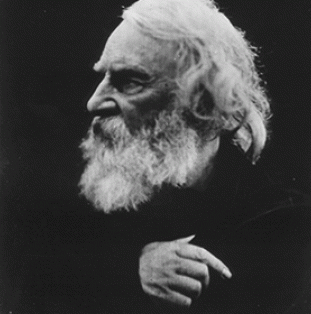
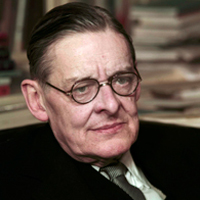

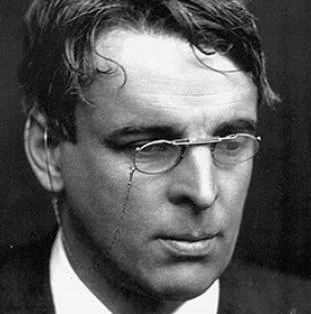


 MADHU MALTI