SONGS AND RHYMES ABOUT
MOTHER’S DAY
Here is a collection of the words for some Mother’s Day songs and rhymes that can be used for Preschool, PreK and Kindergarten children.
Tune: Frere Jacques
I love Mommy, I love Mommy,
Yes I do, yes I do
All I want to say
Is “Happy Mother’s Day”
I love you, I love you!
Tune: Up on the Housetop
I love my mommy, yessiree!
She is very good to me!
She makes me dinner and yummy treats,
That’s my mom and she’s real neat!
Oh, oh, oh, who wouldn’t know,
Oh, oh, oh, who wouldn’t know,
I love my mommy and she loves me,
That’s the way it’s supposed to be!
Tune: Six Little Ducks
Five little mommies I once knew,
Nice ones, pretty ones, cool ones, too,
And the one in the middle that belongs to me…
I love her and she loves me!
Down to the supermarket we would go,
Wibble – wobble, wibble – wobble, to and fro,
And the one in the middle that belongs to me,
I love her and she loves me!
Tune: Twinkle, twinkle little star
Sometimes, Mom says, “Don’t do this,”
Sometimes, Mom says, “Don’t do that,”
She still loves me, yes, that I know.
Why? Because she tells me so.
Sometimes, Mom says, “Let’s do this!”
Sometimes, Mom says, “Kiss, kiss, kiss!”
Tune: Mary had a little lamb
Mommy takes good care of me,
Care of me, care of me,
Mommy takes good care of me,
Because she loves me so.
Tune: London Bridge
Mommy, it’s your special day,
And it’s time for me to say –
I’m glad for all the things you do.
Thank you, Mommy, I love you!
Sung to: Oscar Meyer song
Oh, my mother has a special name.
It s M-O-M-M-Y!
My mother has a special name.
It s M-O-M-M-Y!
Oh, I love to hug her every day.
And when I kiss her, I will say,
Mommy, mommy, I love you –
I L-O-V-E Y-O-U!
Tune: Frere Jacques
We love mothers.
We love mothers.
Yes we do; yes we do.
Mothers are for hugging
Mothers are for kissing
We love you; yes, we do.
Activity page
Tune: This Old Man
Mother’s Day,
Mother’s Day,
Is a very special day.
Here’s a great big hug
And lots of kisses too.
Each one says that I love you!
Tune: You are my Sunshine
I love you mommy
My sweetie mommy,
You make me happy
When I am sad.
I want to tell you
How much I love you!
When I’m with you
I am so glad!
Tune: Bingo
I love her and she loves me,
And Mommy is her name-o,
M-O-M-M-Y
M-O-M-M-Y
M-O-M-M-Y
And Mommy is her name-o!
Five flower baskets sitting on the floor.
One will go to _____’s mom, then there will be four.
Four flower baskets, pretty as can be.
One will go to _____ ‘s mom, then there will be three.
Three flower baskets with flowers red and blue.
One will go to ______’s mom, then there will be two.
Two flower baskets, bright as the sun.
One will go to ______’s mom, then there will be one.
One flower basket, where’s it going to go?
To my very own mommy, who is the nicest one I know.
Tune:Bye Bye Birdie
I love you Mommy, oh yes I do
I love you Mommy, and it is true,
When you’re not with me, I’m blue –
Oh Mommy, I love you!
Tune: The More we Get Together
I really love my Mommy, my Mommy, my Mommy,
I really love my Mommy, I love her so much.
She feeds me and dresses me, she hugs me and kisses me –
I really love my Mommy, I love her so much!
Tune: Happy Birthday
Happy Mother’s Day to you.
Happy Mother’s Day to you.
Happy Mother’s Day, dear Mommy,
Happy Mother’s Day to you
Tune: Mary Had a Little Lamb
Mommy, Mommy, I love you.
Yes, I do. I love you.
For all the nice things that you do,
Mommy, I love you.
Tune: Yankee Doodle
I picked some flowers for my mom,
To make a nice bouquet,
I’ll give her a hug and a great big smile
And say Happy Mother’s Day!
Tune: Frere Jacques
My Mom’s special, my Mom’s special,
Special to me, special to me,
I love my Mommy, Mommy loves me, too,
Lucky me, lucky me.
Tune: Jingle Bells
Mother’s Day, Mother’s Day,
Happy Mother’s Day!
Here’s a gift I’ll give to you, on this Mother’s Day-ay
I’ll clean my room, I’ll make my bed,
I’ll put my toys away.
I’ll do all this just for you, on this Mother’s Day.
My Mother On An Evening In Late Summer : Mark Strand : : Mother Poems : :
My Mother on an Evening in Late Summer
by Mark Strand
1
When the moon appears
and a few wind-stricken barns stand out
in the low-domed hills
and shine with a light
that is veiled and dust-filled
and that floats upon the fields,
my mother, with her hair in a bun,
her face in shadow, and the smoke
from her cigarette coiling close
to the faint yellow sheen of her dress,
stands near the house
and watches the seepage of late light
down through the sedges,
the last gray islands of cloud
taken from view, and the wind
ruffling the moon’s ash-colored coat
on the black bay.
2
Soon the house, with its shades drawn closed, will send
small carpets of lampglow
into the haze and the bay
will begin its loud heaving
and the pines, frayed finials
climbing the hill, will seem to graze
the dim cinders of heaven.
And my mother will stare into the starlanes,
the endless tunnels of nothing,
and as she gazes,
under the hour’s spell,
she will think how we yield each night
to the soundless storms of decay
that tear at the folding flesh,
and she will not know
why she is here
or what she is prisoner of
if not the conditions of love that brought her to this.
3
My mother will go indoors
and the fields, the bare stones
will drift in peace, small creatures —
the mouse and the swift — will sleep
at opposite ends of the house.
Only the cricket will be up,
repeating its one shrill note
to the rotten boards of the porch,
to the rusted screens, to the air, to the rimless dark,
to the sea that keeps to itself.
Why should my mother awake?
The earth is not yet a garden
about to be turned. The stars
are not yet bells that ring
at night for the lost.
It is much too late.
ભાવાનુવાદ અર્થ નિર્દેશ આસ્વાદ કાવ્યાર્થ વિચાર સંકલન વિ જયરાજ : : ” મારી માતા , ઉનાળાની આખરે એક સાંજે ” :
“જ્યારે ચંદ્ર નીકળે , અને થોડીએક ખળીના છાપરાં , ડુંગરાળ ચંદરવાના પટ્ટમાં પ્રકાશિત ચમકારા સાથે , આહત પહોંચાડતા પવનને સહેતા ઊભા હોય અને ધૂળ- ભરીને ઢાંકપિછોડો પાથર્યા – ગોચર ઉપર (ચાંદની) તરવરે
મારી માતા, અંધારિયા ઓળાં પડ્યા , અંબોડે સજ્યા- ચહેરા સાથે , એની સિગારેટની ધૂમ્રસેરના સંવૃત વીંટાળાથી ચમકને ઝાંખા પાડતા પીળા પોશાકમાં ઘરની પાસે ઊભી છે ; અને દર્ભઘાસમાં થઈને નીચે તરફ પડતું છેલ્લુંવેલ્લું અજવાળું , દૃષ્ટિ ફેરવતા છેલ્લા ભૂખરા વાદળ – દ્વીપના ટૂકડા, અને પવનથી કાળી અટારી પરે અસ્ત વ્યસ્ત થતા ચંદ્રના તોરણ તાકીને જોયા કરે છે.”
માર્ક સ્ટ્રેન્ડ ની ” મારી માતા, ઉનાળાની આખરે એક સાંજે ” : ચડિયાતી ઊર્મિલ કાવ્ય કૃતિ છે : : કરુણ અંગત ભાવનાત્મક વિવશતા અને મર્મભેદક લાગણીઓ ખૂબજ ઉત્કટતા થી વ્યક્ત થઈ છે. સમૃદ્ધ રૂપકો ની ભરમાર , કેટલીક પંક્તિઓમાં વિહ્વળતા વ્યક્ત થતા બારીકાઈથી ભીતિસંચાર પણ પ્રવેશ કરે , અને એ કાવ્યાત્મક ઉદ્દેશને ઉપકારક રહ્યો છે ; તો ક્યાંક આત્યોક્તિરૂપ બની જાય નહીં તે પણ અટકાવી શકે છે.
“થોડા જ વખતમાં , સંકેલ્યા છાયાપટ રહિત ઘર , લેમ્પના ઝગઝગતા પ્રકાશના પાથરણાં મોકલીને ધુમ્મસાધિન કરશે , અને દરિયો એના મોટા મોજા ઉછાળીને તેમજ પાઈન વૃક્ષો , શિખાન્ત કળશી ( સ્તુપિકા ) ઊંચા થઈને , ઊંચે ડુંગર ઉપર ચઢતા ચઢતા ચરતા હોય એમ દેખાશે , સળગીને ઠંડા પડેલા સ્વર્ગના અંગારા ,અને મારી માતા એકીટસે જોઈ રહેશે સિતારાની હારો વચ્ચેની ગલીઓને , શૂન્યતાના અનંત ભૂગર્ભી રસ્તાઓને ; અને એ તે ઘડીએ મંત્રમુગ્ધ થઈ સ્તબ્ધતાથી જો’તી રહેશે , એને થશે ચૂપકીદીથી ધસી આવતી દૂર્બળતા જે માનવદેહ ને સળ પરેથી વાળીને અસ્વસ્થ કરે , પ્રત્યેક રાત્રે તેમાં કેવી રીતે શું ઉપજ્યું ! અને એ જાણશે નહીં એ અહીં શા કાજે છે , અથવા શું એ બંદીવાન છે , જો એને અહીં લાવવામાં પ્રણયાસક્તિની સ્વરૂપાસર નહીં હોય.”
Pending : More on its way : visit this post again later on to enjoy the appreciation of the poem : : ભાવાનુવાદ અર્થ નિર્દેશ આસ્વાદ કાવ્યાર્થ વિચાર વિ જયરાજ : : જુલાઈ ૧૮ , ૨૦૨૨ : : પૂણે ઈન્ડિયા:
The courage that my mother had : Edna St. Vincent Millay : : Mother Poems : :
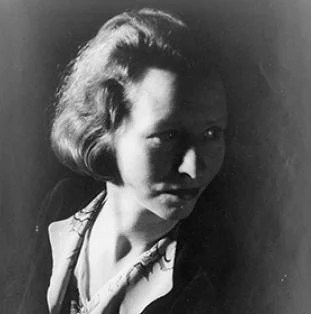

By Edna St. Vincent Millay ( 1892 – 1950 )
This Poem has found a place in the hearts of millions of readers, bringing the mix of courage, motherhood, and death.“The Courage That My Mother Had” is included in the collection Mine the Harvest, which was published in 1949. The poems in this volume were written in Millay’s later years, and they tend to reflect the mature sensibility of a woman who has experienced her share of hardship. Millay expresses her admiration for her mother’s courage and yearns for her fortitude. Material possessions can be handed down but such virtues as ‘courage’ cannot. It is understood that she lacks courage up on the lose of her mother’s death. Granite as a metaphor emphasizes on her mother’s strength as well as to hint at her mother’s death. Granite implies “endurance” or “steadfastness,” and it also refers to the rock commonly used in the cemetery. she yearns for her mother’s courage as one’s internal attributes more valuable than one’s ornamental possessions. Line 11 repeats the simile which compares the mother’s courage to a rock while as her daughter , she lacks it and is requiring more as never before. Millay’s elegy to her mother is a somber commemoration. The sense of loss is all the greater as stated in first two stanzas, say, She is “granite in a granite hill”. New Englanders are reputed to possess Granite quarry and proverbial nature and strength of “steadfast”. Granite, is strong and long-lasting—it can resist harsh forces for centuries but represents cold lifelessness and in this poem, death of speaker’s very brave mother. ” The courage went with her and is with her still.” The gold brooch left for her is feminine and suggests weak attributes she inherited from her mother, which cannot protect her in her present state of losing her mother. “The Courage That My Mother Had” has a song-like quality when it is read aloud.
The courage that my mother had : By Edna St. Vincent Millay ( 1892 – 1950 ) : :
ભાવાનુવાદ અર્થ નિર્દેશ આસ્વાદ કાવ્યાર્થ વિચાર સંકલન વિ જયરાજ : : : : ” જે હિંમત મારી ‘મા’ધરાવતી હતી” : : કવયિત્રી ‘એડના સેન્ટ વિન્સેન્ટ મિલે’ : : : :
” જે હિંમત મારી ‘મા’ ધરાવતી હતી તે એની સાથે ચાલી ગઈ , અને હજી પણ તેની સાથે જ છે : ન્યુ ઈન્ગ્લેન્ડમાં આવેલી પથરીલી ખાણમાંથી ખોદી કાઢેલ; હવે , ગ્રેનાઈટગિરિ પર ગ્રેનાઈટ રૂપે ખોડેલી છે.
સોનાનું બ્રોચ મારી ‘મા’ પહેરતી તેને , મારા પહેરવા સારું , વારસામાં મૂકતી ગઈ છે ; મારી પાસે આનાથી વધુ કિંમતી વસ્તુ કોઈ નથી : તોયે , તે કંઈક એવું છે જેના વગર ચાલે. ( જેને પહેર્યા વગર હું મૂકી રાખું ) .
ઓહ ! તેના બદલે જો મારા માટે એ મૂકી ગઈ હોત એ પેલી ( ખાસ ) ચીજ જે કબરમાં સાથે લઈ ગઈ ! :– એક ખડક જેવી તે હિંમત , જેની એને વધારે જરૂર હતી નહીં , અને મને જોઈતી હતી.”
The Mother : Gwendolyn Brooks : : Mother Poems : :

the mother
Gwendolyn Brooks – 1917-2000
Abortions will not let you forget.
You remember the children you got that you did not get,
The damp small pulps with a little or with no hair,
The singers and workers that never handled the air.
You will never neglect or beat
Them, or silence or buy with a sweet.
You will never wind up the sucking-thumb
Or scuttle off ghosts that come.
You will never leave them, controlling your luscious sigh,
Return for a snack of them, with gobbling mother-eye.
I have heard in the voices of the wind the voices of my dim killed children.
I have contracted. I have eased
My dim dears at the breasts they could never suck.
I have said, Sweets, if I sinned, if I seized
Your luck
And your lives from your unfinished reach,
If I stole your births and your names,
Your straight baby tears and your games,
Your stilted or lovely loves, your tumults, your marriages, aches, and your deaths,
If I poisoned the beginnings of your breaths,
Believe that even in my deliberateness I was not deliberate.
Though why should I whine,
Whine that the crime was other than mine?—
Since anyhow you are dead.
Or rather, or instead,
You were never made.
But that too, I am afraid,
Is faulty: oh, what shall I say, how is the truth to be said?
You were born, you had body, you died.
It is just that you never giggled or planned or cried.
Believe me, I loved you all.
Believe me, I knew you, though faintly, and I loved, I loved you
All.
From A Street in Bronzeville by Gwendolyn Brooks, published by Harper & Brothers. © 1945 by Gwendolyn Brooks.
Gwendolyn Brooks is a Afro-American poet, who has been one of the renowned poets since the mid century. Brooks was born in Topeka, Kans. She grew up in the Chicago community called Bronzeville. “The Mother” Poem is about Anti Abortion , mother’s sense of guilt for undergoing an abortion , herself.Like a typical ‘female’, this speaker is very sensitive, loving, tender-hearted and sentimental. The mother describes so perfectly the appearance of the fetus just aborted. She could be the natural, universal and symbolic mother or the perfect form of the females. Sentiments in the first two stanzas , Confusion in the third stanza and images of death and feelings in the end part are realistic and most striking features of the poem. : : : : The poem was first published in 1945 , 30 years before Roe V. Wade guaranteed women the right to safe abortion in the United States. : : : : The Supreme Court’s decision in Dobbs v. Jackson Women’s Health Organization, which ended the constitutional right to an abortion have many ramifications and implications. By
The New York Times Report
Updated July 15, 2022, 5:35 P.M. ET reading updates : : Abortion in US is now banned in at least nine states ( ARK; Ala; Miss; Mo; Okla; SD ; Texas; Wis; WVa; ) as laws restricting the procedure take effect following the Supreme Court’s decision to overturn Roe v. Wade.
More bans are expected in the coming weeks, and in many states the fight over abortion access is taking place in courtrooms, where advocates have sued to block enforcement of laws that restrict the procedures. : : : :
” The Mother ” Anti- abortion Poem By Gwendolyn Brooks : : Information Appreciation and poem Analysis Presented by V Jayaraj Pune India July 16 , 2022 : : : : : :
ભાવાનુવાદ અર્થ નિર્દેશ આસ્વાદ કાવ્યાર્થ વિચાર સંકલન વિ જયરાજ : : : : pending visit this post again later on to enjoy the appreciation of the poem : : : :
My Mother At Sixty – Six : Kamala Das : : Mother Poems : :

Born onMarch 1934
Punnayurkulam ( then Malabar coast) Thissur distt. Kerala , India : Died of Pneumonia on May 31 , 2009 At Pune Maharastra , India (aged 75 ) : Her liberal treatment of female sexuality, marked her as an iconoclast in popular culture of her generation. Father : VM Nair,M. Editor of Mathurbhumi daily : Mother, Nalapat Balamani Amma, a renowned Malayali poet.At 15, she married bank officer Madhav Das. Directness of her voice in her poems led to comparisons with Marguerite Duras and Sylvia Plath.Her Autobiography, ‘My Story’had admittedly fictional elements ; she said about honesty : keeping nothing to oneself is doing like striptease. She advocated for raising woman’s voice in a male dominated society.She longs for the hot noon in Malabar because she associates it with the wild men, wild thoughts and wild love.Her poetry are an acute obsession with love and the use of confession( like Anne Sexton/ Robert Lowell ) freedom , love, protection.She is known for her rebellious nature against the conventions.Kamala Surayya , At Age 65, converted to Islam in 1999 and announced that she planned to marry her Muslim lover, but she never remarried. she launched a national political party, Lok Seva Party, aiming at the promotion of secularism and providing asylum to orphaned mothers.1984: Shortlisted for the Nobel Prize in Literature.Notable Works: “A Doll for the Child Prostitute” “Alphabet of Lust” “Balyakalasmaranakal” “My Story” “Padmavati the Harlot” “Thanuppu” “The Descendants” “The Old Playhouse, and Other Poems” : Many literary awards, including the Asian World Prize for Literature in 1985.
My Mother at Sixty-Six :
Driving from my parent’s
home to Cochin last Friday
morning, I saw my mother,
beside me,
doze, open mouthed, her face
ashen like that
of a corpse and realised with pain
that she was as old as she
looked but soon
put that thought away, and
looked out at Young
Trees sprinting, the merry children spilling
out of their homes, but after the airport’s
security check, standing a few yards
away, I looked again at her, wan, pale
as a late winter’s moon and felt that old
familiar ache, my childhood’s fear,
but all I said was, see you soon, Amma,
all I did was smile and smile and
smile……
Kamala Das ( 1934 – 2009 ) is an Indian writer in English. She wrote lots of confessional poems expressing the experiences of being an Indian woman. The poet wrote in Malayalam , her mother tongue – under the pen-name, Madhavikutty. Some of her popular works include ‘An Introduction,’ ‘A Hot Noon in Malabar,’ and ‘My Grandmother’s House’. She writes in a matter-of-fact tone and her honesty and boldness in expressing her thoughts often keep her critics and readers spell-bound. Kamala Das has written poems, short stories, memoirs, and novels as well. “The Times” had called her the Mother of Modern English Indian Poetry. : : : : : : Indian poetess Kamala Das ‘s Mother Poem ” My Mother At Sixty Six ” , discribes her mother’s aging, her feelings and concern for ‘Ma’ and fear of losing her by an approaching death. The poem is representative of every daughter’s common feelings . She tries to divert from this feeling by noticing the energetic and young world around the way she sees from driving car wherein her Sixty Six years old mother with ashen face looking like corpse was half asleep , with open mouth besides her.The poet records the contrasting nature of the scenery: there are young trees and playing children. They represent the freshness and youth of what is on earth, while her mother looks old and frail. In the final part of the poem, the poet expresses her fear of losing her mother to death. Even as a young girl, the poet had similar feelings and fears. She was so afraid of losing her mother that she would never leave her for a moment. The poet, even as a grown-up daughter, experiences a similar emotion. However, she can hide her fears. She smiles at her mother. She compares her mother to a winter moon. This highlights that her mother is in the last stage of her life, much like winter. In her childhood , she would never leave her mother. The poem ends with her bidding goodbye words of love : ” see you soon , Amma .” She hides her feelings of fearfulness of losing her mother. Her last gesture in ” smile ” repeatedly said indicative of helplessness with an affectionate sympathy and love alongside the confessions in her expressions of inner thoughts are found as honest and sincere expression which can impress the reader. : ” My Mother At Sixty Six ” By Kamala Das : Mother Poem : : Information Appreciation and poem Analysis Presented by V Jayaraj Pune India July 15 , 2022 : : : : : : : : : : ; : : : :
ભાવાનુવાદ અર્થ નિર્દેશ આસ્વાદ કાવ્યાર્થ વિચાર સંકલન વિ જયરાજ : : : : ” મારી ‘મા’ , ૬૬ મા વર્ષે : : : : કમલા દાસ:
“ગયા શુક્રવારની સવારે , મારા માતાપિતાના ઘરથી કોચિન જવા મોટરકારમાં જતી હતી ત્યારે , બાજુમાં અર્ધ નિદ્રામાં , ખુલ્લા મોંએ બેઠેલી મારી ‘મા’ ના ફીક્કી રાખ જેવા તેના શબવત ચહેરા પર દૃષ્ટિ રાખતા , વેદનાની ટીસ અનુભવી : વયોવૃદ્ધ લાગી , પણ તરત જ એ વિચાર માંડી વાળ્યો અને બહાર જોયાં કર્યું : પુરપાટ ઝડપે પસાર થઈ રહેલા તાજામાજા વૃક્ષો , ઘરબહાર નીકળી પડેલા ખુશખુશાલ પોરિયાઓ ; પરંતુ , એરપોર્ટ ની સિક્યોરિટી તપાસ થયા બાદ , ઊભા ઊભા ‘મા’ ના (ચહેરા) તરફ ફરીથી જોયું : મ્લાન , પાછલા શિયાળાના સફેદ પૂણી સમાન ચંદ્ર જેવો નિસ્તેજ , અને થવા લાગ્યો સુપરિચિત જૂની ‘આરતનો સણકો’ , મારા બાળપણની ‘ધાસ્તી’ , હું જે કંઈ બોલી તે : ‘જલ્દી થી મળીશું , અમ્મા’ ; જે કંઈ કર્યું તે : ‘સ્મિત , સ્મિત અને સ્મિત .. . .. .”
” મારી ‘મા’ ૬૬ મા વર્ષે : : કમલા દાસની જેને ‘ આત્મ સ્વીકૃતિ ‘ ( confectionist poems ) કાવ્ય રચના કહેવાય છે તે સ્વગતોક્તિ રૂપે સંવેદનસભર કહ્યાં શબ્દોમાં વ્યક્ત થઈ છે. ‘એકાંતની સભા'( જ.દો. ) પણ હોય શકે છે , જ્યાં જનાન્તિકે ( સુ.જો. ) વાતચીત માંડી હોય તેને નાટ્ય શાસ્ત્ર અનુસારની ‘aside’ device પ્રયોજી કહેવાય જેના દ્વારા , કવિતાના / નાટ્યકૃતિના પાત્રોને પોતાના અંતસ્થ સ્તરેથી આંદોલિત થતા રહેતા વિચારોનું સંપ્રેષણ ( transferance of inner thoughts ) વ્યક્ત કરવામાં સહાય મળી હોય છે , નાટ્યલેખકની યોજના અંતર્ગત , અથવા કવિશ્રીની મૌલિકતા અભિગત . અહીં કમલા દાસ aside device ને soliloquy ( સોલિલકવી : ‘સ્વગતોક્તિ’ ) સાથે પ્રયોજી છે જેને અંતર્ગત , inner thought બહાર આવી છતું થાય છે ;ટૂંકી વાત ધારી અસર છોડી જાય છે અને સ્પષ્ટતા સાથેના લાંબા વાર્તાલાપના monologue ની જરૂર રહેતી નથી . ગુજરાતી સાહિત્યમાં , જગદીશ જોષી અને સુરેશ જોશી ના લખાણ , અને અન્ય સર્જકો ની કલમે રચાયેલી ‘ આત્મલક્ષી કાવ્ય રચનાઓમાં આ devices થી આપણે વાકેફ છીએ. : — pending visit this post again later on to enjoy the appreciation of the poem.. .
Mother , Summer , I : Philips Larkin : : Mother Poems : :

Occupation: Poet, librarian, novelist, jazz critic
Mother, Summer, I
My mother, who hates thunder storms,
Holds up each summer day and shakes
It out suspiciously, lest swarms
Of grape-dark clouds are lurking there;
But when the August weather breaks
And rains begin, and brittle frost
Sharpens the bird-abandoned air,
Her worried summer look is lost,
And I her son, though summer-born
And summer-loving, none the less
Am easier when the leaves are gone
Too often summer days appear
Emblems of perfect happiness
I can’t confront: I must await
A time less bold, less rich, less clear:
An autumn more appropriate.
Philips Larkin ( 1922 – 1985 ) was a devoted son and, after his father’s death, he would frequently visit, and stay with, his mother at her house in Loughborough during the Christmas and Easter holidays (he had a day job as a librarian at the University of Hull ).
Larkin’s Little Mother Poem written in August 1953 : ” Mother , Summer , I ” is a little personal poem , both tender and sad. The 1 St Stanza is about Mother , and the 2 nd Stanza is about Son . Parents influence their children , who are susceptible to the ideas of their parents. Both the Stanzas are very similar so also reflects how similar the son and Mom have the viewe of fantasy. The theme of the poem is that fantasies are transients. We find here that summer connects son and Mom. It becomes revealing in1 st Stanza that thunderstorms come unexpectedly and suddenly . That is the reason mother doesn’t like summer , and prefers Autumn because she knows what to expect in autumn when there’s no surprises.
In the poem, Larkin uses the transition between the seasons summer and autumn as a metaphor for the fluctuating emotions felt within a mother-son relationship. Through the extended metaphor of changing seasons, the poet sharpens into the faults and negativity ingrained into a relationship between a mother and her child. Imagery surrounding warm weather in the first stanza is immediately eclipsed by a bleak autumn setting in the lines ‘brittle frost/ Sharpens the bird-abandoned air’in order to state about the rainy weather which calms and pacifies the negative feelings like suspicions which mom and son sense in summer. The sharpening capacity of an Autumn clarify mom’s mindset with imagery of ” bird abandoned air ” which is also a metaphor for the lack of Worries in mom’s mind. Larkin concludes that he has inherited his mother’s suspicious attitude towards perfect weather and , prefers the arrival of autumn as a time when expectations are lowered. Mom’s foibles are treated as affectionate sympathy which is good to follow by us too , as a rule when both mom and son have similarities in their distaste and distrust of perfection. Why should anyone in family raise difference of Opinions in the matter of seasons and perfection especially are not apparently plausible !?
Poems Done on a Late Night Car : Carl Sandburg : : Mother Poems : :
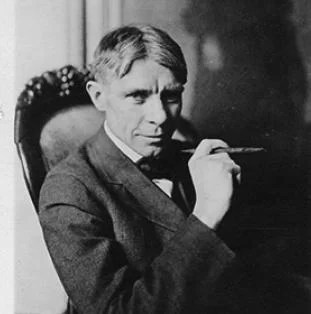

I. CHICKENS
I am The Great White Way of the city:
When you ask what is my desire, I answer:
“Girls fresh as country wild flowers,
With young faces tired of the cows and barns,
Eager in their eyes as the dawn to find my mysteries,
Slender supple girls with shapely legs,
Lure in the arch of their little shoulders
And wisdom from the prairies to cry only softly at the ashes of my mysteries.”
II. USED UP
Lines based on certain regrets that come with rumination
upon the painted faces of women on North Clark Street, Chicago
Roses,
Red roses,
Crushed
In the rain and wind
Like mouths of women
Beaten by the fists of
Men using them.
O little roses
And broken leaves
And petal wisps:
You that so flung your crimson
To the sun
Only yesterday.
III. HOME
Here is a thing my heart wishes the world had more of:
I heard it in the air of one night when I listened
To a mother singing softly to a child restless and angry in the darkness.
Carl Sandburg – 1878-1967
The third poem in this short sequence is only three lines long, and is titled simply ‘Home’. It features ‘a mother singing softly to a child restless and angry in the darkness’, and the way this sound suggests the idea of home to the poet.
Carl Sandburg, ‘Poems Done on a Late Night Car’. : : Three Short ‘Mother Poems’ : : Information Appreciation and poem Analysis Presented by V Jayaraj Pune India July 13 , 2022 : : : : : : : : : : : : : : : : : : : : ::
Mother : Lola Ridge : : Mother Poems : :

Mother
Your love was like moonlight
turning harsh things to beauty,
so that little wry souls
reflecting each other obliquely
as in cracked mirrors . . .
beheld in your luminous spirit
their own reflection,
transfigured as in a shining stream,
and loved you for what they are not.
You are less an image in my mind
than a luster
I see you in gleams
pale as star-light on a gray wall . . .
evanescent as the reflection of a white swan
shimmering in broken water.
Lola Ridge : ( 1873 – 1941 ) : : A modernist Poet from the first half of the twentieth century, who helped to move English verse away from roses and iambic pentameters and into fresh new territory. Her short poem, ‘Mother’, gives a snapshot of her distinctive style. She was a pioneer of what some call ‘Anarchist poetry’, though her style might be co-opted more broadly under the banner of modernism. This short poem “Mother” talks about mother’s love without getting into a sentimentality.
Emma Ridge was Rose Emily Ridge’s mother , her father ‘s name was Joseph Henry. They lived in Dublin Ireland , but she joined her mother in Newzealand who remarried and settled there. She married with a gold mine manager in her age of 21. Ridge studied painting and wrote her first few poems at Academie Julienne at Trinity College , Sydney , New South Wales. She moved to San Francisco , in 1907 after her mother Emma’s death , and renamed as Lola Ridge. Her first published work appeared in Overland Monthly. Ridge moved to Greenwich Village in New York City and supported her writing career in New York by writing advertising copy and popular fiction work. In April of 1909, she published a poem in the journal, Mother Earth, which was considered quite radical at the time.She took on work as an artist’ model, factory worker, as well as a number of other professions and married David Law with whom she lived in apparent deliberate poverty. In 1918, after years of working in obscurity, the New Republic published a sequence of her poems titled, “The Ghetto.” These works were instantly popular and she soon published The Ghetto and Other Poems. Her next book was published in 1920, titled Sun-up, and Other Poems. It was followed by time spent editing magazines and the collections, Red Flag, Firehead, and Dance of Fire. The latter was her last work, published in 1935. In the final years of her life, she won Poetry’s Guarantor’s prize and the Shelley Memorial Award. Lola Ridge died in May of 1941 in her home in Brooklyn, she was sixty-seven. : : : : : : : : : : : Mother’s love being like moonlight : : “turning harsh things to beauty“ reflect how many people feel about this love . In this discription she doesn’t convey any sentimentality. The moon like the mirrors reflects an ethereal beauty to the children’s image of themselves, not simply returning but magnifying it. The image of the ‘shining stream’ returns in the second stanza as ‘broken water’, suggesting perhaps that Ridge’s memory of her mother from her childhood is impressionistic and unclear.
ભાવાનુવાદ અર્થ નિર્દેશ આસ્વાદ કાવ્યાર્થ વિચાર સંકલન વિ જયરાજ : :
“મા ” : : ( સ્ટાન્ઝા ૧ ) ” તારો પ્રેમ ચાંદનીની જેમ રૂક્ષ વસ્તુઓમાં રમણીયતા મઢી આપે , જેથી અલ્પ કદના જીવ , દર્પણોની ચિરાડોમાં તરડાઈને એક બાજુએ ઢળકી પડીને , એકબીજાને વક્રતાથી અભિવ્યક્ત કરતા રહીને .. . તારા તિમિરહર પ્રકાશિત ભાવમાં , નજરે જોયેલી તેમની પોતાની છબી , પ્રવાહિત ઝગારાં માં ગૌરવાન્વિત કરે છે.” : : : : : : : ( સ્ટાન્ઝા ૨ ) ” તેજ-પ્રભાવી ચમક કરતા , તારી છબી આછી પાતળી છે મારી સ્મૃતિમાં. હું તને ક્ષણિક અજવાળાં વેરતી આછું આછું ઝબૂકતી સેરોના રૂપમાં જોઉં છું જેવી ભૂખરી દિવાલ પર ‘ફિક્કી સફેદ’ જેવી ‘સ્ટાર લાઇટ’ હોય .. . ધીમેથી વિલીન થતો આછો ઝબકારો જે રીતે સફેદ રાજહંસનું પાણીમાં ચમકારાવેર્યું પ્રતિબિંબ ધીમે ધીમે ભાંગી પડે. ” : : : :
માતાનો પ્રેમ ‘ચંદ્રપ્રકાશ’ જેવો હોય છે રૂક્ષ વસ્તુઓને સુંદર રમણીયતામાં ફેરવી આપીને પ્રસ્તુત કરે ; જેની અનુભૂતિ કેટલાં લોકો વ્યક્ત કરે છે !? તેની અભિવ્યક્તિ રિજની આ કવિતામાં સમજવા જેવી છે. અનેકાનેક કવિઓએ માતૃપ્રેમને દમામભેર પ્રસ્તુત કર્યો છે , તેમની ઘણી પ્રસિદ્ધ કવિતાઓમાં જેમાં જોવા મળતી sentimentality : ભાવનાત્મકતા રિજની આ modernist poem માં દૂર રાખી છે. બાળકની સુંદરતા વધારી આપતી છબીઓ બતાવે એવા ચિત્રકાવ્યો ઘણાં છે. ચંદ્ર દ્વારા , સૂર્ય કિરણો ની તેજસ્વિતા ધરતી પરે પરત થાય એટલું જ નહીં તેનું સૌંદર્યલક્ષી અલૌકિક ચાંદની તરીકેનું વિસ્તૃતિકરણ પણ થાય. પ્રવાહિત ઝગારાંમાં ગૌરવાન્વિત થતી જોયેલી પોતાની છબી કવિતાના દ્વિતીય સ્ટાન્ઝા માં “shimmering in broken water ” રૂપે પાછી ફરે છે. જે સૂચવે છે કે બાળપણની રિજની માતાની ‘સ્મૃતિ છબી’ ઝાઝી વિગત આપી શકતી નથી અને અસ્પષ્ટ , ધૂંધળી છે: : અરીસાઓ સમા ચંદ્ર ની જેમ ફક્ત માતા જ પોતાના બાળકોની અપાર્થિવ , અલૌકિક સુકુમાર છબી પ્રસ્તુત કરે . પુત્રી તરીકે કવિ રિજ ની ‘ગમગીની છવાઇ જિંદગી’ ગ્લાનિ ઉત્પન્ન કરે પણ તેથી ‘કાવ્યતત્ત્વ’ ને ‘ઓપઓછપ’ નડતી નથી. માતા બાળકની છબીમાં enhancement કરી આપે તે પણ એની પોતાની ભાવનાના ‘સ્વત્ત્વ તાત્પર્ય’ ની કિંમતે. માતાનું જીવન નિઃસ્વાર્થ હોય છે. : : લોલા રિજ ” મધર ” ભાવાનુવાદ અર્થ નિર્દેશ આસ્વાદ કાવ્યાર્થ વિચાર સંકલન વિ જયરાજ : : : : : : : : : જુલાઈ ૧૨ , ૨૦૨૨ : : અષાઢ સુદ તેરસ : : પૂણે ઈન્ડિયા : :
Mother o’ Mine : Rudyard Kipling : : Mother Poems : :


Mother o’ Mine
Rudyard Kipling – 1865-1936
If I were hanged on the highest hill,
Mother o’ mine, O mother o’ mine!
I know whose love would follow me still,
Mother o’ mine, O mother o’ mine!
If I were drowned in the deepest sea,
Mother o’ mine, O mother o’ mine!
I know whose tears would come down to me,
Mother o’ mine, O mother o’ mine!
If I were damned of body and soul,
I know whose prayers would make me whole,
Mother o’ mine, O mother o’ mine!
‘”Mother o’ Mine’” was published as a dedication to Kipling’s 1892 book The Light That Failed. This song – like short poem is Kipling’s Tribute To His Mother. Because of the less-than-happy ending of that book, Kipling probably added ‘Mother o’ Mine’ to the beginning of the book as a way of saying sorry to his mother for having displeased her; she’d have preferred the happy ending.
“ઓ મારી મા ” : રુડયારડ કિપલિંગ : :
“[જો મને સૌથી ઊંચી ટેકરી પર ફાંસી આપવામાં આવે , ઓ મારી મા , ઓ , મારી મા ! હું જાણું છું કે કો’નો પ્રેમ , ત્યારે પણ મને મળશે , ઓ મારી મા, ઓ , મારી મા !
જો હું સૌથી ઊંડા દરિયામાં ડૂબી ગયો હોઉં, ઓ મારી મા , ઓ , મારી મા ! હું જાણું છું કે કોણ મારા માટે ( શોકના ) આંસુઓ સારશે, ઓ મારી મા, ઓ , મારી મા !
જો (દુનિયા)મારા શાપિત ગણેલા શરીરને ધિકકારે અને આત્માને તિરસ્કૃત કરે , હું જાણું છું કે મારી મુક્તિ માટે કોણ પ્રાર્થનાઓ કરશે, ઓ મારી મા, ઓ , મારી મા !]”
માતા તેના બાળકો માટે બિનશરતી પ્રેમ પ્રદાન કરે છે. બાળકો માટે એકમાત્ર તેમની માતાનો પ્રેમ અનિવાર્ય છે , જે દરેકેદરેક પરિસ્થિતિમાં અને તમામ સંજોગોમાં નિશ્ર્ચિતપણે મળતો રહેવાનો હોય છે. ફક્ત માતાનો પ્રેમ સદાય સંતાનો માટે અનુસરે. કિપલિંગની કવિતાનો આ થીમ છે. તમામ પંક્તિઓ આ તાલસૂર ની આસપાસ કેન્દ્રિત થયેલી છે. કવિનું બાળમાનસ સંભવિત દૃશ્યોનું વર્ણન કરી રહ્યું છે જ્યાં માતા હંમેશા તેમને પ્રેમ કરશે.
ભલે ગમે તે હોય, તમારી માતા હંમેશાં તમારી જ રહેશે. કવિતાના દૃષ્ટિવિષયક કલ્પન લાક્ષણિક દૃશ્ય ચિત્રને રીડર સમક્ષ હાજર કરે છે ; જે જોતા રહી જવાય છે, અને કવિતા તેની ધારી અસર અંકિત કરી આપીને તુરંતજ સમાપ્ત થઈ જાય છે. કોઈ settings નથી , conflicts નથી. કોઈ ઘટનાક્રમના વર્ણન નથી. માત્ર માતૃપ્રેમ સ્થાયી થતો ઉભરી રહે છે જેને માટે આલંકારિક ભાષાની જરુર વર્તાઈ નથી , કે શબ્દોને ઊંચે ચઢવા દીધાં નથી.
કોઈ અપરાધ અથવા દુષ્કર્મ માટે ફાંસી આપવામાં આવે તો પણ તેની માતા તેને પ્રેમ કરશે; કોઈ દુ:ખદ કમનસીબી આવી હોય જેમ કે ડૂબી જવાથી, તેની માતા તેના માટે શોક કરશે , તેના મૃત્યુ પર આંસુઓ સારશે;ભયંકર પાપ કર્યું કે તેની સાથે નાલેશી કરે અને આત્માને તિરસ્કૃત કરે , તો તે જાણે છે કે તેની માતા તેની મુક્તિ માટે પ્રાર્થના કરશે. damnable, damned , damnation : : ધિક્કારપૂર્ણ રીતે નાલેશી મળે , અતિ દુષ્ટ માણસ તરીકે પ્રસ્તુત કરનાર દુનિયાની રીત ચિરંતન સમય સુધી નરકવાસમાં ધકેલી દેવામાં હંમેશા તત્પર રહે. તેના બચાવમાં તેની માતા તેની સ્વસ્થતા માટે , તેની મુક્તિ માટે પ્રાર્થનાઓ કરશે; જે સુનિશ્ચિત છે.
Twentieth-century writer, James Joyce, observed: “‘Whatever else is unsure in this stinking dunghill of a world a mother’s love is not.’” For Kipling, certainly, it appears to have been true. Same Rudyard Kipling wrote : “God could not be everywhere , And , therefore , He made mothers”: :
Mother o’ mine : Tribute To Mother , By Rudyard Kipling : : Information Appreciation and poem Analysis Presented by V Jayaraj Pune India July 11 , 2022 : : “ઓ મારી મા ! રુડયારડ કિપલિંગ : : મધર્સ ડે કાવ્યગીત : : ભાવાનુવાદ અર્થ નિર્દેશ આસ્વાદ કાવ્યાર્થ વિચાર સંકલન વિ જયરાજ : : જુલાઈ ૧૧ , ૨૦૨૨ : : અષાઢ સુદ બારસ : : જયા પાર્વતી વ્રત પ્રારંભ : : પૂણે ઈન્ડિયા : : : : : : : : : : : ::
Rock Me to Sleep , Mother : Elizabeth Akers Allen : : Mother Poems : :

Rock Me to Sleep
BY ELIZABETH AKERS ALLEN
Backward, turn backward, O Time, in your flight,
Make me a child again just for tonight!
Mother, come back from the echoless shore,
Take me again to your heart as of yore;
Kiss from my forehead the furrows of care,
Smooth the few silver threads out of my hair;
Over my slumbers your loving watch keep;—
Rock me to sleep, mother, – rock me to sleep!
Backward, flow backward, O tide of the years!
I am so weary of toil and of tears,—
Toil without recompense, tears all in vain,—
Take them, and give me my childhood again!
I have grown weary of dust and decay,—
Weary of flinging my soul-wealth away;
Weary of sowing for others to reap;—
Rock me to sleep, mother – rock me to sleep!
Tired of the hollow, the base, the untrue,
Mother, O mother, my heart calls for you!
Many a summer the grass has grown green,
Blossomed and faded, our faces between:
Yet, with strong yearning and passionate pain,
Long I tonight for your presence again.
Come from the silence so long and so deep;—
Rock me to sleep, mother, – rock me to sleep!
Over my heart, in the days that are flown,
No love like mother-love ever has shone;
No other worship abides and endures,—
Faithful, unselfish, and patient like yours:
None like a mother can charm away pain
From the sick soul and the world-weary brain.
Slumber’s soft calms o’er my heavy lids creep;—
Rock me to sleep, mother, – rock me to sleep!
Come, let your brown hair, just lighted with gold,
Fall on your shoulders again as of old;
Let it drop over my forehead tonight,
Shading my faint eyes away from the light;
For with its sunny-edged shadows once more
Haply will throng the sweet visions of yore;
Lovingly, softly, its bright billows sweep;—
Rock me to sleep, mother, – rock me to sleep!
Mother, dear mother, the years have been long
Since I last listened your lullaby song:
Sing, then, and unto my soul it shall seem
Womanhood’s years have been only a dream.
Clasped to your heart in a loving embrace,
With your light lashes just sweeping my face,
Never hereafter to wake or to weep;—
Rock me to sleep, mother, – rock me to sleep!
[ Source: She Wields a Pen: American Women Poets of the Nineteenth Century (University of Iowa Press, 1997) ]
Elizabeth Akers Allen (1832 – 1911) was a journalist and poet. She used the pen name of Florence Percy for much of her early work, some of which was published when she was only 12. Born in Maine, Elizabeth lived in Italy, Virginia, New England , Washington, D.C., and New Jersey before ultimately settling in New York. She worked as an editor, European correspondent, government clerk, and Civil War nurse in the course of her career, publishing eight books of poetry and one novel along the way.
in 1851, Elizabeth Akers had married Marshall Taylor, but he abandoned her and their daughter. They got divorced in 1857, and three years later she married Paul Akers, a sculptor from Maine whom she had met in Rome, but he died of tuberculosis a year later. Their only child died shortly afterwards. It was not an easy thing to digest. In such a mental state, paralyzed by excruciating pain, she wrote the verses of ‘Rock Me to Sleep’.Rock Me to Sleep’ was written during the poet’s European sojourn. The poem was first published in the Saturday Evening Post of Philadelphia, Pennsylvania, in 1859. The poem became very popular during the American Civil War. ‘Rock Me to Sleep’ is a sentimental poem written by the American poet Elizabeth Akers Allen. This poem centers on a depressed speaker who is missing her mother badly and upholds the importance of her mother in her life. She describes the role of the poet’s mother and how the poet misses her in the days of dire need. Mother takes care of her child , body , appearances , state of needs: saving from dangers and diseases , eating bathing , clothings , bathing , crying, sleeping and smiling. She rocks us to sleep with singing lullabye and removes all possible harshness of the world that may try causing losses in our life. Rocking consists of two movements back and forth . Poet hereakes requests twice for rocking to sleep.This poem consists of six eight-line stanzas. Each stanza of the poem contains a regular rhyme scheme and it is AABBCCDD. Each stanza has four rhyming couplet with conventional metrical scheme. Each line contains ten syllables. After grouping the syllables in five units, one has to give stress to the second syllable on each foot. In this way, one can find that the overall poem is composed in iambic pentameter. However, there are no metrical variations in this poem, giving it a lullabye-like scheme. Elizabeth Akers Allen’s :” Rock Me To Sleep , Mother ! ” : Information Appreciation and poem Analysis Presented by V Jayaraj Pune India July 10 , 2022 : : : : : : : : : : : : : : :
રોક મી ટુ સ્લીપ , મધર : મને નિદ્રાપ્રદ હીંચકે ઝુલાવ , મા : : એલિઝાબેથ આકેર્સ એલન : : : : ભાવાનુવાદ અર્થ નિર્દેશ આસ્વાદ કાવ્યાર્થ વિચાર સંકલન વિ જયરાજ : : ૬ સ્ટાન્ઝા : ( ૧ ) : : ” પાછો ફર , અરે ! સમય , તારી શીઘ્ર ગતિ પરથી , પાછો વળ , માત્ર આજની રાત માટે મને ફરીને બાળક બનાવ. સાદ વગરના કાંઠેથી પાછી ફર મા. જૂના જમાનામાં મને છાતી સરસી રાખતી હતી ત્યાં ફરીથી લઈ જા ; મારા કપાળે પડ્યાં સળ પરેથી ચૂમી લે. મારા વાળમાંથી નીકળી પડતા થોડા સફેદ લાંબા વાળને સરખા કરી આપજે ; મને આવતી પ્રગાઢ નિદ્રા પર તારી પ્રેમાળ નજર રાખજે :- મને નિદ્રાપ્રદ હીંચકે ઝુલાવ , મા – નિંદરના હીંચકે ઝુલાવ ! “
સને ૧૮૫૯ માં લખાયેલ આ કવિતા :” Rock me to sleep” : વર્તમાન સમયમાં પણ , હજુ સુધી તેના મહત્વ સાથે જાણીતી રહી છે : ખાસ કરીને ઉઘાડ આપતી પંક્તિઓ “Backward, turn backward, O Time, in your flight,
Make me a child again just for tonight!” : : અહીં પ્રથમ પંક્તિમાં , personification of time : સમય સંબંધિત ‘વ્યક્તિકરણ’ વ્યક્ત થયું છે. સમયની આગળ ને આગળ લઈ જતી શીઘ્ર ગતિ પરથી ભૂતકાળમાં પાછા વળવાની વિનંતી કરી છે જેથી માત્ર એક ( આજની ) રાત માટે ફરીને બાળક બનવાની આશા શક્યતઃ પૂર્ણ થાય. કવિમન અવસન્ન , ભારેખમ , ચિંતીત અને પીડાથી ઘેરાયેલું છે : માતાનો સધિયારો શોધી રહ્યું છે જે વર્તમાન સમયમાં હાજર નથી ; પણ તેને સંબોધી રહ્યાનું વલણ ‘apostrophe’ કાવ્યાત્મક રીતે ઉપકારક બનીને રીડરને ઓતપ્રોત કરશે. ” furrows of care ” માં રહેલો “metaphor” અને “silver thread“માં રહેલી “metonymy” ( મિટોનિમિ ) : અજહલ્લક્ષણા ( નામને ઠેકાણે લક્ષણ/વિશેષણ : : કપાળે “સળ” અને “સફેદ વાળતંતુ” દ્વારા સૂચવે છે કે કાવ્યપઠન કરનાર કવિ પાકટ વયે પહોંચ્યા છે ( speaker is old ) : : મા , કેશગુચ્છમાંથી સિલ્વર થ્રેડ કાઢી નાખશે અને વાળ સરખા કરી દેશે : mother will smooth the hair : એટલે કે દુઃખી અવસન્ન બાળમનને શાતા વળે અને એજ રીતે દીકરીના જીવ ને નડયા વિઘ્નો અને જીવનના અંતરાયો દૂર કરનાર માતાનું ગુણગાન સમજાવ્યું છે. Her kiss can relieve her tensions. She urges her mother to rock her to sleep. In this way, the poet wants to be an infant and relive those days. Only , her mother can help her daughter in such grave conditions of pain. ” echoless shore ” કાંઠેથી ફરીથી બોલાવનાર “સાદવિહીનતા”માં અભિપ્રેત “મૃત્યુ” : “death” સૂચવ્યું છે. She will be relieved if her mother takes her close to heart like she did when the speaker/ poet was a child. કવિ મનની મૃત્યુ સુધીની વેદના છે , આ.
( ૨ ) : : “પાછળ , વહો પાછળ , અરે ! ઓ દીર્ઘકાળ જુવાળ ! હું વૈતરું કરીને અને આંસુઓ લોઈને થાકી ગઈ છું,- (બદલા વિનાના પરિશ્રમથી: વળતર વગરના વૈતરા કરીને: ઈનામ રહિત સખત મહેનત- મજુરી કરીને ) , વ્યર્થ આંસુઓ લોહ્યા – તે બધું લઈ જાવ અને મને મારું બાળપણ પાછું આપજો ! હું ધૂળાવશેષ અને અવનતિ મળ્યા કરવાથી કંટાળી ગઈ છુ – મારા આત્માનું ઐશ્વર્ય અને જીવનસત્ત્વ લગાતાર ઘસાતું રહેવાથી હતોત્સાહિત થાઉં છું ; અન્યોને માટે , વાવું અને લણણી પણ કરી આપું તેનાથી પરેશાન છું :- મને નિદ્રાપ્રદ હીંચકે ઝુલાવ મા – નિંદરના હીંચકે ઝુલાવ ! “ :— “Backward flow backward” : થી શરૂં થતી દ્વિતીય સ્ટાન્ઝાની રટ પહેલીવારના જેવી જ છે : પણ અહીં કરેલ વિનંતી દીર્ઘકાળ જુવાળ ને સંબોધી છે અને તે પણ સમય સાથે કદમ મિલાવતું રૂપક : metaphor છે. કવિ વૈતરા કરીને કંટાળી ગઈ છે , જેને લીધે સંઘર્ષમાંથી પરિણામિક મહાકષ્ટ , તથાકથિત માનસિક વ્યથા , સંતાપ અને પીડા ના ઉદગાર વ્યક્ત કરતા નીપજેલ હતોત્સાહ સ્પષ્ટ કરે છે ; જેના ચક્રાવામાંથી ભાવનાત્મક રીતે અને આધ્યાત્મિક રીતે મુક્તિ મેળવવા માતાના સધિયારા , પ્રેમ અને સહાય માટે અપેક્ષા રાખે છે. અંતમાં કહે છે : ” Weary of sowing for others to reap;—
Rock me to sleep, mother – rock me to sleep” : : વાવ્યું , લણ્યુ , ફળ અન્યને મળ્યું ; પોતાના વિશે વિશેષ કંઈ વિચાર્યું જ નહીં. માટે હવે , અત્યારે ગેરહાજર માતા વર્તમાન માં પાછી ફરે તો કહેવાય કે : ” નિદ્રાપ્રદ હીંચકે ઝુલાવ મા – નિંદરના હીંચકે ઝુલાવ ! ” ૩ , ૪ , ૫ , ૬ : : : : ( ૩ ) : :” દંભાચાર , અધમાચાર , અને જૂઠેજૂઠ થી કંટાળી ગઈ છું , મા , હે મા , મારા અંતઃકરણને તારી જરુર છે ! લીલાંછમ ઘાસથી ઢંકાયેલી કેટલીયે ગ્રીષ્મ ઋતુઓ વીતી , જોતજોતામાં (ફૂલો) ખીલ્યાં અને કરમાયા : તેમ છતાં , પ્રબળ ઝંખના અને પીડાના ઊભરા સાથે , આજ રાતે , ફરીને તારી મોજૂદગી વિદ્યમાન રહે તેને માટે આતુર છું. ચૂપકીદીના સુદીર્ઘ સ્થળ અને કાળના ઊંડાણમાંથી આવ :– મને નિદ્રાપ્રદ હીંચકે ઝુલાવ મા – નિંદરના હીંચકે ઝુલાવ !”
ત્રીજા સ્ટાન્ઝા માં , પોતાના જીવનમાં સામનો કરેલો તે દંભાચાર , અધમાચાર અને જૂઠેજૂઠ થી ભરેલા વર્તાવ થતાં રહ્યાં હશે જેનાથી કંટાળી ગઈ હોવાના પરિણામે પ્રબળ ઝંખના અને પીડા ના ઊભરા સાથે માતાનો સધિયારો કેટલો આવશ્યક થઈ પડ્યો છે તેનો તલસાટ વ્યક્ત કરે છે. માતા વિનાની કેટલીયે ગ્રીષ્મ ઋતુઓ અને ત્યારબાદ આવતા ઉનાળાના અનેક વર્ષો આવ્યાંગયા જે સૂચવે છે લીલાંછમ ઘાસ અને ફુલો ના રૂપક : metaphor દ્વારા , જે ઊગ્યાં, છવાતાં રહ્યાં ને સુકાતા રહ્યાં ; ખીલ્યાં ને કરમાતા રહ્યાં : જેમાં જીવનની નશ્વરતા અને ક્ષણભંગુરતા સ્પષ્ટ કરી છે. આ બધી વાસ્તવિકતા સાથે એકમાત્ર સત્ય એ છે કે માતાનો સધિયારો અને પ્રેમ હરહંમેશ દરેક સ્થળેકાળે આવશ્યક છે જેની પીડા ભર્યા જીવનમાં મૃત્યુ અફર હોય માત્ર ઉત્કંઠિત ઝંખના રાખવાની છે. માતા પુત્રીને પ્રેમ કરે છે ; પુત્રી માતાને પ્રેમ કરે છે , હરહંમેશ અને વારંવાર કહે છે :– “મને નિદ્રાપ્રદ હીંચકે ઝુલાવ મા – નિંદર ના હીંચકે ઝુલાવ ! ” :–
( ૪ ) : : Pending visit this post again later on to enjoy the appreciation of the poem.
 MADHU MALTI