Summer Breeze : Seals & Crofts : : Summer Time Classic : :

Photo : Michael Ochs Archives / Getty images
Seals and Crofts

https://youtu.be/GQQbjpomexo

See the curtains hangin’ in the window
In the evenin’ on a Friday night
A little light a-shinin’ through the window
Lets me know everything’s alright

Summer breeze, makes me feel fine
Blowing through the jasmine in my mind
Summer breeze, makes me feel fine
Blowing through the jasmine in my mind

See the paper layin’ on the sidewalk
A little music from the house next door
So I walked on up to the doorstep
Through the screen and across the floor

Summer breeze, makes me feel fine
Blowing through the jasmine in my mind
Summer breeze, makes me feel fine
Blowing through the jasmine in my mind

Sweet days of summer, the jasmine’s in bloom
July is dressed up and playing her tune
And I come home from a hard day’s work
And you’re waiting there, not a care in the world

See the smile a-waitin’ in the kitchen
Food cookin’ and the plates for two
Feel the arms that reach out to hold me
In the evening when the day is through

Summer breeze, makes me feel fine
Blowing through the jasmine in my mind
Summer breeze, makes me feel fine
Blowing through the jasmine in my mind — Jimmy Seals & Darrell Crofts ( Lyrics/ Song Writers ) GENRE : Pop Folk Song : : #18 in the Rolling stones Top 55 Best Summer Songs Of All Time List Writes the Comments : : ” One of the signature soft-rock groups of the early Seventies, Jim Seals and Dash Crofts were childhood buddies from Texas who moved to California and had a huge hit with this sublimely mellow, CSN&Y-style ode to lazy, June-time domesticity. “Summer Breeze” rolled through the jasmine of America’s mind in 1972, with an innocent melody played on a Toy Piano : :Long before it was a Disney princess, jasmine was a kind of flower that blooms in the summer. Also good for tea, Seals & Crofts use it to bring about feelings of contentment and harmony in this song, which is a feel-good classic about enjoying some simple pleasures in life with the ones you love : : :: Seals and Crofts are Bahai Musicians. Baha’is believe that we have free will, to turn towards God or reject him. They also believe that true religion is compatible with reason, and the Baha’i teachings encourage people to use their intellect in understanding the world (and religion).Bahá’ís accept the divine nature of the missions of Abraham, Moses, Zoroaster, the Buddha, Jesus and the Prophet Muhammad. They believe each one was a further stage in the revelation of God. Other prophets and Manifestations are also accepted. The Bahai symbol of the nine-pointed star reflects the importance of the number for the Faith. The number nine is the highest single digit number symbolizes completement and the fulfillment of the expectations of all prior religions. The star is often portrayed on Bahai temples, which are nine-sided. Jim Seals spoke about the meaning of the song, which surprisingly is actually not about a summer breeze at all! Shocker! Trying to create an image in the mind of listeners, the band explained how they focused on the summer blooming flower, Jasmine. The flower was used as a metaphor to show “contentment and harmony.” In 1975 , Seals additionally spoke about the song to Melody Maker saying that it was, “A very simple song about a man coming home from work and hearing the dog barking and things like that, and to a lot of people, the song’s about looking for security. Our meaning goes further than that, for prison can be the prison of self and a person can become insecure and paranoid if he doesn’t have a direction in his personal life.” : : : : To many, Seals & Croft’s version of the song was referred as one of the most relentlessly appealing harmony rock anthems of the 1970s. It was the perfect combo on the radio, giving them the break they needed to become successful. : : The Song has been covered by multiple artists, including The Isley Brothers, Type O Negative, Three Tenors, and more : : CLICK HERE to enjoy the Video Song by Seals and Crofts : It’s remastered 2012 Version with Outdoors depicted in Videography : : : : : :: https://youtu.be/MsW8rXPcnM0 🌹🌹🌹🌹🌹🌹🌹🌹🌹🌹🌹🌹🌹🌹🌹🌹🌹🌹🌹🌹🌹🌹 Summer Breeze : : Seals and Crofts : : Song information Appreciation etc Presented by V Jayaraj Pune India : : May 18 , 2022 : : : : : :

One Day Like This : Guy Edward John Garvey / Craig Lee Potter / Richard Barry Jupp / Mark Potter / Peter James Turner : Elbow ( British Band ) : ( Live at British Summer Time In Hyde Park , London On July 8 , 2017 ) : : Summer Time Classic : :

One Day Like This: A Song In My 💖 HEART
One Day Like This : A Song Framed On My Wall
Waiting For The ” One Day Like This”
Elbow foto by Losario Lopez On flickr : Also A Hit Song in Spanish
Elbow, Het Patronaat Haarlem 09-11-2008

https://youtu.be/hqsF_-rTdhI

Lyrics : : :: ☀️☀️☀️☀️☀️☀️☀️☀️☀️☀️☀️☀️☀️☀️
Drinking in the morning sun
Blinking in the morning sun
Shaking off a heavy one
Heavy like a loaded gun
What made me behave that way?
Using words I never say
I can only think it must be love
Oh, anyway, it’s looking like a beautiful day
Someone tell me how I feel
In silly wrong, but vivid right
Oh, kiss me like a final meal
Yeah, kiss me like we die tonight
‘Cause holy cow, I love your eyes
And only now I see the light
Yeah, lying with you half awake
Oh, anyway, it’s looking like a beautiful day
When my face is chamois creased
If you think I wink, I did
Laugh politely at repeats
Yeah, kiss me when my lips are thin
‘Cause holy cow, I love your eyes
And only now I see the light
Yeah, lying with you half awake
Stumbling over what to say
Well, anyway, it’s looking like a beautiful day
So, throw those curtains wide
One Day Like This a year would see me right
Throw those curtains wide
One Day Like This a year would see me right
Throw those curtains wide
One Day Like This a year would see me right, for life
Throw those curtains wide
One Day Like This a year would see me right for life
‘Cause holy cow, I love your eyes
(One Day Like This a year would see me right) And only now I see the light
(Throw those curtains wide) ‘Cause holy cow, I love your eyes
(One Day Like This a year would see me right) And only now I see the light
Throw those curtains wide
One Day Like This a year would see me right
Throw those curtains wide
One Day Like This a year would see me right
Throw those curtains wide
One Day Like This a year would see me right (For life)
Throw those curtains wide
One Day Like This a year would see me right (For life)
Throw those curtains wide
One Day Like This a year would see me right (For life)
Throw those curtains wide
One Day Like Thiss a year would see me right (For life)
Throw those curtains wide
One Day Like This a year would see me right
So, throw those curtains wide
One Day Like This a year would see me right
Throw those curtains wide
One Day Like This a year would see me right
Singers(Main) Guy Garvey And Elbow Band
Songwriters: Guy Edward John Garvey / Craig Lee Potter / Richard Barry Jupp / Mark Potter / Peter James Turner : : : : : : : ::Guy Edward John Garvey (born 6 March 1974) is an English musician, singer, songwriter and BBC Radio 6 Music presenter. He is the lead singer and lyricist of the rock band Elbow : : : : Father Proof reader , Mother , Police officer & Psychologist , 5 Older Sisters , Younger brother , Marcus Garvey , an Actor : : : : “One Day Like This” is the second single from English band Elbow’s fourth studio album, The Seldom Seen Kid, released on 2 June 2008.On 21 May 2009, the song won the Ivor Novello Award for Best Song Musically and Lyrically. In October 2011, NME placed it at number 41 on its list of “150 Best Tracks of the Past 15 Years”. After featuring in the 2012 Summer Olympics Closing Ceremony, the single peaked at No. 4 in the United Kingdom—a new high for the song and for the band.The chorus line lyric “one day like this a year would see me right” had been in singer Guy Garvey’s diary for several years before the song was written. It changed the Band’s Fortune.The song was inspired by Garvey’s girlfriend, author Emma Jane Unsworth. “Yes, it was about falling in love with Emma Jane,” he told The Sun. “Even though the lyrics are quite bleak. I’m saying ‘I’m not having a good time most of the time but today is great.'” “From east to west the sun illuminates the rich variety of our lives. We can never own it, but it is ours as a gift forever – a wealth greater than any possession. We dance into the fading light leaving shadows in the footsteps of generations, as we leave our own prints for others to follow; but even as night falls, the darkness will always give way to light – to a new day – one day like this.” (A written quote from Sarah Brightman who released an upbeat cover as the second single from her 2013 Album Dreamcatcher.) : : CLICK HERE: Color & Joy https://youtu.be/8IPRu42wscA She explained that the optimistic tone of the song, and its theme surrounding the idea of life experiences, is what drew her to making a cover. “One small experience can last you a lifetime,” she told us. “And nowadays, we’re very greedy for experience. I just thought about the deeper meaning of the song, what it was trying to say.” Elbow kept listeners waiting for two minutes and 6 seconds before reaching the uplifting chorus for the first time. They then repeated it five more times throughout the remainder of the song.But what actually inspired the lyrics, Garvey explained in a different interview, “It was about falling in love or actually the morning after falling in love specifically, you know, pondering it. It’s semi-autobiographical, I was single for a bit then I got together with the girl I was with for almost a decade, Emma Jane Unsworth and that’s when I wrote the song which I came up with in the bath. In the flat I was living in at the time, the shower was broken so I had a bath every day. I used to sit there and put my Dictaphone on record and sing in the bath. Even though the lyrics are quite bleak, I’m saying ‘I’m not having a good time most of the time but today is great.’”When you manage to describe a tiny moment of happiness, in such a way that everyone visualizes, feels and identifies with it, adding up an unforgettable melody, you create a musical anthem. That is Elbow One Day Like This.Elbowrooms is a series of live recordings of Elbow’s songs, selected by their fans during the period where British people had to stay home, amid the COVID-19.

| “Mirrorball” version sounds specially nice thanks to the strings added to the song.

| Elbowrooms sessions, that happened every Friday for 9 weeks, were finally released to streaming platforms. One day, after being with someone and waking up with them for the first time, he felt a moment of complete happiness, one of those that fill you. With a dose of important talent and his teenage phrase, he described that feeling in “One Day Like This”. Listen to the song and visualize that little moment of your lives of absolute joy. Like Guy Garvey from Elbow preaches, save it for when you need it. At the closing ceremony of the London 2012 Olympics. What a thrill! : CLICK HERE : : : : . . . . Waiting for a good quality Video to get available on You Tube , etc. For Link : : : : 🌹🌹🌹🌹🌹🌹🌹🌹🌹🌹🌹🌹🌹🌹🌹🌹🌹🌹🌹🌹🌹🌹🌹🌹🌹🌹🌹🌹🌹🌹. The best parts of One Day Like This
1. The song begins with the melody that anticipates something great : : : : : : : : : : : : :2. From the second verse “Someone tell me how I feel” to the end of the chorus. Magic. : : : : : : : : : : : : : : : : : : : : : : : : : : : : : : : :3. The choir sings along with Garvey until the end of the song. It’s an anthem. : : : : : : : The album version is longer than the official video one. Here it is.
1. The album gives us 6 minutes and 34 seconds of complete enjoyment. : : : : : : : : : 2. The strings melody after “Someone tell me how I feel”, pierces the heart. : : : : : : : : 3. The third verse is poetry. “Love me when my lips are thin (love me when I’m old)”. :::Elbow One Day Like This with the BBC Concert Orchestra and choir Chantage, is the most famous live version of the song. : : Feel great Today & Be Confident : : Pending for expansion : Visit this post again later on to enjoy the full appreciation of the Song : : : : Song information , Appreciation etc. Presented by V Jayaraj Pune India : : May 17 , 2022 : ::::

Now Sleeps The Crimson Petal : Alfred Lord Tennyson : Mychael Danna : Vanity Fair (2004) Movie : (1) : : Soprano Laura Wright : Royal Philharmonic Orchestra : Paul Mealor : (2) : : Poem Reading Video : Tom O’Bedlam : (3) : : Horn & String Orchestra (2012) For Tenor : James Gilchrist , Barbara Hannigan and Jasper Wall (Amsterdam Synfonietta) : Benjamin Britten Version : (4) : : Amanda Rae Matson, Soprano & Julia Wilcox , Piano (2012) : Roger Quilter Version : (5) : : Summer Time Classic : :

https://youtu.be/DhTpgKBaBcA

Now Sleeps the Crimson Petal
BY ALFRED, LORD TENNYSON
Now sleeps the crimson petal, now the white;
Nor waves the cypress in the palace walk;
Nor winks the gold fin in the porphyry font:
The fire-fly wakens: waken thou with me.

Now droops the milkwhite peacock like a ghost,
And like a ghost she glimmers on to me.

Now lies the Earth all Danaë to the stars,
And all thy heart lies open unto me.

Now slides the silent meteor on, and leaves
A shining furrow, as thy thoughts in me.

Now folds the lily all her sweetness up,
And slips into the bosom of the lake:
So fold thyself, my dearest, thou, and slip
Into my bosom and be lost in me. — Alfred Lord Tennyson : : :: 🌹 🌹🌹🌹🌹🌹 Vocals : Soprano Laura Wright With Royal Philharmonic Orchestra : Composition : Paul Mealor : : Click hereinafter to enjoy the Video Song by visiting You Tube : : 🌹🌹 https://youtu.be/W7iT98vFsAI 🌹🌹🌹🌹🌹🌹🌹🌹🌹🌹🌹🌹🌹🌹🌹🌹🌹🌹🌹🌹🌹🌹 ” Now sleeps the crimson petal “ A 14 lines Poem / Sonnet Variant : By Alfred Lord Tennyson ( 1809 – 1892 ) : : Read by Tom O’Bedlam in a You Tube Video::CLICK HERE https://youtu.be/U1UREyvZGbg 🌹🌹🌹🌹🌹🌹🌹🌹🌹🌹🌹🌹🌹🌹🌹🌹🌹🌹🌹🌹🌹🌹 Horn & String Orchestra (2012) For Tenor : James Gilchrist , Barbara Hannigan and Jasper Wall (Amsterdam Synfonietta) : By Composer Benjamin Britten : CLICK HERE:: https://youtu.be/-CqlIVGRLyU 🌹🌹🌹🌹🌹 🌹🌹🌹🌹🌹🌹🌹🌹🌹🌹🌹🌹🌹🌹🌹🌹🌹🌹:: Amanda Rae Matson, Soprano & Julia Wilcox Piano (2012) : : Composer : Roger Quilter. CLICK HERE to enjoy the Video : : ::https://youtu.be/U9dRpW5VLqA 🌹🌹🌹🌹🌹🌹🌹🌹🌹🌹🌹🌹🌹🌹🌹🌹🌹🌹:: Now sleeps the crimson petal : : By Alfred Lord Tennyson : : : : અર્થ નિર્દેશ આસ્વાદ કાવ્યાર્થ વિચાર વિ જયરાજ pending visit this post again later on to enjoy the appreciation of the Love Song Of The Summer Time Classic : ::: મે ૧૬ , ૨૦૨૨ : : વૈશાખ સુદ પૂર્ણિમા : : બુદ્ધ પૂર્ણિમા : : : :

BEAUTY AND PAIN OLD SUMMERHOUSE : Walter De La Mare : : Summer Time Classic : :

જળ પ્રપાત : શ્વૈત ફીણ ફીત ફોરાં: Tears Of Sounds !?

THE OLD SUMMERHOUSE

This blue-washed, old, thatched summerhouse —
Paint scaling, and fading from its walls —
How often from its hingeless door
I have watched — dead leaf, like the ghost of a mouse,
Rasping the worn brick floor —
The snows of the weir descending below,
And their thunderous waterfall.

Fall — fall: dark, garrulous rumour,
until I could listen no more.
Could listen no more — for beauty with sorrow
Is a burden hard to be borne:
The evening light on the foam, and the swans, there;
That music, remote, forlorn. 🌹🌹🌹🌹🌹🌹 — Walter de la Mare : British Writer : ( 1873 – 1956 ) : : short story writer , novelist and works for children : : remembered for his poem “The Listeners”, and for a highly acclaimed selection of subtle psychological horror stories, amongst them “Seaton’s Aunt” and “All Hallows” : In 1921, his novel “Memoirs of a Midget” won the James Tait Black Memorial Prize for fiction, and his post-war “Collected Stories for Children” won the 1947 Carnegie Medal for British children’s books : : : : : : : : BEAUTY AND PAIN: DE LA MARE’S OLD SUMMERHOUSE : અર્થ નિર્દેશ આસ્વાદ કાવ્યાર્થ વિચાર સંકલન વિ જયરાજ : : It is a Simple Poem. કાવ્ય માં , એકાંત ની ઉદાસી , પસાર થઈ રહેલા સમય અંતર્ગત વિશ્વમાં વ્યાપ્ત sadness : ઉદાસીનતા ના વિસ્તારે , દૂર ના ખૂણે , એકલા અટૂલા એકાંતમાં લઈ જાય છે. સમરહાઉસ બતાવ્યું છે – પ્રકાશિત અજવાળાં વેરતી ખુલ્લી જગ્યા સાથેનું જ્યાં , ઉનાળામાં સૂર્યની સીધી ગરમી અને ઝગઝગાટથી ( heat and glare of the Summery sun ) બચી ને , બહાર ખુલ્લી જગ્યામાં ( Sit Out માં ), બેસી શકાય છે. તેનો આછો વાદળી રંગનો પેઇન્ટ, જે લાંબા સમય પહેલા કર્યો હોય તેમ દિવાલો પરથી ઉખડી રહ્યો છે , ખરતા પોપડા સાથે. વર્ષો ના અંતરાલમાં ઘણો સમય વીતી ચૂક્યો છે. ” How often from its hingeless door
I have watched — dead leaf, like the ghost of a mouse,
Rasping the worn brick floor —
The snows of the weir descending below,
And their thunderous waterfall ” .. . આ સમરહાઉસ માં , એટલે કે ભૂતકાળના કોઈક વચગાળાના સમયમાં , જઈ પહોંચ્યા છે. ત્યાં એક ખુલ્લું પ્રવેશદ્વાર door-way છે : ત્યાંથી , નદી તરફ અને નદી પર બાંધેલા એક પ્રકારના બંધારા તરફ જવા માટેનો ઢાળ છે. બંધારા ઉપરથી જળ નો પ્રવાહ નદી ના રસ્તે વહેતો રહે છે , અને પાછળ સંગ્રહાય ને નાનું તળાવ જેવું pool બન્યું છે. કવિની ભૂતકાલિન સ્મૃતિમાં , દૃશ્ય જોવા મળે છે આજ રીતે , બંધારા પરના ‘સફેદ ફોરાં’ /”Snows” એકી ટસે જોયાં ની યાદ : ” Rasping the worn brick floor —
The snows of the weir descending below,
And their thunderous waterfall. ” પાણીના ધોધ ની પછડાટ અને તેનું “ફીત” : જળ પ્રપાત નું ઘન ગર્જન : વહેતી નદી ના પ્રવાહ માં બંધારા પરથી નીચે વહેતી નદીના જળ પ્રવાહમાં પડતા ડૂબતા પાણી નો અવાજ : આમ , શ્વેત ફીત ફોરાં ઉત્પન્ન કરતા જળ પ્રપાત ને જોયા , તેના શોરગુલ અવાજ સાંભળ્યા , તેના ચિત્રણ સાથે , કવિ ધીમેથી એક ગપાટો પણ વહેતો કરે છે : ” I have watched — dead leaf, like the ghost of a mouse,
Rasping the worn brick floor — ” .. . “ખરરર” અવાજ સાથે , સમરહાઉસની ફર્શ પરની ઘસાઈ ગયેલી જીર્ણ ઈંટો ઉપર એક સુક્કા પાંદડાં એ તીક્ષ્ણતાસમ અવાજ સાથે પડતું મૂક્યું “like the ghost of the mouse.” ઉંદરિયુ ભૂત : આભાસી છાયા દેખી અને તેનો અવાજ પણ સાંભળ્યો. This is ofcourse an error of observation : અવલોકન ભૂલ : ભૂત નહીં : તેનો આભાસ કાવ્ય રચના માં ઉતારવાનો પ્રયાસ કવિનો એક પ્રકારનો આનંદ ક્રમ હોતો હોય છે; જેમાં sense of passage of time ની સમજ પણ ઠીકઠીક વધી જાય. કવિતાનું ચેતના કેન્દ્ર , બંધારા પરથી નીચે પડતા જળ પ્રપાત ની આસપાસ જ રચવામાં આવ્યું છે. “Fall — fall, dark, garrulous rumour.” .. . પાણીમાં પડતા રહેતા પડતા પાણીનો ડૂબ્યા કરવાનો સતત થતો અવાજ : દેખાવે શ્વેત ફીત ફોરાં : પણ અહીં ડૂબતા પાણી નો આ અવાજ ” dark ” છે ; “garrulous rumour” : ‘બહુંબોલી ઉડતી વાત’ : ખળખળ અવાજ : જે એક પ્રકારનું નિરંતર કરાતું જાહેરિયુ છે : persistent noise : જે સતત સાંભળતા રહીને આગળ સમયાંતરે સંભળાતું બંધ થઈ જાય.”until I could listen no more.
Could listen no more — for beauty with sorrow
Is a burden hard to be borne:” : : ‘સુંદરતા દુઃખ સહિત આવે તો તેનો ભાર વહન કરવું આકરું વસમું દુઃસહ્ય અને મુશ્કેલ છે.’ કવિતાની ટેક છે , આ. કવિતા માં તેને વ્યક્ત કરીએ ત્યારે પણ સમજાતાં મૂકતાં – વાંચતા વંચાતા કવિતાની ક્ષમતા નો પરિચય થાય જે નિરંતર હ્રદયસ્થ રહે. Robert Frost writes : ” nothing gold can stay ” Beauty is like this SUMMERHOUSE :’જીર્ણ થનાર સમરહાઉસની જેમ ‘નિસ્તેજ થનાર સુંદરતા’ : rasping leaf , white water over the weir , its continuous sound , loud dark and with those : ” The evening light on the foam, and the swans, there;

“That music, remote, forlorn.” : : Music of the weir , melody from the past thinely heard across the SUMMERHOUSE : Music of the passing of time ! અને સાંજ ના લંબાતા જતા આછાં પ્રકાશિત પડછાયાં!! Perhaps the childhood or a happy time memories and feelings of growing older !!! And I say , the “tears of sounds” in the atmosphere of the SUMMERHOUSE seen and constructed by Walter de la Mare to sense the “time” , feel the “emotions” and “sorrows” depicted with the “beauty” : : : : BEAUTY AND PAIN: DE LA MARE’S OLD SUMMERHOUSE : : Poem analysis presented by V Jayaraj Pune India May 15 , 2022 : : અર્થ નિર્દેશ આસ્વાદ કાવ્યાર્થ વિચાર સંકલન વિ જયરાજ : : મે ૧૫ , ૨૦૨૨ : : વૈશાખ સુદ ચતુર્દશી : : પૂણે ઈન્ડિયા : : : : : : : : :

A Summer’s Night : Paul Laurence Dunbar : Summer Time Classic : :

” The fireflies come stagg’ring down the dark.”
” With lamps to light their wayward footsteps home,”
” Like sentinels ( સૈનિકો ) the pines stand in the park; .. “
“Soft as a maiden’s breath the wind that flies
Up from the perfumed bosom of the South.” Beautiful landscape with rice paddy field of Fairy bosom or woman breasts twin mountains, Nui Doi, Double Mountains the travel destination and famous place in Tam Son Town Quan Ba , Ha Giang: Vietnam.
” Soft as a maiden’s breath the wind that flies. Up from the perfumed bosom.. . ” : : An 18 year old young woman enjoying the lovely spring blossoms. The flowers were highly scented, like a bottle of perfume. She graduates from high school in a few weeks and she wanted her pictures taken at this botanical garden that is nearby.
” The skies are bright as are a maiden’s eyes,”
A Summer’s Night

The night is dewy as a maiden’s mouth,

” The night is dewy as a maiden’s mouth, The skies are bright as are maiden’s eyes,”

A Summer’s Night

The night is dewy as a maiden’s mouth,
The skies are bright as are a maiden’s eyes,
Soft as a maiden’s breath the wind that flies
Up from the perfumed bosom of the South.
Like sentinels, the pines stand in the park;
And hither hastening, like rakes that roam,
With lamps to light their wayward footsteps home,
The fireflies come stagg’ring down the dark. : : : : : : : : : : 🌹🌹🌹🌹🌹🌹🌹🌹🌹🌹🌹 — Paul Laurence Dunbar : : ( 1872 – 1906 ) Afro – American Poet was the son of African parents who had been slaves prior to the American Civil War. Dunbar also wrote novels and plays, as well as penning the lyrics for the 1903 musical comedy, In Dahomey – the first all-African-American musical that was ever produced on Broadway. But it was as a poet – one of the first internationally popular African-American poets – that Dunbar would achieve real fame and success. He died young, of tuberculosis, aged just 33. Dunbar also wrote poems in his local African-American dialect. ” A Summer’s Night ” The poem presented herein above is one of Dunbar’s most widely anthologised poems written in standard English. : : : : : : : : : : અર્થ નિર્દેશ આસ્વાદ કાવ્યાર્થ વિચાર સંકલન વિ જયરાજ : : : : આપણે જેને વર્ણસગાઈ / અનુપ્રાપ્ત પંક્તિઓ તરીકે જાણીયે છીએ તેની ઉત્કૃષ્ટ કવિતા ‘A Summer’s Night’ માં પણ સમજી શકાશે. It is Modern Alliterative loaded Poem : : : : ‘maiden’s mouth’, ‘sentinels … stand’, ‘pines … park’, ‘hither hastening’, ‘rakes that roam’, ‘lamps to light’, ‘down the dark : : : : આ બધા Alliterative Verses ના સ્તંભ છે. સાંજ વિશે નું શૃંગારિક વર્ણન ઉપરાંત હુંફ ઉમળકો વ્હાલ ના ઊભાર ઉમેરતી warm evening તાદૃશ કરતા સ્થળગત સંવેદના વાતાવરણમાં વિષયાનુરાગ નું હવા- અજવાળું ભરી આપે છે : : : : ‘a maiden’s mouth’ (moist, too, like fresh dew), ‘a maiden’s breath’ (soft and sensuous), ‘perfumed bosom’ (rising and falling with the intake of that soft breath), ‘rakes that roam’ (in search of these pliant maidens, one suspects), and that Tennysonian touch, ‘fireflies’ : : : : આ બધા કલ્પન sensuous અને erotic વિષયાનુરાગી અને પ્રેમોદ્દીપન પ્રેરક છે. A beautiful narrative poem of eroticism. ” A Summer’s Night ” : By Paul Laurence Dunbar : : Poem analysis presented by V Jayaraj Pune India : : May 14 , 2022 : : અર્થ નિર્દેશ આસ્વાદ કાવ્યાર્થ વિચાર વિ જયરાજ : : મે ૧૪ , ૨૦૨૨ : : વૈશાખ સુદ તેરસ નૃસિંહ જયંતી : : પૂણે ઈન્ડિયા :

“The fireflies come stagg’ring down the dark”Compare this Tennysonian touch with Tennisson’s ” now sleeps the crimson petal ” given herein below.
Now Sleeps the Crimson Petal
BY ALFRED, LORD TENNYSON
Now sleeps the crimson petal, now the white;
Nor waves the cypress in the palace walk;
Nor winks the gold fin in the porphyry font.
The firefly wakens; waken thou with me.

Now droops the milk-white peacock like a ghost,
And like a ghost she glimmers on to me.

Now lies the Earth all Danaë to the stars,
And all thy heart lies open unto me.

Now slides the silent meteor on, and leaves
A shining furrow, as thy thoughts in me.

Now folds the lily all her sweetness up,
And slips into the bosom of the lake.
So fold thyself, my dearest, thou, and slip
Into my bosom and be lost in me.
‘Now Sleeps the Crimson Petal’ by Alfred Lord Tennyson depicts an intimate encounter between a man and a woman through figurative language. In the first lines of ‘Now Sleeps the Crimson Petal,’ the speaker begins addressing a woman he loves. He describes the scene around her and how quiet it is.Tennyson focuses on the themes of desire and love but also touches on those of eternity and peace. speaker is appealing to a woman that he loves, confessing his true feelings to her. Everything is quiet in the scene that the man depicts. Everything and everyone is sleeping. The red flowers, signifying passion as well as the white signifying purity. This is a very clear use of symbolism.The “cypress” tree is not waving in the palace walk, it too has grown still. In the last line of this stanza, he addresses the woman, asking her to wake up. The fireflies waken; waken thou with me. (1 st Stanza) In 2 nd & 3 rd Stanzas , connection of natural imagery & desire of Man – woman union emerge. 4 th Stanza describes the experience metaphorically in man’s perspective. In 5 th) last Stanza , woman’s body is referred as White Lily.In the Last line , he asks her to fold herself in to him and allow herself to become “lost”. What a way the great poet narrates His true love for her lovely woman!


I love to see the Summer beaming forth : John Clare : Sonnet : (1) : : I love to see : Set to Music Video : tobydarling : (2) : : Summer Time Classic : :

John Clare, by William Hilton: 1820, National Portrait Gallery
“mare blobs” : Caltha palustris — the marsh marigold
Nymphaea alba, the white water lily native England : : There, where the water lilies bloom, the clumps of tall reeds rustle “like a wind shook wood” — that is, like trees shaken by the wind.
The moor hen — Gallinula chloropus — pushes out of her hiding place among the reeds.
Pair of male Moorhens, Gallinula chloropus, fighting in the Kennet and Avon Canal, Bradford-on-Avon
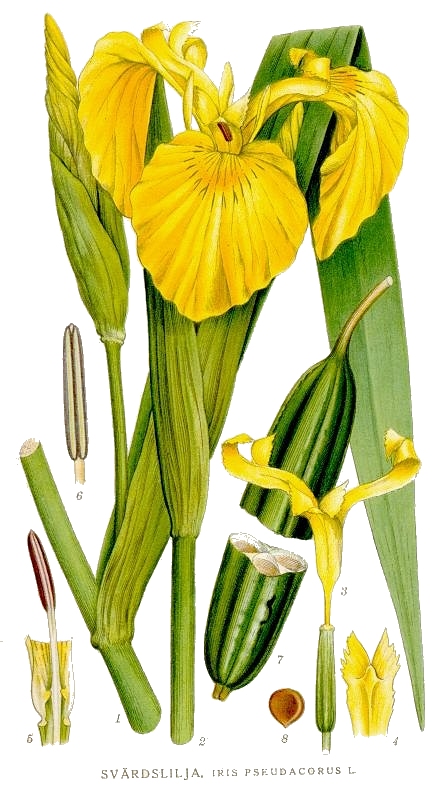
The nest the moor hen seeks is a “flag nest” that is, a nest made of the leaves of the common water flag, Iris pseudacorus: The yellow water flag is also known as the “gladden,” which accounts for the “Gladden Fields” the marshlands where Isildur was slain in Tolkien’s The Lord of the Rings, and where the “One Ring” was lost in the river.
“I like the willow leaning half way o’er” : : weeping willow tree ( નેતર : જેવા પ્રકારનું ઈંગ્લીશ વૃક્ષ ) in fall over the lakeside
“And white wool sack clouds sailing to the north”


“I love the hay grass when the flower heads swing”
Fleeing Butterfly from moment
Hunter Insect! at Sunset!!
And a Dragon Fly : an insect with its Happy Wings in display : ” To summer winds and insects happy wings

That sport about the meadow the bright day”

“And see bright beetles in the clear lake play”
Diving water beetle in the pond water
The Great diving Beetle – Dytiscus marginalis – under water hunting.
Diving beetle (Graphoderus cinereus) swimming under water. Little water beetle with black and orange head captured under water with bubbles around the head. Green background.
Group of Whirligig Beetles swimming on the water surface of a lake. Gyrinus spp. Gyrinidae family.
walking upside-down on the undersurface of a pool of water: : water scavenger beetle’s nonchalant ceiling crawl (family Hydrophilidae) : : In full control of its life and current situation, It skittered along the undersurface of the water as if in a parallel world, the kneeling : Says Dr. Gould in his phone recorded video in the forests’ ephemeral pools at the Watagan Mountains in New South Wales, Australia in 2015: Reported the document published after 6 years by New York Times ( 26.7.2021 )
Blue Clear Water : : water beetle is a generalized name for any beetle that is adapted to living in water at any point in its life cycle. Most water beetles can only live in fresh water, with a few marine. 2000 species worldwide: : Many water beetles carry an air bubble, called the elytra cavity, underneath their abdomens, which provides an air supply, and prevents water from getting into the spiracles. Others have the surface of their exoskeleton modified to form a plastron, or “physical gill”, which permits direct gas exchange with the water. Some families of water beetles have fringed hind legs adapted for swimming, but most do not. Most families of water beetles have larvae that are also aquatic; many have aquatic larvae and terrestrial adults : :Water beetles can be either herbivores, predators, or scavengers. Herbivorous beetles eat only aquatic vegetation, such as algae or leaves. They might also suck juices out the stem of a plant nearby. Scavenger beetles will feed on decomposing organic material that has been deposited. The scavenged material can come from aquatic vegetation, feces, or other small organisms that have died. The great diving beetle, a predator, feeds on things like worms, tadpoles, and even sometimes small fish.
This Whirligig Beetle has trapped a Bubble of air at the end of its abdomen so it can obtain Oxygen while underwater.
Oh! The beauty of the Summer beaming forth : I am about to touch !!.. .

https://youtu.be/daG-A3h2WjQ

SONNET
I LOVE TO SEE THE SUMMER
BY JOHN CLARE


I love to see the summer beaming forth

And white wool sack clouds sailing to the north

I love to see the wild flowers come again

And Mare blobs stain with gold the meadow drain

And water lilies whiten on the floods

Where reed clumps rustle like a wind shook wood

Where from her hiding place the Moor Hen pushes

And seeks her flag nest floating in bull rushes

I like the willow leaning half way o’er

The clear deep lake to stand upon its shore

I love the hay grass when the flower head swings

To summer winds and insects happy wings

That sport about the meadow the bright day

And see bright beetles in the clear lake play

— John Clare ( 1793 – 1864 ) : : : : અર્થ નિર્દેશ આસ્વાદ કાવ્યાર્થ વિચાર સંકલન વિ જયરાજ : : : : : : : : :: John Clare is a Romantic Poet . His Sonnet : ‘I love to see the Summer beaming forth’ is glorious evocation of the Summer Time , and is a Classic to remember as representative sonnet/ poem for Summer. John Clare: Major Works from Oxford University Press : is a good edition for john Clare’s Poetry : :”I love to see the Summer” is remarkable in its Opening line : ‘I love to see the Summer beaming forth’ and the sonnet ending in its last line : ‘And see bright beetles in the clear lake play’ wherein ‘ bright beetles ‘ playing in the ‘clear lake’ are the marvellous images and the line maintains : John Clare’s habitual marking that always refuse to put any of the punctuations. The process of poem/ poetry never concludes ; never finishes . In connection with the Summer it may fade , but it will return every year and year by year nature will continue to exhibit its evocative glory and a thrill. The Summer scene described present the late May of old calender Or in other’s opinion

an extended part probably the month of August in Britain. There is affirmation that things happen in cycles, like the seasons. We saw the wild flowers last year but here they are back again, giving us joy. Nature seems to become more vibrant: the ‘wild flowers come again’, and ‘water lilies whiten on the floods’ : :Four lines begin with ‘I love’ or ‘I like’, five lines begin with ‘and’: He simply states that he loves summer and lists what exactly that entails. This simple approach makes it interesting and readable. He speaks of white clouds floating in the blue sky as “white wool sack clouds sailing to the north” — Gerard Manley Hopkins ને યાદ કરવાનો આનંદ :

what lovely behaviour / Of silk- sack ☁️ clouds! (“Hurrahing in Harvest” ) And then : : joys in the warm-weather return of wild flowers, and looks to where golden flowers fill the ditch that drains water from the meadow. These are ” Mare Blobs ” staining with gold જે Caltha palustris — the marsh marigold છે : જુઓ , અહીં આપેલું ચિત્ર : : ‘water lillies whiten on the floods’ :‌ જુઓ ચિત્ર : Nymphaea alba : ઈંગ્લીશ white water lilies : : જ્યાં વૃક્ષો ના પાંદડા/ ઘટા વનરાજી ખડખડાટ કરતી હોય ; પવનથી હચમચી ઉઠે એવા અવાજ કાઢતી હોય એમ કમળ ની પંખૂડીઓ ખીલે છે ; સરોવર / તળાવ / નદી ના જળ માં ; જેને કવિ ” lilies whiten on the floods ” તરીકે ચિત્રણ કરે છે. : : ” from her hiding place the Moor Hen pushes
And seeks her flag nest floating in bull rushes ” : : જુઓ ચિત્ર : The moor hen — Gallinula chloropus — બરુ / મલોખું વચ્ચે ની સંતાવાની જગ્યાએથી હડસેલીને બહાર આવી પહોંચ્યું moor hen / marsh hen : A flightless water Bird : coming out leaving its nest of leaves called ” flag nest ” : જુઓ ચિત્ર : : કવિ ને આનંદ થાય છે જોવાનો : : ” the willow leaning half way o’er
The clear deep lake to stand upon its shore.” : : કવિ ને સુકાતા જતા ઘાસ ની ગંજી : hay grass જોવા થી પણ હર્ષ થાય છે: : the hay grass when the flower head swings
To summer winds and insects happy wings
That sport about the meadow the bright day ” કવિ ને આવા ઊંચા ઘાસના ગંજ માં ઉનાળાની પુરવાઈ થી આમતેમ ડોલતા જંગલી ફુલો , અને નીચાણે બીડ પરે ગમ્મત ક્રીડા માં મત્ત ખુશ ખુશ પાંખ વીંઝતા જીવડાં સૂર્યપ્રકાશ ના ઉજાસ અજવાળાં માં જોવા ગમે છે: : : : “And see bright beetles in the clear lake play” : : ચમકતા જળ માં નાસભાગ કરતા પાણી ના ભમરાઓ તરફ એકાગ્રતાથી કવિ સ્તબ્ધ નજરે જોઈ રહે છે. John Clare (1793-1864) was an English poet born of poor and illiterate country workers, and though he managed to get some of his work published and received a small annuity, it was never enough to support his family, so he also had to work as a farm laborer. The many difficulties of life eventually became too much for him, and he began to have mental problems and delusions that caused him to be placed in an asylum. It is known only from a copy transcribed by W. F. Knight, the steward at the asylum where John Clare spent over two decades of the latter part of his life.: :::THE SUMMER BEAMING FORTH: JOHN CLARE’S “SONNET” : : : : Poem Analysis Presented by V Jayaraj Pune India May 13 , 2022 : : : : આસ્વાદ કાવ્યાર્થ વિચાર સંકલન વિ જયરાજ : : મેં ૧૩ , ૨૦૨૨ : : વૈશાખ સુદ બારસ : : પૂણે ઈન્ડિયા : : : : : : : : : : : : : : :


The Soote Season : Henry Howard , Earl Of Surrey : Sonnet : : Summer Time Classic : :

Henry Howard (Earl of Surrey (1516/17-1547)

The soote season, that bud and blome furth bringes,
With grene hath clad the hill and eke the vale:
The nightingale with fethers new she singes:
The turtle to her make hath tolde her tale:
Somer is come, for euery spray nowe springes,
The hart hath hong his olde hed on the pale:
The buck in brake his winter cote he flinges:
The fishes flote with newe repaired scale:
The adder all her sloughe awaye she slinges:
The swift swalow pursueth the flyes smale:
The busy bee her honye now she minges:
Winter is worne that was the flowers bale:
And thus I see among these pleasant thinges
Eche care decayes, and yet my sorow springes. : : : : : : : : 🌹🌹🌹🌹🌹🌹🌹🌹🌹🌹 — Henry Howard, Earl of Surrey (1516/17-1547) : : : : અર્થ નિર્દેશ આસ્વાદ કાવ્યાર્થ વિચાર સંકલન વિ જયરાજ : : : : Henry Howard, Earl of Surrey (1516/17-1547) was the poet who invented the Shakespearean sonnet, sometimes known as the English sonnet. It was the Earl of Surrey who made the innovation of ending the sonnet with a rhyming couplet, and in ‘The Soote Season’ he uses this to brilliant effect. This is one of the first sonnets written in English, but it’s not as well known as it perhaps should be. ‘The Soote Season’ is also one of the finest English poems written about summer, though it also takes in the spring season too. It was first published in English poetry’s first ever verse anthology, Tottel’s Miscellany: Songs and Sonnets of Henry Howard, Earl of Surrey, Sir Thomas Wyatt and Others (Penguin Classics), in 1557, where it appeared with the title ‘Description of Spring, wherein each thing renews, save only the lover’. The poem is given in its original spelling. : : : : : : : : : : : : : ઉનાળાનું આગમન અને વિવિધ રીતો જેમાં અગાઉ એક પ્રકારની સ્થિરતા , સુસ્તી અને નિષ્ક્રિયતા (Hibernation) અથવા In Stash ( ક્યાંક / સુરક્ષિત રહીને સંતાય રહેલું વિશ્વ ) હવે જીવનમાં ઉભરી રહ્યું છે : : It is springing in life everywhere ; alongside Sorrows of the Poet too. (‘સૂટે’ Soote નો અર્થ ‘મીઠો’ થાય છે.) કવિનું દુ:ખ પણ જીવનમાં અવતર્યુ . પાનખર અને શિયાળાને દુ:ખ સાથે જોડાય , પરંતુ ઉનાળાને નહીં. ‘સરેના અર્લ’ / ‘ઈંગ્લીશ ઉમરાવ’ ; પોતાના દુ:ખને વધુ સણસણતું પણ ગમતું અને રોચક બનાવે છે because he is surrounded by reminders of joy , life , and vibrant activities .Diana Wynne Jones once remarked, ‘Happiness isn’t a thing. You can’t go out and get it like a cup of tea. It’s the way you feel about things.’ : : We all wait for the Happiness that we want. ક્યારેક વધુ ઉત્સુકતા રહે નહીં એમ બને , પછી ભલે ને ખુશી / આનંદ , મન મિજાજ માંગે . : : No Rhyme , No Season No Reason to Unhappiness . Dr Oliver Tearle, is a literary critic and lecturer in English at Loughborough University‘ writes : :” ‘The soote season’ takes up the literary legacy of Middle English poetry and, specifically, alliterative verse ( અનુપ્રાસ / વર્ણસગાઈ ના પદ્ય ) . These move between the soft sibilance ( ગુજરાતી ભાષા જેમકે શ , સ , ષ માં સમાયેલ ભેદ પાડતા સિસકારા તરીકે સમજાવે છે . ) that strike an appropriately summery ( સમરિ : ઉનાળા ) note (‘soote season’, ‘spray nowe springes’) and harsher sounds conveying the vivid activity going on in the natural world (‘tolde her tale’, ‘buck in brake’). In a sense, the final phrase in the poem, ‘sorow springes’, combines this soft sibilance and the harsher plosives in two words, just as, earlier in the poem, ‘bringes’ and ‘singes’ had merged into ‘springes’. ( અંગ્રેજીમાં adjectives : denoting a consonant that is produced by stopping the airflow using the lips, teeth, or palate, followed by a sudden release of air. Noun માટે Basic Plosive : t , k , P : Voiceless ગણાય જ્યારે d , g , b : Voiced ગણાય : ) : :Henry Howard’s ‘The Soote Season’ : : Poem Analysis Presented by V Jayaraj Pune India : : અર્થ નિર્દેશ આસ્વાદ કાવ્યાર્થ વિચાર સંકલન વિ જયરાજ : : મે ૧૨ , ૨૦૨૨ : : વૈશાખ સુદ અગિયારસ : : : : : : : : : :

Heat : Hilda Doolittle (H. D.) : : Summer Time Classic : :

Born in 1886, Hilda Doolittle was one of the leaders of the Imagist movement. She published numerous poetry collections, including Sea Garden (Constable and Company, 1916) and Helen in Egypt (Grove Press, 1961). She died in 1961.


Heat
H. D. – 1886-1961


” O wind, rend open the heat,
cut apart the heat,
rend it to tatters. ” : : ” હે પવન , આ ગરમી ને‌ ખુલ્લી પાડી ઉઘાડ લાવ . તેના તાપને કકડે કકડા કર , એવી ફાડ કે બને કાગળ ના કકડા જેવી . ”
” Fruit cannot drop
through this thick air—
fruit cannot fall into heat
that presses up and blunts
the points of pears
and rounds the grapes. ” : : ઘટ્ટ હવા ના સ્તરને ભેદીને ફળ પડી શકતા નથી . નાશપતી ના અણિયાળા છેડાઓ દબાવીને બૂઠા કરનાર અને દ્રાક્ષ ને ચારેકોરથી ગોળ કરનાર ગરમી માં ફળો પડી શકતા નથી . ” ” Cut the heat—
plough through it,
turning it on either side
of your path. ” : : તારા પથની ગતિરેખા ની બંને તરફ ચાસ પડે તેમ ઉલટાવી ને આ ગરમીનો અંત લાવી દે . ” : : :: Born in 1886, Hilda Doolittle was one of the leaders of the Imagist movement. She published numerous poetry collections, including Sea Garden (Constable and Company, 1916) and Helen in Egypt (Grove Press, 1961). She died in 1961. : : : : HEAT એક પ્રકારનું ટૂંકું ઈમેજીસ્ટ ગીત કહી શકાય : ચિત્રણલક્ષી કાવ્ય .In the poem, the speaker calls upon the wind to divide the close air and provide respite from the cloying heat. હવામાં વ્યાપ્ત ગરમી થી રાહત મળે એ સારું વિભાજિત કરવા માટે પવન ને કહેતું કલ્પન ચિત્ર દોરી આપે અને તેય ન દેખાતી ગરમી નું , ગરમી oppressive હોય ; તાપ – કાપ ના ચિત્રો દ્વારા અભિવ્યક્તિ ૩+૬+૪ પંક્તિઓના અંતરા માં રસપ્રદ દૃશ્ય રચી આપે છે. Rhyme scheme કે matrical pattern , imagist કવિતા માં હોય નહીં . air & pear 🍐 ; heat & rend શબ્દો સાથે Half rhyme આવી છે. પ્રથમ stanza માં : speaker’s passion is clear : અહીં apostrophe speaker નું ઉદ્ગારવાચક સંબોધન પવન ને ઉદ્દેશીને કહ્યું છે :Apostrophe, in poetry, is a figure of speech in which a character or speaker addresses someone who is absent. દ્વિતીય stanza માં heat વિશે ના પ્રલાપ ચાલું જ રાખ્યાં છે. Heat is thick and oppressive ( Alliteration ) ; fruits can’t even fall off to the ground. Its a force to be reckoned with ; it presses in to the fruits from every direction; makes pears blunt : rounds the grapes : Good example of Hyperbole or an intensional Exaggeration of a description. Speaker’s feelings become more subtle. In 3 rd Stanza , Speaker goes back to talking directly to Wind ; repeats her request for cutting down of Heat from the first line of the poem : cut the heat ; do anything ; plough through it and make a path : Here is depicted : the image of horse ploughing the field : Good example of Metaphor : Also , related to Moses parting the Red Sea : An image from the Bible. : : H. D. ‘s HEAT : : Summer Time Classic : : Poem Analysis Presented by V Jayaraj Pune India : May 11 , 2022 : : અર્થ નિર્દેશ આસ્વાદ કાવ્યાર્થ વિચાર સંકલન વિ જયરાજ પૂણે ઈન્ડિયા : : : : : : : : : : : :

Blackberry-Picking : Seasmus Heany : : Summer Time Classic : :

Blackberry Picking : : : : : : : : : : : :: : : : : : : : :

Late August, given heavy rain and sun
For a full week, the blackberries would ripen.
At first, just one, a glossy purple clot
Among others, red, green, hard as a knot.
You ate that first one and its flesh was sweet
Like thickened wine: summer’s blood was in it
Leaving stains upon the tongue and lust for
Picking. Then red ones inked up and that hunger
Sent us out with milk cans, pea tins, jam-pots
Where briars scratched and wet grass bleached our boots.
Round hayfields, cornfields and potato-drills
We trekked and picked until the cans were full
Until the tinkling bottom had been covered
With green ones, and on top big dark blobs burned
Like a plate of eyes. Our hands were peppered
With thorn pricks, our palms sticky as Bluebeard’s.
We hoarded the fresh berries in the byre.
But when the bath was filled we found a fur,
A rat-grey fungus, glutting on our cache.
The juice was stinking too. Once off the bush
The fruit fermented, the sweet flesh would turn sour.
I always felt like crying. It wasn’t fair
That all the lovely canfuls smelt of rot.
Each year I hoped they’d keep, knew they would not.

Seamus Heaney : : : : 🌹🌹🌹🌹🌹🌹🌹🌹🌹🌹🌹🌹🌹🌹🌹🌹🌹🌹🌹🌹🌹🌹🌹🌹🌹🌹🌹

“Blackberry-Picking” was written by the Irish poet Seamus Heaney and first published in 1966, in the collection Death of a Naturalist. The poem depicts a seemingly innocent childhood memory of picking blackberries in August. Written from an adult’s point of view, the poem uses this exciting experience of picking blackberries and watching them spoil as an extended metaphor for the painful process of growing up and losing childhood innocence.


The speaker / Poet , looking back in time, describes a period in late August when, if there was enough heavy rain and sunshine, blackberries would ripen over a single one-week period. One would ripen first, before the others, resembling a shiny purple clump, contrasting with those that weren’t yet ripe and still remained red, green, and very firm. The speaker addresses “you” (this could be the reader, the speaker, or an unspecified individual from the speaker’s life). This “you” ate that first blackberry and it was sweet like wine that has started to ferment and thicken. The blackberry juice was like the essence of summer. The dark juice left stains on the tongues of those who ate the berries and the taste inspired a strong urge to pick more berries. The previously unripe red berries then also became ripe, gaining a dark purple color like ink. The blackberry pickers, eager for more, went outside with their various containers/ can for picking and into the prickly blackberry bushes, which scratched them while the wet grass left marks on their boots. The pickers crossed hayfields, cornfields, and potato drills (shallow ditches for growing potatoes). Throughout this journey, they picked berries until their containers were full and the bottom of each can, which made a tinkling sound when the blackberries dropped into it at first, was covered. They first picked the green, unripe blackberries, which sat at the bottom, and then the darker, riper berries. These darker ones remained on top and the speaker compares them to a plate of staring eyes. When they were done, the blackberry pickers’ hands would be sprinkled with pricks of thorns from the blackberry bush briars and their palms would be sticky with blackberry juice. The speaker compares their sticky hands to those of Bluebeard (a fictional character known for murdering his wive(s).

The pickers stockpiled and saved the fresh berries in a barn, inside a bathtub, which they filled to the brim with berries. But then they discovered fuzzy gray mold taking over their valuable collection of blackberries. The blackberry juice would stink with the odor of fermentation and rot. After they had been picked, the berries would spoil and sweet becomes sour. The loss of the berries always made the speaker want to cry, because it seemed unfair that the containers full of juicy, ripe berries ended up stinking and rotting. Every year, the speaker hoped the blackberries would stay fresh, even though they knew this was not possible. : : : : : : : : : અર્થ નિર્દેશ આસ્વાદ કાવ્યાર્થ વિચાર સંકલન વિ જયરાજ : :અદ્ભુત કવિતા! Blackberry Picking ની તસ્વીર તાદૃશ્ય કરી છે! Thought provoking Poem by Seasmus Heany. Bitter disappointment at the end of the poem for the speaker and this experience of blackberry-picking serves as an extended metaphor for the tempestuous ખળભળાટ મચાવનાર process of growing up, something that is just as inevitable as the blackberries getting moldy. આપણા પ્રયત્નો થી કેટલીક વસ્તુઓ સાધી શકાય . તો પણ, નાની નાની બાબતો કદાચિત છૂટી જાય ત્યારે સમજાય છે કે બધા પ્રયત્નો ને આયાસ નકામા નીવડયાં અને એળે ગયાં. ઉનાળે મળે છે નિસર્ગ ના ઔદાર્યસમ : વિવિધ ફળ ફુલો ના સ્વરૂપે પણ ; જેમાંની કોઇક કરડકણી હોય અને તે મોટા થતા બાળક ની વિકસિત સભાનતા ઉપર પ્રભાવી અસર સંભવે ત્યારે તથાકથિત શોધખોળ જેમાંની કેટલીક ઇરાદાપૂર્વકની હોય તેની સાથે પડ્યો પનારો સ્પષ્ટ સમજણ આપી શકે , અને આખરે આવી વસ્તુઓ વિશેની એક પ્રકારની સમજ ઉપર પકડ મજબૂત બનાવે અને પોતાની બુદ્ધિશક્તિ ના માપ સમજાય તથા માપના અંશાકન નક્કી કરતા શીખે. ઓગસ્ટ બ્લેકબેરી ફળોનો પાકી જવાનો ripening period છે જેને બાળકોના મોટા થવાના સમય સાથે સરખાવી શકાય. બ્લેકબેરી ફળ ની કવિતા માટે Seasonal change; બાળક માટે બાળપણ માં થી પુખ્તતા તરફ લંબાયમાન થતું યુવાન માનસ ની શરૂઆત.The reference to “summer’s blood” also highlights the death of summer, implying the death of childhood, and the subsequent start of the harvest season. The poem itself then describes an act of harvest, which starts with the taste of a “sweet” berry (“that first one”) and ends in “lovely canfuls [that] smelt of rot,” mirroring the natural decay that eventually comes with aging. અનરાધાર વર્ષા અને ઉનાળાના અંત નું મિશ્રણ એટલે ઓગસ્ટ. બંને હોય ત્યારે બ્લેકબેરી પાકે.This reflects the realities of life, which has its own rain and sun, figuratively speaking—moments of dark and light, bad and good, negative and positive. Both the “heavy rain and sun” of life help people grow and mature, just like the blackberries. blackberry-picking itself is shown in somewhat violent terms. This innocent childhood act is not as simple, easy, or painless as it might first seem, much like growing up itself. The language to describe blackberry-picking is raw and aggressive: the “briars scratched” and the “wet grass bleached our boots.” Afterwards, the speaker’s “hands were peppered / With thorn pricks.” The children are left with physical marks. Similarly, eating the blackberries is described as “Leaving stains upon the tongue.”

The violence of this language is made even more ominous by the description of the dark berries that “burned / Like a plate of eyes.” The dark eyes watching appear to be threatening, a sense that is affirmed by the allusion to Bluebeard. The comparison of the children’s blackberry-stained hands to those of Bluebeard, a murderer, suggests the children themselves are not so innocent as they may first appear. They are painted in animalistic terms as they eat the sweet “flesh” of the berries and are driven by a “lust for / Picking.”

The speaker’s hunger is the driver: “hunger / sent us out.” The speaker’s desire for the berries thus seems unavoidable, like a basic need for food. The fact that the speaker develops a “lust for / Picking” further suggests a lack of control. This mirrors the reality that people—although they may “hunger” for the knowledge and freedom of adulthood—really have no control over growing up. The simply will grow up in time and lose their youth whether they like it or not, just as the berries inevitably “turn sour.”


Before Line 1
Lines 1-24
Theme Adult Wisdom and Acceptance
Adult Wisdom and Acceptance
Growing up and getting older goes hand-in-hand with a loss of childhood innocence—a second major theme in the poem. The speaker of the poem describes a childhood memory from an adult’s point of view. The poem’s events all occur in the past, and this memory is thus painted with the knowledge of a person who is aware of the transience of youth, who no longer possesses their own childhood innocence, and who is well acquainted with life’s inevitable disappointments.

The second stanza of the poem delivers on the ominous promise made by the first. In the end, the experience of blackberry-picking is marred by the simple fact that the blackberries don’t keep and instead get moldy. It’s impossible to avoid such disappointments and losses in life, the poem suggests—a fact that people come to realize as they grow up and lose their childish innocence.

To that end, the process of decay is described in repulsive, negative terms. The mold on the berries is “a fur, / A rat-grey fungus.” The smell is also bad: “The juice was stinking too,” and “the lovely canfuls smelt of rot.” The unsavory sense of taste is depicted with the phrase “the sweet flesh would turn sour.” The second stanza thus provides a stark contrast to the image of innocent children cheerfully picking blackberries, speaking instead, through its vivid description of decay, to the trauma of that innocence being lost.

The end result of “Blackberry-Picking” (both the poem and the process) is one that can’t be avoided—the rotting. This is made clear as the speaker emphasizes that this is an annual event, witnessed repeatedly: “I always felt like crying” and “Each year I hoped they’d keep, knew they would not.” The outcome is always the same. The speaker’s disillusionment takes time, however, as the speaker repeatedly witnesses with distress the inevitable cycle of harvesting and rotting. The speaker also notes that “It wasn’t fair” that the blackberries rotted. This reflects the fact that there is an injustice that comes with getting older. It’s not something people do because they want to, but because it’s unavoidable.

The way youth’s sweetness must come to an end. The epigraph sometimes published with the poem, “for Philip Hobsbaum,” could also be interpreted as an adult’s acceptance that life is filled with loss and disappointment. Hobsbaum was Seamus Heaney’s teacher. Teachers are often heroes of a person’s childhood. If the speaker is to be equated with Heaney himself, the poem might serve as his message to the teacher that he is now grown and understands adult realities.

It is bittersweet as the innocence of childhood gives way to the wisdom of adulthood. The process of change (of growing up, ripening, maturing) is not a calm one, the poem implies, but the poem also suggests that this adult wisdom itself may be a reward of sorts. Accepting these inevitabilities instead of mourning them is one way to make peace with the harsh reality of life.

Where this theme appears in the poem:
Before Line 1
Lines 17-24
Line-by-Line Explanation & Analysis of “Blackberry-Picking”
Lines 1-4
Late August, given …
… as a knot.

The way that growing up, which will soon be revealed to be a key theme of the poem, requires a certain degree of strife, just as the blackberries need harsh weather to ripen.

The second line builds a sense of suspense with the words “For a full week,” as the word “full” implies a sense of anticipation and waiting. The eager blackberry-pickers must wait the full seven days, to the very end of the week, for the berries to ripen. The alliteration (“For a full”) and assonance used (“glossy purple clot”) create round, robust language that builds up this sense of promise. The speaker uses past tense here (“would ripen”), making it clear that this is a memory being reflected upon from the perspective of an older person.


On one level, the blackberries in the poem represent both youth and the loss of that youth. The ripening of the blackberries described in lines 3-4 is representative of the maturing of a person and the physical development from childhood to adolescence. Just as the newly ripe blackberry’s “flesh was sweet,” this stage is when a person is still sweet and innocent, not yet damaged by the physical or emotional marks of aging and life’s hardships. But the fact that the blackberries leave “stains upon the tongue” foreshadows the changes to come.

Then, the somewhat violent impact that the blackberries have on the blackberry pickers symbolizes the hardships that come with growing up and getting older. Life makes its mark on people as they come to see the disappointments and losses it brings. Similarly, the blackberries make their mark as their “briars scratched” the pickers’ hands, leaving their hands “peppered / With thorn pricks.”

Finally, the ultimate fate of the blackberries, the rotting described in the second stanza, speaks to the eventual impact of aging on a person. From a physical standpoint, human bodies inevitably deteriorate over time. The grotesque images of the rotting blackberries (“a fur / A rat-grey fungus”, “The juice was stinking too”, “The fruit fermented”) represent this physical decline.

This is made especially clear with the phrase “the sweet flesh would turn sour.” From a psychological standpoint, aging and the life experience it brings often leave people jaded and disillusioned. The imagery in the second stanza surrounding the blackberries’ fermentation can also symbolize this aspect, particularly when considering the emotional impact the rotting berries have on the speaker. The speaker is left with the sight of disgusting fungus, with the smell of “stinking” juice, with the “sour” taste of spoiled flesh. As a result, the speaker “always felt like crying.” The symbol of the blackberries thus reveals both the physical and emotional toll of growing older and losing youthful vitality and innocence.


The “thickened wine” and “summer’s blood” referenced in Line 6 functions as a religious symbol and an allusion to the Christian tradition of celebrating Holy Communion. Given that the poem’s author, Seamus Heaney, was Catholic, he would have been familiar with the tradition. According to tradition, at the Last Supper, Jesus gave his disciples bread, telling them “This is my body,” and wine, telling them “This is my blood.” The reference to the blackberry as having “flesh” in line 5 suggests the berry symbolizes Christ’s body while its juice symbolizes his blood. The fact that the phrase “summer’s blood” is used to describe the berry juice supports this reading.

Holy Communion functions as a memorial act through which participants recall Christ’s words and actions on the night before he was crucified. Given that it is closely tied to his crucifixion, this symbol emphasizes an end point of life. Within the context of the poem, it represents the conclusion of a person’s childhood. The symbolism is fitting in relation to the poem’s overarching themes, especially when considering that Christ rose again following his crucifixion. Just as the end of childhood does not mark the end of a person’s life, the crucifixion did not mark the end of Christ.

This subtle hint at Christ’s story highlights the speaker’s point that people carry on after the tumultuous process of growing up, even though adolescence and the loss of childhood innocence will inevitably leave its marks on them. The reference to “thorn pricks” in line 16 further supports a religious reading, as it can be seen as a reference to the crown of thorns Christ wore upon his crucifixion. The marks left on Christ’s face as a result are sometimes shown in religious imagery. This is comparable to the thorn pricks on the hands of the blueberry pickers.

The reference to wine can also simply serve as a symbol of aging. Made from ripe, juicy grapes, wine is produced by fermenting grape juice. The substance itself requires aging, which again points to the inevitability of growing older and more complex.


The allusion to Bluebeard at the end of the first stanza punctuates the sense of foreboding that has been built up through the first 16 lines. Basically, Blackbeard symbolizes the children’s lust and greed. Bluebeard was a man who murdered his wife. Using a simile (“palms sticky as Bluebeard’s”) to compare the hands of apparently innocent children to a murderer’s is chilling. It serves to suggest that the blackberry pickers themselves aren’t totally innocent. It’s said a person “has blood on their hands” when they’re guilty of something, and this is exactly how the children are described.

Indeed, in the next stanza, the children appear to be guilty of gluttony and greed. They picked way too many berries and can’t even eat them all before they go bad. The fact that the children are described as having a “lust for / Picking” in lines 7-8 also suggests a sense of wrongdoing. Lust, greed, and gluttony are three of the seven deadly sins. Inserting the gruesome symbol of Bluebeard and using a comparative device to draw similarities to the children makes it clear they are not totally innocent, and hints that perhaps no one can truly remain innocent in the process of growing up.


The entirety of “Blackberry-Picking” functions as an extended metaphor, unfolding and developing the poem’s central comparison (of blackberry-picking to growing up and losing childhood innocence) across the poem’s two stanzas. In the first lines, the berries ripening “For a full week” suggests impatience, much like the impatience of a little kid who wants to grow up and be able to do “adult” things like stay up late. These first five lines speak to childhood innocence, as is reflected by the fact that the newly ripe berry’s “flesh was sweet” and unspoiled.

From line 7 onwards, however, the first stanza develops the metaphor of blackberry-picking in new directions, using almost violent language (“briars scratched” and “wet grass bleached”) and vivid imagery to mirror the tumultuous process of growing up and transitioning from childhood to adolescence. The blackberries end up “Leaving stains” which can be seen as the marks of tough experiences people increasingly accumulate as they get older. However, people, especially younger people, still strive to collect more experiences, comparable to the children’s “lust for / Picking.” Younger people in particular are eager and less cautious about entering potentially painful situations, like falling in love and opening oneself up to the possibility of heartache. By the end of the first stanza, the children’s hands are “peppered / With thorn pricks” and the experience of blackberry picking itself is concluded, indicating that the children may have reached a new stage of maturity.

The second stanza reflects the aftermath of such an experience, hinting at the way that many life experiences become marred by loss, disappointment, and difficulty. The berries rot (the experience sours) and despair ensues. This stanza points to the difficulty of accepting that hard experiences are simply a part of life and, in particular, of growth. The extended metaphor thus functions to display the entire cycle of a “growing” life experience, from the anticipation of the experience, to the challenges of the experience itself, and finally to the lasting marks these challenges leave behind.

The metaphor is carried through to the very end of the poem and plays one last important role with the final line: “Each year I hoped they’d keep, knew they would not.” The speaker is referencing the blackberries rotting and expressing a sad acceptance of the fact that they always do spoil. This can be compared to an adult kind of wisdom, namely the resignation older persons tend to develop regarding life’s losses and disappointments. The more difficulties people experience, the poem suggests, the more resigned they become to such challenges. The metaphor reflects this by concluding with resignation and acceptance, sentiments that tend to only develop later in life, once the tough process of growing up is in the past.


Simile

Where simile appears in the poem:
Line 4: “hard as a knot”
Lines 5-6: “sweet / Like thickened wine:”
Lines 14-15: “big dark blobs burned / Like a plate of eyes.”
Line 16: “our palms sticky as Bluebeard’s.”
Onomatopoeia

Where onomatopoeia appears in the poem:
Line 13: “tinkling”
Allusion

Where allusion appears in the poem:
Line 6: “Like thickened wine: summer’s blood was in it”
Line 16: “thorn pricks,” “Bluebeard’s”


Form, Meter, & Rhyme Scheme of “Blackberry-Picking”
Form
“Blackberry-Picking” does not adhere to any formal guidelines in terms of stanzas or verses. It consists of two uneven stanzas, one 16 lines and the second 8 lines long. These two stanzas reflect the trajectory of the poem’s narrative, distinguishing between childhood innocence and jaded adult wisdom. In the first stanza, the process of blackberry picking-reflects the process of growing up. In the second, the discovery of the rotten berries reflects the loss of childhood innocence and the disillusionment that adulthood brings, followed by the concluding adult acceptance of the fact that life is full of loss and disappointment. The break between the two stanzas highlights the contrast between these two distinct phases of human life.

The repetition ties the end of the poem back to its beginning, and lends a sense of continuity to the entire narrative. By the end, the reader has similarly come full circle, witnessing the transition from hopeful child to jaded adult. This narrative also encompasses an emotional journey on the speaker’s part. First, there is childish indignation in the form of tears. Then, there is adult resignation to the simple fact that loss is a part of life.

“Blackberry-Picking” Speaker
“Blackberry-Picking” provides an adult point of view on a childhood memory. The speaker is grown up and reflecting on the process of blackberry-picking, a seasonal event that the speaker experienced annually (every August) throughout the speaker’s childhood. In describing the event and the disappointment it resulted in every year when the blackberries rotted, the speaker reveals a defining moment of childhood, the realization that life is marred by loss and accompanying disappointment. The speaker wants to convey the impact of this epiphany and suggests that it is only the beginning of the journey to “growing up” and realizing that life will hold many such disappointments (and usually on a much larger scale than spoiled blackberries).

By describing childhood disappointment from an adult’s perspective, the speaker is further able to demonstrate an acceptance of the fact that life is filled with loss and disappointment. The speaker is no longer the child who “always felt like crying.” The speaker is instead resigned to the bitter facts of loss and no longer holds the naive hope of the child who “hoped they’d keep, knew they would not.”

There is no specification within the poem that the speaker is Seamus Heaney himself, or indeed any concrete information about the speaker’s exact age, gender, or any other biographical information. That said, the epigraph could support such a reading. Some versions of the poem are dedicated to Philip Hobsbaum, a teacher of Heaney’s at Queen’s University, Belfast. A teacher is often a role model for a child and may impart life lessons as well as academic ones. The epigraph functions as a message to Hobsbaum, a signal that the speaker (Heaney) now understands what the adults in his life have long known when it comes to loss and disappointment.

“Blackberry-Picking” Setting
“Blackberry-Picking” describes a childhood memory set on a farm in the countryside. This is apparent from the references to “hayfields, cornfields and potato-drills” as well as the “byre” (a sort of barn or shed). The memory is not a one-time occurrence but rather describes an event that happened repeatedly, in “late August.” The repetitive nature of the event, now encompassed in a single poem, is affirmed in the second stanza by the phrasing “I always felt like crying” and “Each year.”

Although it is clear that the speaker is reflecting on the past and that the poem describes a memory, it is not clear where the speaker may be located in the present day.

Though the poem doesn’t specifically identify Heaney himself as the speaker, it’s possible to read the poem as an autobiographical account. In that case, the setting could in rural Ireland, where Heaney himself grew up on a farm. Given that Heaney was born in 1939, the setting would then be roughly the mid-20th century.


Literary Context
“Blackberry-Picking” was first published in 1966, in the collection of poems Death of a Naturalist. Heaney’s first major published volume, it helped the Irish poet, then living in Belfast, to gain international recognition. The volume won multiple awards, including the Somerset Maugham Award and a Cholmondeley Award. Like many of Heaney’s earlier works, “Blackberry-Picking” is influenced by his rural upbringing in County Derry, Northern Ireland. He grew up a farmer’s son.

Heaney’s early influences include Robert Frost (1874-1963) who likewise dealt with topics and themes related to nature and the natural world, as well as the English romantic poet John Keats (1795-1821). In his 1995 Nobel Prize lecture, Heaney referred to Keats’s “Ode to Autumn” as the “ark of the covenant between language and sensation.” Especially given this poem’s use of imagery and literary devices like onomatopoeia to convey a sensory experience of blackberry-picking, this comment speaks to Heaney’s value of this mastery of language. William Butler Yeats (1865-1939) is significant another influence and Heaney even wrote essays on Yeats, “Yeats as an Example?” (1978) and “A Tale of Two Islands: Reflections on the Irish Literary Revival” (1980).

Patrick Kavanagh (1904-1967) was another of Heaney’s early influences. According to Heaney’s work, reading Kavanagh taught him that “nothing is trivial” and that seemingly insignificant, mundane occurrences (like picking blackberries) are just as important as larger, far-reaching themes. Michael McLaverty was another influence.

Heaney graduated from Queen’s University, Belfast (QUB) in 1961 and had his first poems published in student magazines during this time. Upon the publication of Death of a Naturalist in 1966, he was in the same year appointed as an English lecturer at QUB. Death of a Naturalist additionally includes ideas introduced to Heaney through his participation in The Belfast Group, a writing workshop organized by Philip Hobsbaum, his teacher at QUB. Some versions of “Blackberry-Picking” are printed with an epigraph dedicating the poem to Hobsbaum.

Heaney is arguably the best-known poet of The Northern School, a group of Northern Irish poets that began to garner attention in the 1960s, coinciding with the rise of political and cultural unrest in that country. The 1960s were a period of tumultuous evolution in Ireland and in Irish literature. Government censorship of the past was challenged more actively. In 1960, for example, Edna O’Brien published the novel The Country Girls, which described the oppressive force of the Roman Catholic religion on women. The novel was banned and O’Brien left Ireland.

Historical Context
Heaney was born in Northern Ireland in 1939. He grew up in a time when Ireland was wracked by what would become “The Troubles” or the Northern Ireland conflict. The Troubles were a dispute from about 1968 (different sources mark different start dates) to 1998 between Protestant unionists, who wanted Ireland to remain a part of the United Kingdom, and Roman Catholic nationalists, who wanted Northern Ireland to join the Republic of Ireland. The struggle was often violent and more than 30,000 people were wounded and 3,600 killed in these decades.

The year that “Blackberry-Picking” was published, Heaney was living in Belfast. The same year, the Ulster Volunteer Force, a unionist paramilitary group, was formed. In 1968, a civil rights march took place in Derry and in August of 1969, the Battle of Bogside occurred and British troops were deployed, escalating the violence. Heaney himself was Catholic and a nationalist who chose to live in the south of Ireland. Heaney was criticized for his failure to take explicit sides in the Troubles, but some of his writing did address the conflict (such as his books Wintering Out and North). “Blackberry-Picking” does not specifically address these events, but it perhaps hints at them through its themes of lost innocence and confronting difficult realities.
“Blackberry-Picking” includes religious symbolism referencing the Christian tradition of Holy Communion.
Seamus Heaney’s 1995 Nobel Lecture — The author of “Blackberry-Picking” won the Nobel Prize in 1995.In his speech upon the occasion he referenced influences like John Keats.


History of The Troubles in Ireland — Although “Blackberry-Picking” does not explicitly address the Troubles, these events were ongoing throughout Seamus Heaney’s career. Other writings of his do speak to these events. Learn about the history.


ઓગસ્ટ મહિનામાં બ્લેકબેરી પાડવા જવાની બાળકની શોધખોળ ; સાથે એની નિર્દોષતાના અભિપ્રેત ખોયા નો વારો આવે તથા પુખ્તતાની પ્રાપ્તિ ઉપરાંત નાઉમેદીમાંથી નિપજતી સમજણ વિશેની આ કલાસિક કવિતા , Seamus Heany ના published volume, the 1966 book of a Naturalist માંથી લેવામાં આવી છે. ; : : : Seamus Heaney, ‘Blackberry-Picking’ : : : : અર્થ નિર્દેશ આસ્વાદ કાવ્યાર્થ વિચાર સંકલન વિ જયરાજ : : : : મે ૧૦ , ૨૦૨૨ : : : : વૈશાખ સુદ નોમ : : સીતા નવમી : : પૂણે ઈન્ડિયા : : Poem Analysis Presented by V Jayaraj Pune India : : : : : : : : : :

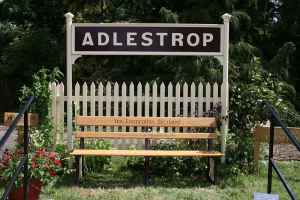
Adlestrop : Edward Thomas : : Summer Time Classic : :

English poet Edward Thomas (1878-1917) was on the Oxford to Worcester express train. The train made an unscheduled stop at Adlestrop (formerly Titlestrop) in Gloucestershire, a tiny village in the Cotswolds with a population of just over 100. Jane Austen visited Adlestropthe former rectory at Adlestrop three times – her mother’s cousin lived there – and Mansfield Park in her novel of that name may have been partly inspired by her visits to Adlestrop House.

Yes, I remember Adlestrop –
The name, because one afternoon
Of heat the express-train drew up there
Unwontedly. It was late June.

The steam hissed. Someone cleared his throat.
No one left and no one came
On the bare platform. What I saw
Was Adlestrop – only the name


And willows, willow-herb, and grass,
And meadowsweet, and haycocks dry,
No whit less still and lonely fair
Than the high cloudlets in the sky.

And for that minute a blackbird sang
Close by, and round him, mistier,
Farther and farther, all the birds
Of Oxfordshire and Gloucestershire. 🌹🌹 — Edward Thomas : :🌹🌹🌹🌹🌹🌹🌹🌹🌹🌹🌹🌹🌹🌹🌹🌹🌹🌹🌹🌹🌹🌹🌹🌹🌹🌹🌹 અર્થ નિર્દેશ આસ્વાદ કાવ્યાર્થ વિચાર સંકલન વિ જયરાજ :: ‘Adlestrop’. The setting for this poem is the railway station serving the small village of Adlestrop in Gloucestershire; the moment is a day in ‘late June’ – specifically, late June 1914, when Thomas, on his Summer day lakeway to visit Robert Frost, noted the summery sounds and sights while the train stopped at the station. The poem captures a moment of English summer tranquillity in a few vivid, evocative images and sounds. : : : : The wonderful sixteen-line poem, which was once ranked Britain’s 20th favourite poem : : : : The origins of the poem lie in an event that took place on 24 June 1914, while English poet Edward Thomas (1878-1917) was on the Oxford to Worcester express train. The train made an unscheduled stop at Adlestrop (formerly Titlestrop) in Gloucestershire, a tiny village in the Cotswolds with a population of just over 100. (Jane Austen visited Adlestropthe former rectory at Adlestrop three times – her mother’s cousin lived there – and Mansfield Park in her novel of that name may have been partly inspired by her visits to Adlestrop House.) : : : : Detailed Poem Analysis : Pending : : : : Presented by V Jayaraj Pune India : : May 9 , 2022 : : : :

Design a site like this with WordPress.com
Get started