ઉંચકી સુગંધ એક ઊભું ગુલાબ એની વેદનાની વાતોનું શું? કાંટાંથી છોલાતી લાગણી ને સપનાંઓ ઉંઘ છતાં જાગવાનું શું?
સુવાસે પડઘાતું આખું આકાશ છતાં ખાલીપો ખખડે ચોપાસ. ઉપવનના વાયરાની લે છે કોઇ નોંધ? કોણ વિણે છે એકલી સુવાસ? વાયરો કહે તેમ ઉડવાનું આમ તેમ વાયરાનું ઠેકાણું શું? – ઉંચકી સુગંધ……
ધારોકે ફૂલ કોઇ ચૂંટે ને સાચવે, ને આપે ને સુંઘે તો સારું. ધારો કે એક’દીની જિંદગીમાં મળવાનું, થોડું રખાય તો ય સારું. પણ ઉપવનમાં ઝુરવાની હોય જો સજા, તો મળવાના ખ્વાબોનું શું ? – ઉંચકી સુગંધ……
1. Hybrid Tea Rose Hybrid Tea or HT as popularly known is one of the most popular varieties, featuring a bushier nature. They make for great cut flowers, as the flowers have 30-50 petals.
It is a hybrid of tea and perpetual roses.
When talking of HT, we must mention “Indian Summer” rose. It is a double-flowered variety with a deep fragrance and a subtle charm. Its apricot shade is mesmerizing.
Indian postal department has released postal stamp of Rose varieties on Jawahar, Bhim, Neelam and Delhi Princess.
“Double Delight,” “Evening Star,” “Dil-ki-Rani,” “Happiness,” “Golden Giant,” “Love,” “Disco,” “Kiss of Fire,” “Sea Pearl” and “Paradise” are a few names from the vast range of varieties of HT roses.2. Grandiflora Rose This rose is a cross between Floribunda roses and HT. The plant features a cluster of flowers on a single stem. One of the striking features of this rose is its enchanting shades of yellow, orange, red, pink, and purple.
“Earth Song,” and “Pink Parfait” are two examples of Grandiflora rose.3. Floribunda Rose
This rose is a cross between Polyantha rose and HT. The plant features dense clusters of big flowers in beautiful shades of yellow, white, pink, purple, and orange. This rose is best suited for hedges, as it is a low-growing shrub.
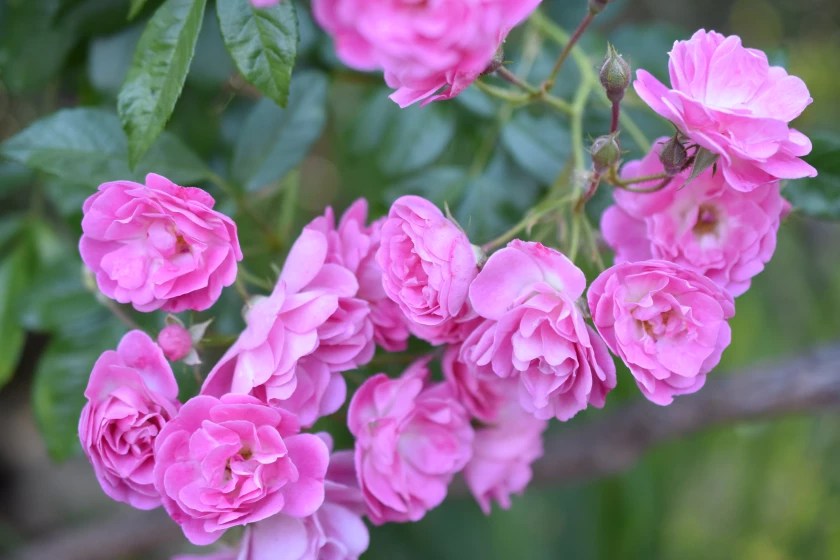
“Mahak,” “Kusum,” “Prema,” “Rajamani,” “Sindoor,” “Chandrama,” “Golden,” “Rays,” “Summer Snow,” and “Sunil Gavaskar,” are a few names from a line of varieties of Floribunda Rose. 4. Polyanthas Rose This rose requires low maintenance and shows resistance to diseases. This rose provides an eye-catching sight when you grow them along the hedges or in a line of pots. The shades of red, pink, and white make for a fairytale sight in your garden.
“Sneezy,” “Rashmi,” “Pink Spray,” and “Fairy Rose” are a few names of its varieties. Polyantha roses are prolific bloomers and rugged survivors.Excellenz von Schubert, an old garden rose, is a wonderful polyantha rose with small dark pink fragrant blooms.The first polyantha rose, Pâquerette, was introduced in 1875 by Jean-Baptiste Guillot, who made the cross between R. multiflora and R. chinensis, both species of roses native to east Asia. The hybridizer decided to call his new hybrid polypoms because of the flower clusters that resembled pom-poms. Today they are known as polyanthas, which is the Greek term meaning many flowers.Popular and charming Mlle. Cécile Brünner is also known as the Sweetheart Rose. It can be grown as a climber and also a shrub rose.. It is remontant (Repeat blooming) and disease resistant, and its pink pointed buds open to double, miniature rosettes that have a spicy fragrance.Bred in France, very fragrant apricot Perle d’Or is a highly regarded old garden rose that can grow to 6 feet tall. It blooms from spring until fall, replacing spent flowers quickly with new flushes of bloom. It is also suitable for a large container on a deck or patio or along a walkway where its fragrance and flowers can be enjoyed up close. Perle d’Or is very resistant to blackspot, mildew and rust.Les paquerettes pompons
A rose is a woody perennial flowering plant of the genus Rosa, in the family Rosaceae, for the flower it bears. There are over three hundred species and tens of thousands of cultivars. They form a group of plants that can be erect shrubs, climbing, or trailing, with stems that are often armed with sharp prickles.Their flowers vary in size and shape and are usually large and showy, in colours ranging from white through yellows and reds. Most species are native to Asia, with smaller numbers native to Europe, North America, and northwestern Africa.Species, cultivars and hybrids are all widely grown for their beauty and often are fragrant. Roses have acquired cultural significance in many societies. Rose plants range in size from compact, miniature roses, to climbers that can reach seven meters in height. Different species hybridize easily, and this has been used in the development of the wide range of garden roses. The name rose comes from Latin rosa, which was perhaps borrowed from Oscan, from Greek ρόδον rhódon (Aeolic βρόδον wródon), itself borrowed from Old Persian wrd- (wurdi), related to Avestan varəδa, Sogdian ward, Parthian wâr. Rose 🌹🌹🌹🌹🌹🌹🌹🌹🌹🌹🌹🌹🌹🌹🌹🌹🌹🌹🌹🌹🌹🌹🌹🌹🌹🌹🌹🌹🌹🌹 The leaves are borne alternately on the stem. In most species they are 5 to 15 centimetres (2.0 to 5.9 in) long, pinnate, with (3–) 5–9 (–13) leaflets and basal stipules; the leaflets usually have a serrated margin, and often a few small prickles on the underside of the stem. Most roses are deciduous but a few (particularly from Southeast Asia) are evergreen or nearly so.
The flowers of most species have five petals, with the exception of Rosa sericea, which usually has only four. Each petal is divided into two distinct lobes and is usually white or pink, though in a few species yellow or red. Beneath the petals are five sepals (or in the case of some Rosa sericea, four). These may be long enough to be visible when viewed from above and appear as green points alternating with the rounded petals. There are multiple superior ovaries that develop into achenes. Roses are insect-pollinated in nature.
The aggregate fruit of the rose is a berry-like structure called a rose hip. Many of the domestic cultivars do not produce hips, as the flowers are so tightly petalled that they do not provide access for pollination. The hips of most species are red, but a few (e.g. Rosa pimpinellifolia) have dark purple to black hips. Each hip comprises an outer fleshy layer, the hypanthium, which contains 5–160 “seeds” (technically dry single-seeded fruits called achenes) embedded in a matrix of fine, but stiff, hairs. Rose hips of some species, especially the dog rose (Rosa canina) and rugosa rose (Rosa rugosa), are very rich in vitamin C, among the richest sources of any plant. The hips are eaten by fruit-eating birds such as thrushes and waxwings, which then disperse the seeds in their droppings. Some birds, particularly finches, also eat the seeds.
The sharp growths along a rose stem, though commonly called “thorns”, are technically prickles, outgrowths of the epidermis (the outer layer of tissue of the stem), unlike true thorns, which are modified stems. Rose prickles are typically sickle-shaped hooks, which aid the rose in hanging onto other vegetation when growing over it. Some species such as Rosa rugosa and Rosa pimpinellifolia have densely packed straight prickles, probably an adaptation to reduce browsing by animals, but also possibly an adaptation to trap wind-blown sand and so reduce erosion and protect their roots (both of these species grow naturally on coastal sand dunes). Despite the presence of prickles, roses are frequently browsed by deer. A few species of roses have only vestigial prickles that have no points. 🌹🌹🌹🌹🌹🌹🌹🌹🌹🌹🌹🌹🌹🌹🌹🌹🌹🌹🌹🌹🌹🌹🌹🌹🌹 🌹Evolution : : : : : : : ; : The oldest remains of roses are from the Late Eocene Florissant Formation of Colorado. Roses were present in Europe by the early Oligocene.
Today’s garden roses come from 18th-century China.Among the old Chinese garden roses, the Old Blush group is the most primitive, while newer groups are the most diverse. 🌹🌹🌹🌹🌹🌹🌹🌹🌹🌹🌹🌹🌹🌹🌹🌹🌹🌹🌹🌹🌹🌹🌹🌹🌹🌹🌹🌹🌹🌹🌹🌹🌹
Species : : : : Main List of Rosa species : : : : : : :
Rosa gallica Evêque, painted by Redouté The genus Rosa is composed of 140-180 species and divided into four subgenera:
Hulthemia (formerly Simplicifoliae, meaning “with single leaves”) containing two species from southwest Asia, Rosa persica and Rosa berberifolia, which are the only roses without compound leaves or stipules. Hesperrhodos (from the Greek for “western rose”) contains Rosa minutifolia and Rosa stellata, from North America. Platyrhodon (from the Greek for “flaky rose”, referring to flaky bark) with one species from east Asia, Rosa roxburghii (also known as the chestnut rose). Rosa (the type subgenus, sometimes incorrectly called Eurosa) containing all the other roses. This subgenus is subdivided into 11 sections. Banksianae – white and yellow flowered roses from China. Bracteatae – three species, two from China and one from India. Caninae – pink and white flowered species from Asia, Europe and North Africa. Carolinae – white, pink, and bright pink flowered species all from North America. Chinensis – white, pink, yellow, red and mixed-colour roses from China and Burma. Gallicanae – pink to crimson and striped flowered roses from western Asia and Europe. Gymnocarpae – one species in western North America (Rosa gymnocarpa), others in east Asia. Laevigatae – a single white flowered species from China. Pimpinellifoliae – white, pink, bright yellow, mauve and striped roses from Asia and Europe. Rosa (syn. sect. Cinnamomeae) – white, pink, lilac, mulberry and red roses from everywhere but North Africa. Synstylae – white, pink, and crimson flowered roses from all areas. 🌹🌹🌹🌹🌹🌹🌹🌹🌹🌹🌹🌹🌹🌹🌹🌹🌹🌹🌹What are rose hips? A rose hip is the rose plant’s fleshy, berrylike floral cup, or hypanthium. It contains the plant’s seeds, and it usually ranges from red to orange in colour. Many species, particularly the rugosa rose, produce edible rose hips, which are a rich source of vitamin C and are sometimes used in preserves.
When are rose bushes in season? Rose bushes are in season from mid-spring to autumn. The plant goes dormant in the winter.
Why do roses have thorns? Strictly speaking, roses do not have thorns. They have prickles. Both, however, have the same purpose: they are plant defense mechanisms. Scientists believe that roses have prickles in order to protect themselves from animals drawn to them by their fragrance. 🌹🌹🌹🌹🌹🌹🌹🌹🌹🌹🌹🌹🌹🌹🌹🌹🌹🌹🌹🌹🌹 Roses in legend and in history The rose was sacred to Venus (mythology). Venus was the Roman goddess of love and beauty. It was also linked with Cupid (son of Venus). He was the Roman god of desire – in one myth, he dropped nectar and the nectar bubbled up from the ground as roses.The rose was also sacred to Bacchus. He was the Roman god of wine.
Rich Romans would lie on couches with roses laid on them. They would wear roses tied onto string around their neck. Anything which was said “under the rose” was considered to be a secret. Cleopatra VII of Egypt was said to have had a floor of her palace covered in roses before her lover Mark Antony visited her. Hybrid Tea roses, Floribunda roses, and English roses are the most common in gardens today. They are of so many colours like red, yellow, orange, pink, purple and so on
The rose has been used as a symbol of love for hundreds of years. Symbolism : : : : : : : : : : In the Catholic religion, rose is a symbolic element of the Holy Rosary; it is reported that Fra Angelico, praying the rosary in the street, saw the Virgin with a group of Angels offering her hymns and prayers while they were composing a crown of roses. Surprised by the vision, he interrupted the prayer and the angels stopped; when he prayed again he saw the angels recommencing to compose the crown of roses to offer to Mary.
Different colored roses have different meanings.
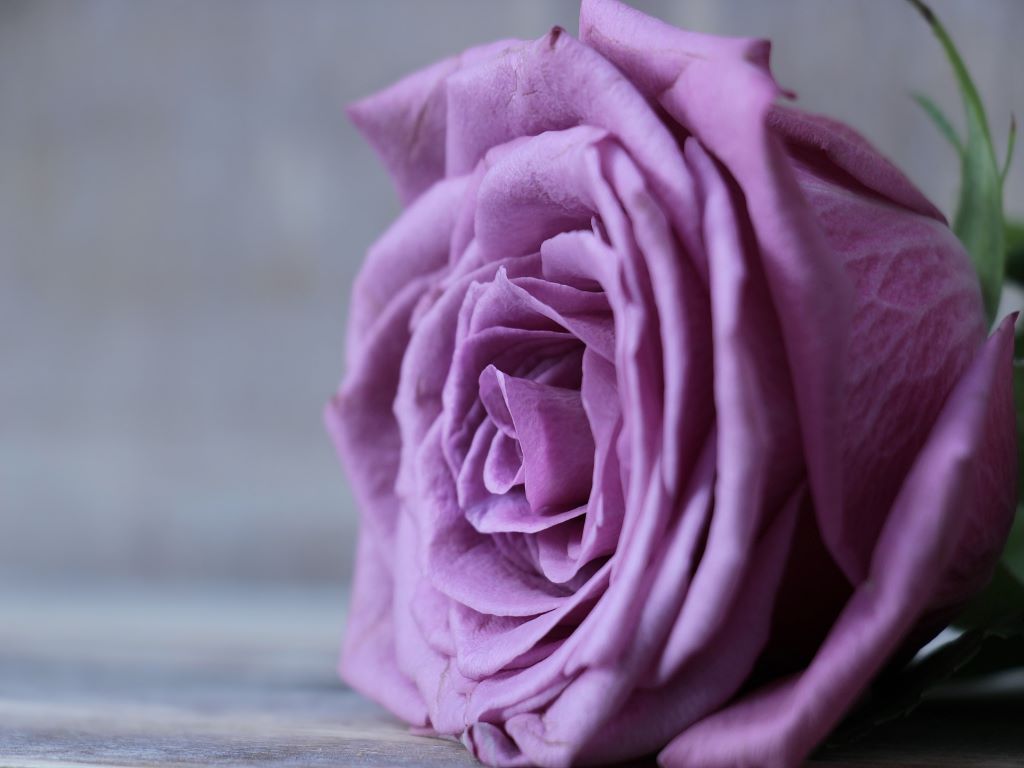
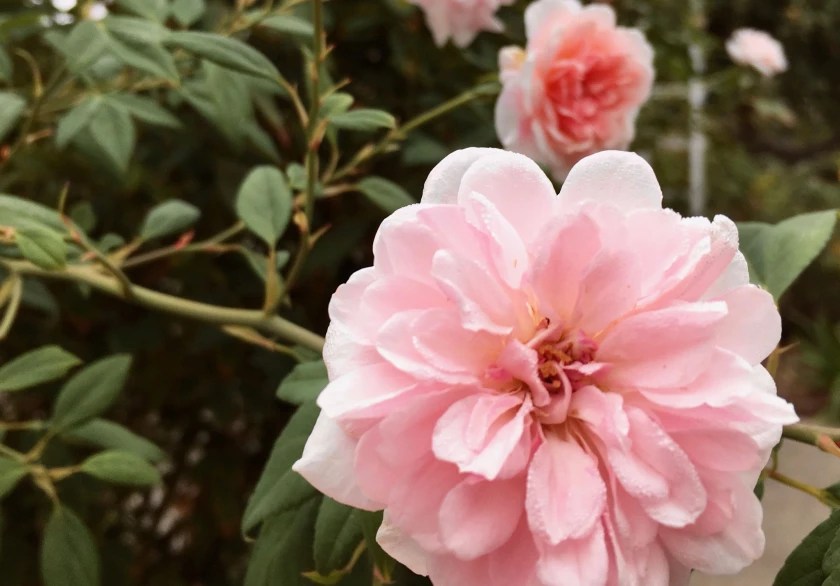
Red – A red rose is an expression of love. Red roses usually show deep feelings, like love, longing, or desire. Red roses can also be used to show respect, admiration, or devotion. A deep red rose can be used to show regret and sorrow. The number of red roses given has a special meaning as well. 12 red roses is the most popular number to give; it means “Be mine” and “I love you”. Pink – There are a lot of variations of the pink rose. Usually, pink roses are used to express gentle emotions such as admiration, joy, gratitude and deep or endless love.[8] Dark pink – Deep pink rose blooms may mean deep gratitude and appreciation. Dark pink roses also express elegance and grace. Light pink – Light pink rose blooms are symbols of pleasantness and innocence. White – White is the color of purity, innocence and sacred love. It represents love that is eternal and endures beyond death. White roses usually may symbolize a new start, and it is a custom for brides to hold them when she walks down the aisle at her wedding. In certain faiths, the white rose can represent the sanctity of a marriage. White roses can be used to show sympathy or humility. They also may be about spiritual things. Yellow – Yellow roses are usually used as an expression of exuberance. Yellow roses show sunny feelings of joy, warmth, and sometimes welcome. They are symbols of friendship and caring. The yellow rose, unlike some of the other roses, does not mean or express any romance. Orange – Orange roses remind most people of a fiery blaze. These fiery blooms are symbols of passion and energy. Orange roses can be used to show desire and pride. Burgundy – The color of burgundy is a symbol of beauty. Green – Green roses (these are sometimes white roses with shades of green) can symbolize best wishes, luck, and blessings for a good life or recovery of good health. Blue – Blue roses cannot be found in the nature and so they represent the unattainable or the mysterious. Blue roses therefore show the desire for the goals you cannot reach. They may sometimes mean “I can’t have you but I can’t stop thinking about you”. Black – Black is the color of death and farewell. A black roses show the death of a feeling or idea. Sending black roses to someone indicates the death of the relationship, or sometimes it may be used in burials. Violet and Purple – A violet or purple rose may show protection, and also a sense of majesty, royalty, and splendor. These roses are used to show adoration. Lavender – A lavender rose, like its color, shows enchantment. It also expresses “love at first sight”. 🌹🌹🌹🌹🌹🌹🌹🌹🌹🌹🌹🌹🌹🌹🌹🌹🌹🌹🌹🌹🌹🌹🌹 Click here to view the visit of an entire home garden of Roses in North Florida: : https://youtu.be/uyb6bmQR3rA
5. Climber and Rambler Rose This rose is like a vine, but is not a vine actually. They feature long, stiff canes that can be trained by using a support. Horizontal training stimulates better blossoming. The plant delights everybody by its big flowers that pop up repeatedly during its growing season.
“Kanyakumari,” “Eden,” and “May Queen” are a few examples of Climbing roses.
Rambler roses are like climbers but the former is more vigorous with flexible stems and dense blooms. This variety can be easily trained on arches and pergolas, so are great for garden décor. They promise to increase the aesthetic look of your garden manifold. In fact, they can stun with their vibrant beauty!
“American Pillar” and “Snow Goose” are a couple of examples of this rose. 6. Landscape Rose This rose flowers throughout the year. They have a sprawling habit, which makes them a great space filler in any garden. They grow low and require less maintenance. Their floral patterns are interesting, giving the entire shrub a charisma.
“Flower Carpet Coral” and “Flower Carpet Scarlet” are two examples of this rose. 7. Shrub Rose This rose displays features of traditional and modern roses. Flowers have double petals and are closely fitted to each other, giving it a small cabbage-like appearance. You can find them in rainbow shades, except green and blue.
“Iceberg” and “Beach” are two examples of Shrub rose. 8. Bourbon Rose This rose is a cross between old blush China rose and Damask rose. It is being grown in Haldighatti & Puskar area. This variety is used to produce rose oil thanks to its pleasant fragrance. Flowers can be snow white or dark pink. It is good for making gulkand.
“Zephirine Drouhin” is an example of Bourbon rose. 9. Damask Rose
This rose is a cross between Rosa moschata and Rosa gallica. This variety features flowers from deep pink to light pink. In India, this variety is used to make “attar,” a kind of rose oil.
Do you know its petals are edible? They are used to make herbal teas, to flavor dishes, or to make preservative gulkand. CSIR-IHBT has developed new varieties and oil extraction technology.
“Noorjaha,” “Him Jwala,” and “Him Himroz” are examples of Damask rose. 10. Alba Rose This is one of the oldest varieties of rose. The plant can withstand shady environment and shows resistance to diseases. The flowers are a lovely pink to white shades with a sweet aroma that soothes the senses. 11. Miniature Rose Miniature roses are cultivated in a manner that they stay small in size. Their stems are petite, but they are hardy and bloom continuously for 2-3 weeks. They are best suited for fencing plants and hanging pots.
“Baby Love,” “Dazler,” “Lavender Jewel,” and “Beauty Scarlet” are varieties of miniature rose. 12. Kashmiri Rose
This rose is great for cut flowers. It features a light scent and eye-catching bright red flowers. The variety resembles HT. The flower petals are velvety soft to touch and can serve as a perfect gift as a cut flower. Rosa rubigenosa : Rose Flower : ગુલાબ નું ફૂલ 5 પાંખડીઓRose thorns are actually prickles – outgrowths of the epidermisRose leafletsExterior View of Rose BudsLongitudinal section through a developing rose hipBouquet of pink rosesrose hips Rose hips of the rugosa rose (Rosa rugosa). The hips are high in vitamin C and are sometimes used in teas or preservesHybrid Tea Rosehybrid tea rose ‘Double Delight,’ a hybrid tea rose (Rosa ‘Double Delight’). The flowers are highly fragrant and bloom continuously throughout the season.Hundreds of years ago, the roses in people’s gardens looked different from most roses grown today. This ‘Tuscany Superb’ rose cultivar was discovered in 1837. There are thousands of rose cultivars that people grow in gardens and on farms. The names used to describe the different types often refer to one species that is the main ancestor of that group, for example, Gallica roses are mostly descended from Rosa gallica. Other groups have several different species among their ancestors‘Bridal Pink’, a hybrid Tea rose at the Mo rwell Rose GardenYellow rose (Rosa foetida) being pollinated by a bee Over hundreds of years they have been specially bred to produce a wide variety of growing habits and a broad range of colours from dark red to white including as well yellow and a bluish/lilac colour. Many roses have a strong, pleasant scent. Most roses have prickles (incorrectly called thorns) on their stems. Rose bushes are able to tolerate a wide variety of growing conditions. The fruit of the rose is called a hip. Some roses have decorative hips.
Roses are widely used across the world as symbols of love, sympathy or sorrow.
Rose is widely used as a girl’s name. Also, roses protect themselves from other predators trying to hunt them with thorns, a widely known defense system.
સ્વસ્તિક નું ફૂલ 5 Petals pinwheel lookVery Beautiful Extremely White , Multiple Petals Variety of Tagar : ચાંદની નું ફૂલ : Photo From Asam N.E.State of Indiaસ્વસ્તિક ટગર ટગરી ના ફુલો ના ઝૂમખાં પ્રદર્શિત કરતું મધ્યમ કદનું ઊચે ફેલાયેલી ડાળો વાળું ગોળાકારે છાંટેલુ જાહેર રસ્તા પર નું વૃક્ષ .Double Petals Variety of Crepe Jasmine in Off white colour against white background
Tabernaemontana divaricata, commonly called pinwheel flower, crape jasmine, East India rosebay and Nero’s crown is an evergreen shrub or small tree native to South Asia, Southeast Asia and China. In zones where it is not hardy it is grown as a house/glasshouse plant for its attractive flowers and foliage. The stem exudes a milky latex when broken, whence the name milk flower. Description : : : : 🌹🌹🌹🌹 🌹🌹🌹🌹🌹 The plant generally grows to a height of 1.5–1.8 metres (5–6 ft) and is dichotomously branched. The large shiny leaves are deep green and about 15 cm (6 in) in length and 5 cm (2 in) in width. The waxy blossoms are found in small clusters on the stem tips. The (single) flowers have the characteristic ‘pinwheel’ shape also seen in other genera in the family Apocynaceae such as Vinca and Nerium. Both single and double-flowered forms are cultivated, the flowers of both forms being white. The plant blooms in spring but flowers appear sporadically all year. The flowers have a pleasing fragrance.More than 66 alkaloids are found in the shrub. Rose 🌹🌹🌹🌹🌹 🌹🌹🌹🌹🌹🌹🌹🌹🌹🌹🌹🌹🌹🌹 🌹🌹 Common name: Crape jasmine, Moonbeam, Carnation of India • Hindi: Chandni चांदनी , Tagar तगर, Tagari तगरी • Kannada: ನಂದಿಬಟ್ಟಲು Nandi battalu,ನಂಜುಬಟ್ಟಲು Nanju battalu, ನಂದ್ಯಾವರ್ತ Nandyaavarta, ತಗರ Tagara • Mizo: Par-arsi, Kelte-bengbeh Battalu • Tamil: நந்தியார்வட்டை Nandiar vattai • Gujarati: Sagar • Marathi: Ananta, Tagar • Sanskrit: नन्द्यावर्त Nandyaavarta Botanical name: Tabernaemontana divaricata Family: Apocynaceae (Oleander family) Synonyms: Tabernaemontana citrifolia, Tabernaemontana coronaria, Nerium coronarium Crape jasmine, a shrub very common in India, generally grows to a height of 6 ft. However, it can also grow into a small tree with a thin, crooked stem. Like many members of the Oleander family, stems exude a milky latex when broken. The large shiny leaves are deep green and are 6 or more inches in length and about 2 inches in width. Crape jasmine blooms in spring but flowers appear sporatically all year. The waxy blossoms are white five-petaled pinwheels that are borne in small clusters on the stem tips. Flowers are commonly used in pooja in north and south India and Western India including Gujarat and Maharashtra .
Buds of Crepe Jasmine Pinwheel Milk Flowers સ્વસ્તિક ટગર blossoming throughout the year but in too many Clusters from late Summer through the Rain એટલી મોટી સંખ્યામાં ખીલીને દરેક ડાળોને ભરી ભરી દે કે લીલાં પાંદડાં ઢંકાઈ જાય અને ચમકદાર સફેદ ભીની ભીની ખુશ્બુ સાથે Looking white and white everywhere મખમલી દેખાવના ટગર ચાંદની ના ફુલો Clusters of white Crepe Jasmine Pinwheel Milk Flowers સ્વસ્થ ચાંદની ટગર ના ફુલો Gardenia Crepe Jasmine Pinwheel Milk Flowers Tabernaemontana divaricata : Early morning blossoming : close up Butterfly attracted even to the early morning Buds of Togar Flowers ચાંદની about to bloomDwarf Variety of Tagar Flowering Season Summer
Genus Jasminum , white flowers with little fragrance
Maintenance Medium, daily watering
Size Medium
Thrive With Pots Yes
Sunlight Requirement Outdoor Shade,Outdoor Sun
Use Balcony,Low Maintenance
Description
Dwarf Crape jasmine or Tabernaemontana Divaricata is a pretty little shrub with a rounded shape and pinwheel flowers reminiscent of gardenias.Crepe jasmines thrive outdoors in warm climates& needs a well drained soil. Family Apocynaceae
Origin India
Description Dwarf Crape jasmine or Tabernaemontana Divaricata is a pretty little shrub with a rounded shape and pinwheel flowers reminiscent of gardenias. The shrub is very common in India & generally grows to a height of 2 ft. However, it can also grow into a small tree with a thin, crooked stem. Like many members of the Oleander family, stems exude milky latex when broken. The large shiny leaves are deep green. Crape jasmine blooms in spring but flowers appear sporadically all year. The waxy blossoms are white five-petaled pinwheels that are borne in small clusters on the stem tips.
Environment Crepe jasmines thrive outdoors in warm climates& needs a well drained soil. The plant grows in both full sun or partial shade. The plant prefers a little acidic soil. If the soil is very alkaline, crepe jasmine care will include more frequent applications of fertilizer .
બ્રહ્મ કમલ : Saussurea obvallataSerene white Queen of flowers : Brahma Kamalઅતિ સુંદર પ્રભુ ચરણો માં અર્પિત બ્રહ્મ કમલ ઘરના મંદિરિયેપ્રભુ ચરણો માં અર્પિત બ્રહ્મ કમલ ઘરના મંદિરિયેMissed for time lapse video shoot but one snap of beautiful blossoming of Brahma Kamal flower : Orchid cactus and doesn’t need much waterબ્રહ્મ કમલ ખીલ્યું ખીલ્યું so does Hope bloomsBlooming petals of Brahma Kamal
Saussurea obvallata is a species of flowering plant in the Asteraceae. It is native from India to southwest China. In the Himalayas, it is found at an altitude of around 4500 m. It is the state flower of Uttarakhand. Brahma Kamal, the much reverred flower of the Himalayas, is an excellent example of plant life at the upper limit of high mountains (3,000-4,600 m). : : : : : : : : Description : : : : : : : : : : : : Saussurea obvallata is a perennial growing to 0.3 m (1 ft). The flowers are hermaphrodite (have both male and female organs) and are pollinated by insects. Flowers bloom in mid-monsoon (July–August) amongst the rocks and grasses of the hillside at an altitudinal range of 3000–4800 m. Flower heads are purple, hidden from view in layers of yellowish-green papery bracts, which provide protection from the cold mountain environment. The flowers can be seen till mid-October, after which the above-ground portions of the plant die back, becoming visible again in April.
Hinduism : : : : : : : : : : : : : : : : : : : : : : : : : The Lotus of Brahma: The name of this flower can be translated to mean, ‘The Lotus of Brahma’. Lord Brahma, the creator of the Universe, is always depicted as sitting on a huge lotus and holding one in his hand. Another name for Lord Brahma is Kanja or the one born out of the water. So, schools of thought say that Brahma was born from the navel of Lord Vishnu while others say that he was born from a huge white lotus that we call the Brahma Kamal.
The Golden Lotus: : : : : : : : : When the Pandavas were in exile in the forests, Draupadi accompanied them. She was constantly tormented by painful memories of her insult in the Kaurava court. The hardships of a forest life also took its toll on her. One evening she saw a beautiful lotus float away in the stream. After she saw this ‘golden’ lotus bloom, she felt a strange happiness that was almost spiritual. But the lotus withered as quickly as it had bloomed. Draupadi sent her most devoted husband Bhima to look for it and on his quest for the flower he met Hanuman (Bhima’s elder brother). As a lotus is usually pink, ‘golden’ may mean a shimmering ‘white’.Cli
અંકુરિત પર્ણો બ્રહ્મ કમલ કુંડા માં ઉગાડી શકાયFirst sight of Brahma Kamal blossomed on the Terrace garden@venkat_wanderlust Location : Vishakhapatnam Yes! It is Queen of the night with pearls of mist.. The reason is it rarely blooms and only at the night and it will wilt before down.So excited on starting of blooming of Brahma Kamal PlantSide View of blossoming Brahma Kamal flowerWhite Flower Magic of Brahma Kamal flower with its green leaves and message of love 💖💓 and peace ☮️–Color White !! Symbolizes the purity of a mother’s love. It also symbolizes peace,purity and meditation !! Had you experienced the blooming of Brahmakamalam (Saussurea Obvallata)?? I did @ my friends place. The flower bloomed as we were listening to lalitha sahasranamam !! It was a magical experience!! The moon; ascends and descends one 27 days, but it never loses its purity, radiance, and light!! #day5 #navarathriSee its beauty and whiteness . Fully bloomed and illuminated and photographed by late night when it can not be offered to God as we worship Gods Only after 1 st dawn or on daybreak when it might wilt down . So , Let us cut and freeze till early morning Puja , Not in freezer . ઘરના બગીચા માં બ્રહ્મ કમલBrahma Kamal blossomed in the house gardenYearly oncee blossomed : Nature’s Gift To Spiritual Indian : Brahma Kamal flower Brahmakamalam ( sassurea obvallata) Posted by ANAGHA on AUGUST 17, 2018 Cell of the leaf Brahmakamal observed under Foldscope at Ekya School J. P. Nagar, Bangalore. Scientifically known as Sassurea obvallata is a native to the Himalayas and Uttarakhand of India. This plant usually grows upto 0.3 metre or 1 feet. This plant is considered as a medicinal herb in Tibet. In Tibet, it is referred to as Sah-du Goh-ghoo . It has a bitter taste. The entire plant is used. It is endangered because people are cutting it down for their own use. It is found in the region of the Himalayas. It is also used to cure urogenital disorders. microcosmos site for biology and nature
લીલાં-સૂકાં જંગલ વચ્ચે કાબરચીતરાં રહીએ નભમાં ઊડતાં સાંજ પડે તો સોનલવરણાં થઈએ રાત પડે ને ડાળ ઉપરથી કોયલ થઈને ટહુક્યાં અમે બરફના પંખી રે ભાઈ, ટહુકે ટહુકે પીગળ્યાં
Nelumbo nucifera : પવિત્ર કમળ ફૂલBritish 19th Century, East Indian Lotus (Nelumbo nucifera), late 19th century, National Gallery of Art, NGA 52325કમળ ફૂલ , દાંડી અને પર્ણ સહિતCarpellary Receptacle of Lotus : Lotus Fruit : કમળ કંદ ફળ અને બીજકમળ ફૂલ નું પર્ણ
Lotus are extant species of aquatic plant in the family Nelumbonaceae. It is sometimes colloquially called a water lily, though this more often refers to members of the family Nymphaeaceae . પોયણી ની કળી / કમળ પોયણા : Water Lily ની એક Family : Nymphaeceae ની સામે ચરક સાત family માં ૪૯ પ્રજાતિ કહે છે : ૧) પદ્મક : No 1 સૌથી મોટું એકમાત્ર ગુલાબી કમળ : અરવિંદ . સૂર્યાસ્ત થતાં પાણીમાં સ્હેજ ઉતરી જાય/ બીડાયેલ પાંખડી ઓ સૂર્યોદય થતાં પુનઃ ખીલે . ફળ માં દરેક ખાનામાં એક એક કાળા લીલાં બીજ અને પોલાં મૂળ – બંને ને કમળ કાકડી કહે , જે ખવાય જેની શેકેલી ધાણી , તે મખાના જે લીલી ની અન્ય પ્રજાતિ ના બીજ માં થી process કરાય છે . કમળ સૂર્યોદય સાથે ખીલે . પોયણા ચંદ્રોદય સાથે ખીલે .સંયુક્ત રીત નું તે ૨) ઉત્પલ : જેની પાંખડી ઓ પરિપક્વ નથી . ખીલવા ની અવસ્થા નો ભેદ છે . પૂર્ણ ખીલ્યું નથી ને પૂર્ણ કળી પણ નથી એવું કમળ તે પોયણી / પોયણુ : નીલોત્પલ . ૩) નલીન : આસમાની રંગ નું સફેદ ઝાંય નું પોયણુ . નલ / શીતળ જળ .૪) કુમુદ : આછાં ગુલાબી રંગ નું પોયણુ / બીજો નંબર આવે . ૨” પહોળું ચીકણું ફળ તે ઘીતેલા . ૫) સૌગંધીત : પીળું/સફેદ કે લાલ . કંદ માં ભીની સુગંધ . ૬) પુઙરીક : પુઙ / તિલક આકાર ની પીળી/સફેદ પાંખડી ઓછી સંખ્યામાં . ૭) શતપત્રી : ગુલાબ ની જેમ સંખ્યા માં વધુ રતાશ / સફેદ પાંખડી ઓ . Nelumbo speciosum and Nelumbo komarovii and Nymphaea nelumbo are Synonyms . કમળ નું મુળ વતન વિયેતનામ થી અફઘાનિસ્તાન સુધી ગણાય છે. તે સૌંદર્ય પ્રસાધન અને ખોરાક તરીકે ઉપયોગમાં લેવાય છે. ઇ.સ.૧૭૮૭માં પ્રથમ વખત તેને પશ્ચિમ યુરોપમાં લઇ જવાયેલ,અત્યારે કમળની આ પ્રજાતિ આફ્રિકામાં બહુ ઓછી જોવા મળે છે,પરંતુ દક્ષિણ એશિયા અને ઓસ્ટ્રેલિયામાં તેમનું વાવેતર કરવામાં આવે છે. ફૂલ, બીજ અને કુમળા પાંદડા અને મૂળ ([રાઇઝોમ્સ])સર્વે ખાવા લાયક છે. એશિયામાં પાંખડીનો ઉપયોગ સજાવટ અને પાંદડાનો ઉપયોગ ખધ્ય પદાર્થ બાંધવા માટે થાય છે. કોરિઆમાં પાંદડા અને પાંખડીનો ઉપયોગ તિસેન નામની વનસ્પતિ ચા (હર્બલ ટી) તરીકે થાય છે. યેંકોચા(연꽃차) કમળના સુકવણી કરેલ પાંખડી માંથી બને છે અને યૉનીપ્ચા(연잎차) પાંદડામાં થી બને છે. તેની દાંડી જે ને ચીની ભાષામાં ઓયુૢ કેંટોનીઝમાં ન્ગાઉ ભારત અને પાકિસ્તાનના અમુક ભાગોમાં ભેંૢ જાપાનીમાં રેંકોનૢ કોરિયામાં યેંગોયુન તરીકે ઓળખાય છે. તેની ઉપયોગ સુપમાં શાક તરીકેૢ તળીનેૢ હલકા શેકીનેૢ સીજવીને ખાવાના ઉપયોગમાં લેવાય છે. તેની પાંખડીૢ પાંદડાૢ દાંડી ને કાચા પણ આરોગિ શકાય છે પણ તેમાં ફેસ્કીઓલોપ્સીસ બસ્કી નામના પરોપજીવી પ્રત્યારોપણનો ભય છે માટે કમળના ભાગ આદિ રાંધીને ખાવા હિતાવહ છે. કમળન મૂળ ડાઍટરી ફાયબરૢ વિટામીન સીૢ પોટૅશીયમૢ થાયમીનૢ રાયબોફ્લેવીનૢ વિટામિન બી-૬ૢ ફોસ્ફરસૢ તાંબુ અને મેંગેનીઝમાં સમૃદ્ધ છે અને તેમાં સાંદ્ર ચરબી ઘણી ઓછી છે.
તેના પુંકેસરને સુકવીની તેમાંથી સુગંધી વનસ્પતિજન્ય ચા બનાવવામાં આવે છે. જેને ચાયનીઝમાં લિઆન્હુઆ ચા કહે છે અને વિએટનામમાં ચાને ખાસ સુગંધ આપવા તે વપરાય છે. ક્ઝીઆનની એક જાત ચીનમાં ખૂબ જ પ્રચલીત છે તેને કાચી પણ ખાઈ શકાય છે કે તેને સુકવીને તેમાંથી પોપકોર્ન જેમ ફોડી શકાય છે. તેને પાણીમાં ઉકાળીને પોચાપાડી તેમાં થી ખીરા જેવું બનાવી શકાય છે કે તેને સુકા લોન્ગન અને રોક સુગર સાથે મેળવી ગળ્યું સૂપ બનાવી શકાય છે. સાકર મિશ્રિત કમળના બીજની લુગદી (પેસ્ટ) મુનકેક, દાઈફુકુ આદિ બનાવવામાં વપરાય છે. કમળના બીજ ને ભારતમાં હફૂલ મખાણા કહે છે અને તે ભારતીય રસોઈ માં વપરાય છે.
પવિત્ર કમળના વિભિન્ન ભાગો પરંપરાગત એશિયન વનસ્પતિ વૈદુમાં થાય છે.
તેના ભિન્ન દેખાતા બીજના માથાઓ જે જળીય કેનના અંકુર જેવા દેખાય છે તેનો ઉપયોગ સુકા ગુલદસ્તાની બનાવટ માટે થાય છે.photo પારંપારિક પવિત્ર કમળ નીમ્ફીઆ કીરુલા સાથે દૂરના સંબંધી છે અને તેના જેવા ગુણ ધર્મો પણ ધરાવે છે આ બનેંમાં ન્યુસીફેરાઈન અને અપોર્ફાઈન નામના આલ્કોલોઈડસ્ છે.
સાંસ્કૃતિક મહત્વ : : : : હિંદુવ્તવમાં ખીલેલું કમળ -પદ્મને પુરાણ શસ્ત્રોના આરંભ સાથે અને વિષ્ણુ, બ્રહ્મા, લક્ષમી અને સરસ્વતી દેવી આદિ સાથે જોડવામાં આવે છે. પ્રાચીન કાળથી કમળ હિંદુ પરંપરાનું ભવ્ય ચિન્હ રહ્યું છે. કમળનો ઉપયોગ હમેંશા દિવ્ય સુંદરતાના રૂપક તરીકે થાય છે. વિષ્ણુને પદ્મલોચન તરીકે પણ ઓળખાય છે. કમળની પાંખડીઓનું ખુલવું આત્માના દ્વાર ઉઘડવા સાથે સરખાવાય છે. તેનું કાદવ ખીલવું એક અનેરૂ આધ્યાત્મીક ઉદાહરણ પુરું પાડે છે. બ્ર્હ્મા અને લદ્મી જેવા સમૃદ્દિના દેવનો સંબંધ કમળ સાથે છે. પ્રભુ ચિત્રકારીમાં હિંદુ પરંપરામાં દેવ દેવીની હમેંશા કમળ ઉપર બેસાડેલા હોય છે. કમલ આ ચોકરાના નામ તરીકે પણ વપરાય છે. અને કમલા બને છે છોકરીનું નામ.
વૈદિક અને પુરાણીક સાહિત્યમાં કમળ નો ઘણો ઘણો ઉલ્લેખ થયો છે. દા.ત.
જે વ્યક્તિ પોતાના કર્મ કોઈ પણ આકર્ષણ વગર કરે છે અને તેના પરિણામ પ્ર્ભુ ને સમર્પિત કરી કરી દે છે તે કમળના પર્ણની જેમ પાણીમાં હોવા છતાં સૂકો રહે છે. ભાગવદ ગીતા ૫.૧૦
હિંદુત્વ ની જેમ જ બુદ્ધ ધર્મમાં કમળ, શરીર, વાણી અને મગજની પવિત્રતા દર્શાવવા થાય છે. જેમ કમળ કાદવ પર તરીને પવિત્ર રહે છે તેમ શરીર, વાણી અને મગજની પવિત્રતા પણ કષાય માં રહેવા છતાં મેળવી શકાય છે. ગૌતમ બુદ્ધ ને હમેંશા કમળ પર બેઠેલા બતાવાય છે. દંત કથામાં એવું પણ કહે છે ગૌતમ બુદ્ધ જ્યાં પગ મુકતાં ત્યાં કમલ ખીલી ઉઠતાં
હિંદુ અને બુદ્ધ માન્યતા થી પ્રેરીત આંતરરાષ્ટ્રીય બહાઈ ફેઈથ સમાજ એ તેના ચિન્હની રૂપરેખામાં આચિન્હ અપનાવ્યું અને નવી દીલ્હીમાં કમળ બનાવડાવ્યું.
કમળ એ ભારતનું વતની છે તે ભારત અને વિયેટનામનું રાષ્ટ્રીય ફૂલ છે. ભા જ પા, એક ભારતીય રાજનૈતિક પક્ષ જે પોતાને ભારતીય સાંસ્કૃતિક રાષ્ટ્રવાદમાં નિપુણ માને છે તેણે પોતાનું ચૂંટણી ચિન્હ કમળ રાખ્યું છે. આ ક્ષેત્રની ઘણી કળાઓ માં કમળ દેખાતું રહે છે.
ચીની લોકો કમળને પવિત્રતા અને સૌન્દર્યનું પ્રતીક માને છે. તેનો ઉપયોગ ચીનની કવિતામાં ઘણો થાય છે. કમળના ચીની પરંપરામાં મહત્વની ચરમસીમા કંફ્યુસીયસના વિધ્વાન ઝૌ દુન્યી દ્વારા કહેવાયું છે “હું કમળને ચાહું છું કેમ કે તે કાદવમાં ઉગવા છતાં તે બેદાગ છે . The lotus plant in lotus thrones is often imagined as growing out of the cosmic ocean, and a few images represent the plant below the water level, with a stem also representing the world axis.
વિષ્ણુ ભગવાન મુગુટ માં અને હાથમાં કમળ અને કમલાસનકમળ સ્થિત દેવી લક્ષ્મી જી : પેઇન્ટિંગ : રાજા રવિ વર્માકમળ કાકડી દાંડી આડી કાપીને બાફેલી એશિયન વ્યંજનો બનાવવામાં ઉપયોગ : boiled & sliced rhyzomes : Lotus Roots used in Asian DishesRhyzomes of Lotus Fresh Lotus Seeds r: ready to eatLotus effect on Leaves Vietnamese-style green young rice (cốm) wrapped in lotus leaves, traditionally consumed with ripe bananas and tea during autumn at the beginning of the rice harvestLotus flower tea In Korea, lotus flower tea (연꽃차 yeon’kkot-cha) is made from the dried petals of the white lotus.
The stamens can be dried and made into a fragrant herbal tea (Chinese: 蓮花 茶; pinyin: liánhuā cha; Cantonese Yale: lìhnfāa chah), or used to impart a scent to tea leaves (particularly in Vietnam). This Vietnamese lotus tea is called trà sen, chè sen, or chè ướp sen.A unique fabric called lotus silk, from the lotus plant fibers, is produced only at Inle lake, Myanmar and in Siem Reap, Cambodia. This thread is used for weaving special robes for Buddha images called kya thingan (lotus robe). Vishnu rests on the serpent Ananta while Brahma sits on a lotus throne, the plant emitting from Vishnu’s navel. The boy Buddha rising up from a lotus. Crimson and gilded wood, Trần-Hồ dynasty, Vietnam, 14th-15th century : Vietnamese Museum The three Buddha figures here each have a lotus throne. Pala dynasty, Eastern India, c. 1000.Monkeys give honey to Buddha : Sakhyamuni : probably kurkihar , Bihar, Pala dynasty: Black Stone ; Museet , Stockholm . The precise form varies, but is intended to represent the opening flower of Nelumbo nucifera, the Indian lotus; in some Buddhist legends the baby Buddha emerged from a lotus flower. The Indian lotus is an aquatic plant similar to a water lily, though not actually any close relation. It has a large, round, and flat seed head in the centre of the flower, with initially small openings above each of the relatively small number of seeds. Among other unusual characteristics, nelumbo nucifera has particular properties of repelling water, known as the lotus effect or ultrahydrophobicity. Among other symbolic meanings, it rises above the water environment it lives in, and is not contaminated by it, so providing a model for Buddhists. According to the Pali Canon, the Buddha himself began this often-repeated metaphor, in the Aṅguttara Nikāya, saying that the lotus flower raises from the muddy water unstained, as he raises from this world, free from the defilements taught in the sutra.
In Sanskrit the throne is called either a padmāsana (Sanskrit: पद्मासन, [pɐdmaːsɐnɐ], āsana is the name for a seated position), which is also the name for the Lotus position in meditation and yoga, or padmapitha, padma meaning lotus and pitha a base or plinth.Gold Coin : Dinar : Chandragupta who reigned from 375 . to 415 CE : seated on Padmasan : Lotus throneRestrained double-lotus throne typical of Chola bronzes, when they have them at all. Shiva Nataraja, 10th century : Shiva As The Lord Of Dances : નટરાજ NatarajLustrated by 🐘 🐘 Elephants : hence Gajalakshmi : Single Lotus throne with side stalks and buds : ગજલક્ષ્મી જી પદ્માસન પરThe Buddha’s mother, Queen Maya, lustrated by elephants. Sanchi, Stupa 3 gateway, probably 1st century CE
સ્વરાંકન : ગૌરાંગ વ્યાસ : : : : 🌞🌞🌞🌞🌞🌞🌞🌞🌞🌞🌞🌞🌞🌞🌞🌞🌞🌞🌞🌞🌞🌞 ગાયક વૃંદ : : : : અર્થ નિર્દેશ આસ્વાદ કાવ્યાર્થ વિચાર વિ જયરાજ : : : : ચાર વખતનાં અજવાળા ની નોંધ લઈ ને કહ્યું છે : જગમાં પારાવાર અજવાળું વિસ્તર્યું છે . ગ્રહ મંડળના નિયામક પૃથ્વી પર સ્થિત જીવનનું સિંચન કરનાર મુખ્ય તેજસ્વી ગોળો તે સૂરજ, નિયમસર ઊગે ને આથમે .સૂરજ થકી આકાશ અજવાળું પામે . આથમ્યા પછી રાત પડે . અસ્ત સ્થિત રજનીની શૈયા માં પોઢ્યા સૂરજ વગર સૂનું આકાશ, ગમે નહીં , તેથી રાતભર રડે , ભલે ચંદ્ર ,નક્ષત્ર , તારાં ના તેજ લિસોટા અજવાળા ઉજાળે , જેને પણ કવિએ ” આકાશ ના આંસુ કહ્યા છે : ધરતીને સુશોભિત કરે . આકાશ ના પ્રથમવાર ના અશ્રુબિંદુ થી ચંદ્ર નો ઘાટ ઘડાયો હોય ત્યારથી, ચંદ્રિ એ અંમૃત મોકલ્યા હોય એવી ચાંદની મલકતી રહી છે ,સારી રાત . આસો નાં અજવાળા ની : શરદ પુનમ ને દેવ દિવાળી ના અપ્રતિમ સૌંદર્ય ની વાત જાણી છે ?!?!. કવિ મન ! લખકોટી તારાં ને પણ , કોઈ ના/ સૂરજના વિજોગ માં વહ્યા થીજયા આંસુ માને . આંસુ ના તેજ આકાશ માં રહી ને , અબજો વર્ષો થી અજવાળું પાથરી ને અમર બને . આવું અજવાળું મૂળ માં અનોખું છે , સૌથી પર છે .રાત્રિની શૈયાથી જાગીને સૂરજ ઉષાના ઓજસ માં ફેલાઈ રહેવાની રાતી ઝાંય થી મુખ ધુએ . “રાત આખી સૂતો ક્યાં સવારે એની આંખમાં ઉજાગરા ની લાલી”(હરીન્દ્ર દવે). વૈદિક વર્ણન જેને ઉષઃકાળ કહે છે , ત્યારે . વ્હેલુ પરોઢ . મળસ્કુ .પછી , ચમકિલો થાય .આકાશે, ઉતરોત્તર ચડતી નો સમય ગાળો મેળવી ઝગમગ ઝગમગ , ઝગઝગાટ રેલાયા સૂર્ય કિરણો ની અંગુલી અવની/ પૃથ્વી ની સપાટી એ /ધરા પરે સ્પર્શી રહે . જ્યારે જગ જાગૃત થાય , પ્રવૃત્ત થાય , અને તેજનું રૂપ જોયું હોય , શીશ નમાવી , નજર અને નજરું ને/આત્મા ને પ્રકાશિત કરનાર , પહેલું અજવાળું બની આવતા પરમેશ્વર ને વંદન કરે . ઉષા સ્તોત્ર ગવાય/ પ્રાતઃકાળની સ્તુતિ કરે , પૂજા અર્ચના કરે . અવની અને આકાશ ના એકત્વ સ્થાન પરે દૂર પૂર્વમાં ક્ષિતિજ પરથી , આકાશ ભાલે કંકુના તિલક સમા સૂરજને ઊંચે ને ઊંચે ચડતી ને પછી ઢળતી તેજધારા માં સોહતો રાખે , તેમ દીસે .આકાશ અદીઠુ સૌંદર્ય અને પ્રકાશમાનત્વ પ્રાપ્ત કરી , સાંપડ્યા સોહાગી વર સાથે દિનભર અજવાળા નું ઘર પ્રદીપ્ત કરે . જેનું વૃંદ ગાન કરનાર / સાંભળનાર માં થી કોણ જાણે આકાશ ના મનની વાત ?!?! : ગીત :અજવાળા નું ઘર : શ્રી અવિનાશ વ્યાસ : સ્વરાંકન : ગૌરાંગ વ્યાસ : આસ્વાદ કાવ્યાર્થ વિચાર વિ જયરાજ પૂણે : દેવદિવાળી : ૩૦.૧૧.૨૦૨૦ : : : : 🌙🌙🌙🌙🌙🌙🌙🌙🌙🌙🌙🌙🌙🌙🌙🌙🌙🌙🌙🌙🌙🌙🌙🌙🌙અંદર તો એવું અજવાળું : : માધવ રામાનુજ : : સ્વર ડો. સાવનિ શાહ દિવેટીયા : : સ્વરાંકન : : શ્યામલ સૌમિલ મુનશી : : Jalso LIVE Jamming Session : : જલસો ગુજરાતી મ્યુઝિક એપ યુ ટ્યુબ રિલીઝ 14.3.2020 અહીં નીચે ક્લિક કરીને જોઈશું સાંભળીએ : : : : https://youtu.be/uYC5E5mJwKo?si=BhmIEX4wuA4uqU7y
અંદર તો એવું અજવાળું, અજવાળું…….. ટળવળતી હોય આંખ જેને જોવાને, એ મીંચેલી આંખે ય ભાળું.! અંદર તો એવું અજવાળું, અજવાળું …….
ઊંડે ને ઊંડે ઊતરતાં જઇએ ને તોય લાગે કે સાવ અમે તરીએ. મરજીવા મોતીની મુઠ્ઠી ભરે ને, અમે ઝળહળતા શ્વાસ એમ ભરીએ ! પછી આરપાર ઊઘડતાં જાય બધાં દ્વાર, નહીં સાંકળ કે ક્યાં ય નહીં તાળું અંદર તો એવું અજવાળું અજવાળું……
સૂરજ કે છીપમાં કે આપણામાં આપણે જ ઓતપ્રોત એવાં તો લાગીએ, ફૂલને સુવાસ સ્હેજ વાગતી હશે ને,એવું આપણને આપણે જ વાગીએ. આવું જીવવાની એકાદ ક્ષણ જો મળે……. તો એને જીવનભર પાછી ના વાળું. અંદર તો એવું અજવાળું… અજવાળું….
સંગીત : શ્યામલ-સૌમિલ મુન્શી : : : : 🔯🔯🔯🔯🔯🔯🔯🔯🔯🔯🔯🔯🔯🔯🔯🔯🔯🔯🔯🔯🔯🔯🔯🔯🔯🔯🔯🔯🔯🔯🔯🔯🔯🔯🔯🔯🔯🔯🔯🔯 અર્થ નિર્દેશ આસ્વાદ કાવ્યાર્થ વિચાર વિ જયરાજ : : : : : MAKE LIGHT FOR YOU AND FOR OTHERS : પ્રકાશત્વ ભાળ્યું તે આપે :આ અંદરૂની ઉજાસ છે મનુષ્યત્વ નો , જે જિંદગી ભર ની ઝંખના સેવી ત્યારે મળ્યો . નજરાનજર પ્રત્યક્ષપણે દેખવા ની પણ જરૂર ના પડી . મીંચેલી આંખે માનસપટલ પરે મેળવેલું ને જડેલું અજવાળું ,મૂળ માનવી તરીકે હોવાં ની સભાનતા પ્રદિપ્ત કરે અને પછી અન્ય સૌ કોઈ ના અસ્તિત્વ ને પણ પ્રભાવિત કરે , એવી આતુરતા છે : કેવી રીતે મળ્યું ?!? : પ્રિતમદાસ ” હરિ નો મારગ છે શૂરાનો ” કહેતા લખ્યું : ” સિંધુ મધ્યે મોતી લેવા માંહી પડ્યા મરજીવા જોને ” .. ” મહાપદ પામ્યા તે મરજીવા મૂકી મનનો મેલ જોને ” આ સિદ્ધિ ” સાંપડવી ન સહેલ જોને ” . સપાટી પરથી નીચે ઊંડે , ઊભી ગતિએ તળિયે પડ્યા છીપ ખોલી ને , ” મોતીની મુઠ્ઠી ભરીને ” વળી ઉપર પહોંચ્યા . જીવનમુક્ત – હરહંમેશ બચી રહેનાર મરજીવા ની માફક કવિમન પણ સફળ તરવૈયા ના ભાવની અનુભૂતિ કરનાર છે . કારણકે , ભીતર સળવળતી ગહનતા ભણી ડૂબકી ધારી ઝળહળતા શ્વાસપ્રશ્વાસ ભરીને , મુઠ્ઠી ભરાય એટલું – એટલે કે પુષ્કળ – ખૂબ ખૂબ – પ્રચૂર માત્રામાં અજવાળું સાંપડ્યું છે . છીપ એટલે દરિયાઈ પ્રાણી નું “કાલું” નામનું , અંદરની સપાટીએ ચંદ્ર જેવા ચળકાટ વાળું કોચલું . માટે કહ્યું : ” ઝળહળતા શ્વાસ અમે ભરીએ ” જેની પ્રકાશમયતા એટલી હદે વ્યાપક છે , પ્રકાશ ધારા – તેજના પ્રવાહ અને તેજસ્વીતા એટલી તો દેદીપ્યમાન છે , અલોકિક જ્યોતિર્મય છે કે બધાં પ્રકાશ દ્વાર આરપાર ઉઘડતા જાય છે : ” નહીં સાંકળ કે ક્યાંય નહીં તાળું ” : નકૂચા ને આંગળા જ નથી . આરપાર ની ગતિ મેળવી છે : શ્વાસ ઘેરાવો , કંઠે પ્રકાશમાન પ્રાણ પાથરી ભીતરને , ઝળળળ તેજસ્વી કરી આપે છે : સિન્ધુ મધ્યે છીપમાં નું ચંદ્ર રાજ નું ચળકાટ ભર્યું , ચમકદાર અજવાળું મેળવ્યું હોય કે , ગ્રહ મંડળના નિયામક , ધરતી પરના સ્થિત જીવનના સિંચન કરનાર સૂરજની તેજસ્વીતા અને મુખ્યત્વ લેવાય કે એકમેકમાં મોતીસમ પરોવાયેલા મનુષ્યત્વ ના એકતાન , તલ્લીનતા અને સમસંવેદન ના ઝળહળાટ માણો . આવું જીવવાની એકાદ પળ જો મળે તો જીવનભરની સાચવણી . ફુલોને સુવાસ વાગતી નથી . સૃષ્ટિ માં ફેલાઈ જવાની ફોરમ વાગે નહીં . ફુલો ની માફક એક થઈ રહીએ . આપણને આપણે જ વાગીઐ , તેમાં માનવ જીવન ની નિષ્ફળતા માનવી પડે . સર્વ જીવો સહિત એકસાથે વ્યાપી રહેવાની ઝંખના પૂર્ણ થતી રહે ત્યારે જીવન પ્રકાશમય થાય . સુખદ ઉજાસ રેલાય : Luminosity : Spirit Of Assymilation : ઓતપ્રોત મનુષ્યત્વ : પ્રકાશમાનત્વ : મનુષ્ય ને એ જ તો શોભે : અંદર તો એવું અજવાળું અજવાળું : ગીત : માધવ રામાનુજ : આસ્વાદ કાવ્યાર્થ વિચાર વિ જયરાજ પૂણે : ૩૧ ઓક્ટોબર ૨૦૨૦ BLUE MOON Happening : ચંદની પડવો : : : 🌹🌹🌹🌹🌹🌹🌹🌹🌹🌹🌹🌹🌹🌹🌹🌹🌹🌹🌹🌹🌹🌹🌹🌹🌹🌹🌹🌹🌹🌹🌹🌹🌹🌹 સ્વર ફાલ્ગુની શેઠ અને ગાયક વૃંદ : : સ્વરાંકન અને સંગીત નિયોજન અજીત શેઠ: : : : : : : આ ગીત નું અપલોડ હાલમાં ઉપલબ્ધ નથી. : : : : : : : : : : : ચન્દ્રીએ અમૃત મોકલ્યાં , રે બ્હેન !
વાંસળીથી વિખૂટો થઇને આ સૂર એક ઢૂંઢે કદંબની છાંય.. કે મારગની ધૂળને, ઢંઢોળી પૂછે, મારા માધવને દિઠો છે ક્યાંય.. કે સૂર એક ઢૂંઢે કદંબની છાંય..
યમુનાના વ્હેણ, તમે મૂંગા છો કેમ? કેમ રાધાની આંખ આ ઉદાસ… વહી જતી લહેરખી ને વ્યાકુળ કરે છે અહીં, સરતી આ સાંજનો ઉજાસ… કે બાવરી વિભાવરી ના પગલાંથી લાગણીની રાતરાણી ઝાકળથી ન્હાય.. કે સૂર એક ઢૂંઢે કદંબની છાંય.. – વાંસળીથી વિખૂટો
ઉડતું આવે જો અહીં મોરપિચ્છ તો તો અમે રાખશું સુંવાળા રંગ… મારી તે મોરલીના આભમાં ઉગે છે એક, શ્યામના તે નામનો મયંક… કે જળમાં આ તેજ એનું એવું રેલાય હવે પાતાળે હરિ પરખાય.. કે સૂર એક ઢૂંઢે કદંબની છાંય.. – વાંસળીથી વિખૂટો……
-હરીન્દ્ર દવે : : : : સ્વર : નિશા ઉપાધ્યાય અને ગાયક વૃંદ : રિષભ ગૃપ વડોદરા : મા શક્તિ ગરબા વૃંદ : : આલ્બમ : Best of Rishabh Part 01 : : ગુજરાતી રમઝટ યુ ટ્યુબ રિલીઝ ૨૦ / ૧૦ / ૨૦૨૧ : : અહીં નીચે ક્લિક કરીને સાંભળીએ : : : : https://youtu.be/RfNYCcdWbrg?si=zUhlNIZhk6CmGSe3 🌙🌙🌙🌙🌙🌙🌙🌙🌙🌙🌙🌙🌙🌙🌙🌙🌙🌙🌙🌙🌙🌙🌙
રાત આખી : : સુરેશ દલાલ : : : :
તેં તો રાત આખી વાંસળી વગાડ્યા કરી, મને સૂતીને સપને જગાડ્યા કરી.
બાંવરી આ આંખ મારી આમ તેમ ઘૂમે ને ઝાંઝરથી લજ્જા વેરાય, એકલીના મહેલમાં ઓશિકે જોઈ લ્યોને મધુવનમાં વાયુ લહેરાય.
હું તો બાહુના બંધમાં બંધાયા કરી, તેં તો રાત આખી વાંસળી વગાડ્યા કરી.
નીલરંગી છાંય થઈ તારો આ સૂર મારી યમુનાના વહેણ માંહી દોડે ; જાગીને જોઉં તો જાણું નહીં કે કેમ મોરપીંછ મ્હેકે અંબોડે !
મને અનહદના રંગમાં ડૂબાડ્યા કરી, તેં તો રાત આખી વાંસળી વગાડ્યા કરી.
સ્વર હંસા દવે : : સ્વરાંકન અને સંગીત નિયોજન પુરુષોત્તમ ઉપાધ્યાય : : LIVE for BBC at Pebble Mill , U K : Old Recording : Tangible emotions You Tube Upload & Release 1 / 8 / 2021 : ; અહીં નીચે ક્લિક કરીને જોઈશું / સાંભળીએ : : : :
************************************************ મેં તો ચાંદલો કર્યો છે તારા નામનો : મેઘબિંદુ : : : : .. . .. . મેં તો ચાંદલો કર્યો છે તારા નામનો, ન્હોતું પૂછ્યું તને છે કિયા ગામનો.
તારી આંખોમાં તેજ કૈક એવું જોયું અંજાઈ ગઈ મારી આંખો, સાચું કહું તો મને તારા સિવાય હવે લાગે મલક સૌ ઝાંખો. તને પામ્યા પછી મને લાગ્યો ન ભાર ક્યારેય કોઈ સંતાપનો. મેં તો ચાંદલો કર્યો છે…
તારી એ વાંસળીમાં એવું કેવું જાદુ, તને મળવાની ઈચ્છાઓ જાગે. યમુના, કદંબવૃક્ષ, મોરપિચ્છ મને વ્હાલા વ્હાલા વ્હાલા બહુ લાગે. રમતા ગોવાળિયાઓ સાથે રહીને તું પર્વત ગોવર્ધન ઉપાડતો. મેં તો ચાંદલો કર્યો છે…
← મેઘબિંદુ
સ્વર : ઐશ્વર્યા મજમુદાર : : સ્વરાંકન : ? સંગીત નિયોજન : ? આલ્બમ : નિરાલી ( હું છું ) સારેગામા રિલીઝ ૧૨ / ૧ / ૧૯૮૭ : યુ ટ્યુબ રિલીઝ ૮ / ૧૧ / ૨૦૧૪ : : અહીં નીચે ક્લિક કરીને સાંભળીએ : : : :
રોઈ રોઈ આંસુની ઊમટે નદી તો ( સાંભરણ ) : માધવ રામાનુજ
રોઈ રોઈ આંસુની ઊમટે નદી તો એને કાંઠે કદમ્બ વૃક્ષ વાવજો, વાદળ વરસે ને બધી ખારપ વહી જાય પછી ગોકળિયું ગામ ત્યાં વસાવજો.
આંખોમાં સાંભરણ ખૂંચશે કણાની જેમ પાંપણ નાં દ્વાર કેમ દેશું? એક પછી એક પાન ખરશે કદમ્બ નાં ને વેળામાં વીખરાતાં રેશું.
છલકાતું વહેણ કદી હોલાતું લાગે તો વેળુમાં વીરડા ગળાવજો.
આઠમની ધોધમાર મધરાતે એક વાર પાનીએ અડીને પૂર ગળશે, પાણીની ભીંતો બંધાઈ જશે ગોકુળને તે દી’ ગોવાળ એક મળશે.
લીલુડાં વાંસવન વાઢશો ન કોઈ, મોરપીંછિયું ને ભેળી કરાવજો.
પૂનમની એકાદી રાતના ઉજાગરાને સાટે જીવતર લખી જાશું, અમથું યે સાંભરશું એકાદા વેણ માં તો હૈયું વીંધાવી ને ગાશું.
ભવભવ ની પ્રીતિનું બંધાણી ભેટે તો વનરાવન વાટે વળાવજો! લીલુડાં વાંસવન વાઢશો ન કોઈ, મોરપીંછિયું ને ભેળી કરાવજો.
– માધવ રામાનુજ
સ્વર : વિભા દેસાઇ
સ્વરાંકન : ક્ષેમુ દિવેટીયા : ફિલ્મ : કાશી નો દીકરો : : : : ⛵: અહીં ક્લિક કરીને સાંભળીએ : : ઓરિજીનલ રિલીઝ : HMV સારેગમા : : સંગીત સુધા રિલીઝ ૨૫ / ૭ / ૨૦૨૧ : ⛵ https://youtu.be/hp9q2fLj2gU?si=IDlDUCxYh2iDhBeQ ⛵⛵⛵⛵⛵⛵⛵⛵⛵⛵⛵⛵⛵⛵⛵⛵⛵⛵⛵⛵⛵⛵⛵⛵⛵⛵ : અર્થ નિર્દેશ આસ્વાદ કાવ્યાર્થ વિચાર વિ જયરાજ પૂણે ઈન્ડિયા : : “સાંભરણ ” : કૃષ્ણ – પ્રેમ નું આ ગોપી ગીત શ્રી કૃષ્ણ ના ગોકુળ થી મથુરા નગરીમાં ચાલ્યા ગયા બાદ પાછા ફરવા ના એંધાણ ક્યારેય ના મળ્યાં : તેનાંથી સર્જાયા ઝૂરવું , તલસવું, હીજરાવું ના ભાવે અઢળક આંસુ વહાવી જીવવાની સ્થિતિ ની ધારણા રેખાંકિત કરતી ગોપી નું વિરહ ગીત છે. તદુપરાંત , એમાં બાલ કૃષ્ણ ના ગોકુળ માં અષ્ટમી ની રાત્રી એ થયેલા કા’ના ના આગમન ની જયતા , ગોપ સ્વરૂપે કૃષ્ણ – સંગ રાતભર માણેલી કૃષ્ણ રાસ લીલા ના ઉજાગરા ની યાદી , અને છેવટે કૃષ્ણ વિરહ માં થતાં ટળવળાટ ની અંતિમે થયેલી વિરહ વ્યાકુળતા, અને તેમ છતાં , આવનારી કોઈ એક અષ્ટમી ની રાત્રી એ ગોવાળ સ્વરૂપે ગોકુળ માં ફરી એકવાર આગમન થતાં સાંપડી શકાતાં સાનિધ્યમાં જીવવાની ઝંખના ની ઉત્કંઠા અને ઉમેદ હૈયું વિંધ્યા ના ભાવે ગાવા માં આવી છે . : : આપણાં કાવ્ય શાસ્ત્ર માં આઠ નાયિકા હોવાં નું કહ્યું છે : સ્વાધીન પતિકા , ખંડિતા , અભિસારિકા , કલહાંતરિતા, વિપ્રલબ્ધા, પ્રોષિતભર્તૃકા, વાસકસજજા , અને વિરહોત્કંઠા : : : : : માધવ રામાનુજ ના “સાંભરણ” કાવ્ય ગીત ની નાયિકા ગોપી , વિરહોત્કંઠા : એટલે કે અહીં ( કૃષ્ણ ) વિરહ થી ઉત્કંઠ / ચિંતા માં પડેલી નાયિકા છે. : :
પેન્ડિંગ .. . ત્રણેય અંતરા વિશેષે.. .
Pending visit this post again later on to enjoy the appreciation of the Song : : : : નવેમ્બર 17 , 2021 : : કારતક સુદ તેરસ : : પૂણે : : : : : : : :
*********************”**””*””****************** ગોકુળ વ્હેલેરા પધારજો રે : : નરસિંહ મહેતા : : : : સ્વર : પુરુષોત્તમ ઉપાધ્યાય : : સ્વરાંકન અને સંગીત નિયોજન : પુરુષોત્તમ ઉપાધ્યાય : : T Series Release 16 / 3 / 1994 : Super cassette You Tube Release 7 / 11 / 2014 : : આલ્બમ : કંઠે ગુલમહોર નો ઠાઠ : : અહીં નીચે ક્લિક કરીને સાંભળીએ : : : :







 MADHU MALTI