William Carlos Williams
Flowers of August
I
DAISY
THE DAYSEYE hugging the earth
in August, ha! Spring is
gone down in purple,
weeds stand high in the corn,
the rainbeaten furrow
is clotted with sorrel
and crabgrass, the
branch is black under
the heavy mass of the leaves—
The sun is upon a
slender green stem
ribbed lengthwise.
He lies on his back—
it is a woman also—
he regards his former
majesty and
round the yellow center,
split and creviced and done into
minute flower heads, he sends out
his twenty rays—a little,
and the wind is among them
to grow cool there!
One turns the thing over
in his hand and looks
at it from the rear: brownedged,
green and pointed scales
armor his yellow.
But turn and turn
the crisp petals remain
brief, translucent, greenfastened,
barely touching at the edges:
blades of limpid seashell.
The sun has shortened his desire
to a petal’s span!
II
QUEENANNSLACE
Her body is not so white as
anemone petals nor so smooth—nor
so remote a thing. It is a field
of the wild carrot—taking
the field by force, the grass
does not rise above it.
Here is no question of whiteness,
white as can be with a purple mole
at the center of each flower.
Each flower is a hand’s span
of her whiteness. Wherever
his hand has lain there is
a tiny purple blemish. Each part
is a blossom under his touch
to which the fibres of her being
stem one by one, each to its end,
until the whole field is a
white desire, empty, a single stem,
a cluster, flower by flower,
a pious wish to whiteness gone
over—or nothing.
III
It is a small plant
delicately branched and
tapering conically
to a point, each branch
and the peak a wire for
green pods, blind lanterns
starting upward from
the stalk each way to
a pair of prickly edged blue
flowerets: it is her regard,
a little plant without leaves,
a finished thing guarding
its secret. Blue eyes—
but there are twenty looks
in one, alike as forty flowers
on twenty stems—Blue eyes
a little closed upon a wish
achieved and half lost again,
stemming back, garlanded
with green sacks of
satisfaction gone to seed,
back to a straight stem—if
one looks into you, trumpets—!
No. It is the pale hollow of
desire itself counting
over and over the moneys of
a stale achievement. Three
small lavender imploring tips
below and above them two
slender colored arrows
of disdain with anthers
between them and
at the edge of the goblet
a white lip, to drink from—!
And summer lifts her look
forty times over, forty times
over—namelessly.
IV
HEALALL
It is the daily love, grass high
they say that will cure her.
No good to reply: the sorrel never
has four leaves, if the clover
may—It is the hydraheaded pulpit,
but an impassioned one in this case,
purple, lined with white velvet
for a young priest—by what
lady’s hand? Agh it is no pulpit
but a baying dog, a kennel of
purple dogs on one leash,
fangs bared—to keep away harm
and never caring for the place:
down the torn lane
where the cows pass,
under the appletree, nodding
against high tide or in the lea of
a pasture thistle, almost blue,
never far to seek, they say
it will cure her.
V
GREAT MULLEN
One leaves his leaves at home
being a mullen and sends up a lighthouse
to peer from: I will have my way,
yellow—A mast with a lantern, ten
fifty, a hundred, smaller and smaller
as they grow more—Liar, liar, liar!
You come from her! I can smell djer-kiss
on your clothes. Ha, ha you come to me,
you—I am a point of dew on a grass-stem.
Why are you sending heat down on me
from your lantern?—You are cowdung, a
dead stick with the bark off. She is
squirting on us both. She has had her
hand on you!—Well.—She has defiled
ME.—Your leaves are dull, thick
and hairy.—Every hair on my body will
hold you off from me. You are a
dungcake, birdlime on a fencerail.—
I love you, straight, yellow,
finger of God pointing to—her!
Liar, broken weed, dungcake, you have—
I am a cricket waving his antennae
and you are high, grey and straight. Ha!
VI
BUTTERANDEGGS
It is a posture for two multiplied
into a bouquet, a kneeling mother
washing the feet of her naked infant
before crossed mirrors, shoes of
different pairs, a chinaman laughing
at a nigger, a maple mingling leaves
with an elm, it is butter and eggs:
yellow slippers with orange bows to them,
chickens and pigs in a barnyard,
not too important—the little double
favors, you and I, a shirt
handed to a naked man by his
barelegged wife, scratch my back
for me, oh and empty the slopbucket
when you go down—and get me
that flower, I can’t reach it.
A low greyleaved thing
growing in clusters, how else?—
with a swollen head—slippers for sale,
they put mirrors in those stores
to make it seem—Closely packed
in a bouquet but never quite succeeding
to be more than—a passageway to
something else.
VII
THISTLE
They should have called the thistle—
well, it is that we, we love each other.
Our heads side by side have a purple
flamebed over them. We are one, we love
ourself. The cows do not eat us nor tread
on us. It is a little like the lichen on
the blackened stones, a foaming winecup
with thorns on the handle. They say
jackasses eat them. Yes, and reindeer
eat lichen, lick them from the stones.
And we would be eaten—as England ate
Scotland? No.
It is the color they must eat if
they would have us. That offers itself
but that alone. The rest is for asses
or—forbidden. Purple! Striped bellied
flies and the black papillios are the
color-led evangels. Ah but they come
for the honey only. And so—a thistle.
Composed in August : Robert Burns : Love Song : : August Poems : : Months Poems : :

“That Man to Man the warld o’er,
Shall brothers be for a’ that.”
Composed In August : : By Robert Burns : : : :
Now westlin winds and slaught’ring guns
Bring Autumn’s pleasant weather;
The moorcock springs on whirring wings
Amang the blooming heather:
Now waving grain, wide o’er the plain,
Delights the weary farmer;
And the moon shines bright, as I rove by night,
To muse upon my charmer.
The paitrick loves the fruitful fells,
The plover loves the mountains;
The woodcock haunts the lonely dells,
The soaring hern the fountains:
Thro’ lofty groves the cushat roves,
The path of man to shun it;
The hazel bush o’erhangs the thrush,
The spreading thorn the linnet.
Thus ev’ry kind their pleasure find,
The savage and the tender;
Some social join, and leagues combine,
Some solitary wander:
Avaunt, away, the cruel sway!
Tyrannic man’s dominion;
The sportsman’s joy, the murd’ring cry,
The flutt’ring, gory pinion!
But, Peggy dear, the ev’ning’s clear,
Thick flies the skimming swallow,
The sky is blue, the fields in view,
All fading – green and yellow:
Come let us stray our gladsome way,
And view the charms of Nature;
The rustling corn, the fruited thorn,
And ilka happy creature.
We’ll gently walk, and sweetly talk,
While the silent moon shine clearly;
I’ll grasp thy waist, and, fondly prest,
Swear how I lo’e thee dearly:
Not vernal show’rs to budding flow’rs,
Not Autumn to the farmer,
So dear can be as thou to me,
My fair, my lovely charmer!
“Composed In August” Written in 1783 , An August Poem / Song By Robert Burns is About Nature Love. Also, It is Robert Burns’s declaration of love for his darling “Peggy” in the back – staged scenery of rural charm of Summer in Scotland pouring out with life . : : : :
Ralph McLean & Donny O’ Rourke Inform more about this Song , ” Composed In August”, By Robert Burns. : : HERE in BELOW As from bbc.co.uk : : : :
” This genesis of this song dates back to 1775 when Burns was still at school. The object of his affections, Peggy, is Margaret Thomson, whom Burns described as, ‘a charming Filette who lived next door to the school overset my Trigonometry, and set me off in a tangent from the sphere of my studies’.
According to Mrs Begg (Burns’s sister), he made a copy of this song while he was conducting his affair with Jean Armour, replacing her surname with ‘Charmer’ in lines 8 and 40, and Jeanie for ‘Peggy’ in line 25.
Burns came to revive this song for The Scots Musical Museum, but this time he incorporated more Scots into the piece. The song is set to the tune ‘Port Gordon’.”
— Ralph McLean
The Bard Of Scotland , Robert Burns , achieving work of real distinction very early in life. So redolent of early autumn, the depiction is detailed, the emotion convincing. And with Burns, ‘in love’, neither is always the case. The poet’s sister maintained that the spark of romance was to flare up again between Robert and his ‘Peggy dear’, some ten years later but this is unlikely. What is certain is that Burns continued to esteem his August muse and her husband. After a tearful parting, it was he who accompanied the former suitor on the beginning of the journey that all three believed would lead to the poet’s emigration.
— Donny O’Rourke
CLICK HERE In BELOW to enjoy this Song by Visiting You Tube. : : Vocals : Anna Atkinson
Stanza 1 : : ” Now westlin winds and slaught’ring guns 1
Bring Autumn’s pleasant weather; 2
The moorcock springs on whirring wings 3
Amang the blooming heather: 4
Now waving grain, wide o’er the plain, 5
Delights the weary farmer; 6
And the moon shines bright, as I rove by night, 7
To muse upon my charmer.” 8 : : lines 1 To 8 : : : :
About the Pleasant weather among the blooming scotish heath ( evergreen plant widely grown for yarn ) , roving by night, that is an activity of wandering over the countryside plain having a bright moonshines by night. The purpose of the wanderer is “To muse upon my charmer.” ( line 8 ) : that is, To find some inspiration from his sweet talker or “charmer”: : “Westlin winds” are west or western winds. “The moorcock” mentioned in ( line 3 ) is a male red grouse ( a reddish brown moor-fowl bird of England / Scotland ) ” springs on whirring wings ” ( line 3 ) that is the picturesque sound of quick moving forward by upwardly stretched and returned of the wings of the red fowl- bird is drawn. : : As used in ” Now Westlin winds” , a fell ( High moorland / unforested hill ) is an upland stretch of open county where this western winds are blowing vibrantly ; and ( like ) slaughtering guns , that is unusual for a Love Song “Bring Autumn’s pleasant weather;” ( line 3 ). : : Secondly, the “Westlin winds”, Now waving grain, wide over the plains” ( line 5 ) “Delights the weary farmer;”( line 6 ) The farmer is tired by seeing the grains in the same conditions and have lost interest or become bored with. But when he sees the grains waving in the winds he is greatly pleased and charmed by the fruits / fulfilment of his hard labour. He is no longer aweary. : : Thus the first Stanza brings a strong odor of fast approaching Autumn and the pleasant awareness to the farmer and The Speaker / The Poet. : : : :
Stanza 2 : : ” The paitrick loves the fruitful fells, 9
The plover loves the mountains; 10
The woodcock haunts the lonely dells, 11
The soaring hern the fountains: 12
Thro’ lofty groves the cushat roves, 13
The path of man to shun it; 14
The hazel bush o’erhangs the thrush, 15
The spreading thorn the linnet. ” : : 16 : : lines 9 To 16 : : : :
About Natural World of wild images : The list here is in great enormity and diversity. This also shows a great kinship Burns was having with the non – Human Wilder things. The partridge, he referred here as “paitrick” ( line 9 ) is a flesh either of grouse ( a moorcock or red brown fowl – bird. : : The “plover”, he referred here ( line 10 ) is any of numerous chiefly ‘shorebid’ : a compact build with straight bill and large pointed wings ( closely related to sandpipers ) : : The “woodcock” he referred here ( line 11 ) is game bird of sandpiper family that resembles a ‘snipe’ : : The soaring ‘heron’ he referred here as “hern” ( line 12 ) is a grey or white wading bird with long neck and long legs and ( usually ) long bill. : : The “cushat” he referred here ( line 13 ) is Eurasian ‘pigeon’ : : The ” thrush” he referred here ( line 15 ) is a songbird having brownish upper plumage with a spotted breast : :The “linnet”he referred here ( line 16 ) is an old world finch whose male has a red breast and forehead. Small house finch are originally from western U.S. / Maxico. : : Burns has required to parade all these wild birds in his ery keenly observed their specific liking(s) by saying what it loves in the wilderness. The list includes the fruitful fels for fowl / brouse , the mountains for the plover , the lonely dells for woodcock , the fountains for hern / heron , the lofty groves for cushat / wood pigeon , the hazel bush for thrush , and the spreading thorn for the linnet. : : : :
Stanza 3 : : “Thus ev’ry kind their pleasure find, 17
The savage and the tender; 18
Some social join, and leagues combine, 19
Some solitary wander: 20
Avaunt, away, the cruel sway! 21
Tyrannic man’s dominion; 22
The sportsman’s joy, the murd’ring cry, 23
The flutt’ring, gory pinion! “24 : : lines 17 To 24 : : : :
About the “cruel way”( line 21 ) and “Tyrannic man’s dominion ; “( line 22 ) The sportsman’s joy, the murdering cry,” ( line 23 ), The fluttering gory pinion!” ( line 24 ), that is , rapid flapping ( up and down ) of startled birds ( pigeon, Etc. ) ; ” gory pinion!” Here is a bloody or blood stained larger wing or tail feathers of a bird. Burns point out here very categorically the beautiful songbirds of August / summer have found themselves vulnerable to Human Violence as with hunting scenes he referred here twice in this Love Song. The bloody flight feathers of the songbirds are also found alongside “their every pleasure”( line 17 ) because of the slaughterous butchery in the cutting off of their flight feathers by savagery of cruelly rapacious humans who inhumanely inflict pains and suffering to the aves. “Tender”songbirds standing against the “savage” ( line 18 ) : : ” Some social joins” ( line 19 ) reference to friendly human society and its members; and “leagues combine” ( line 19 ) refers to an association of states, organization and individuals who combine for common actions for saving the rare songbirds / other beautiful birds so that their species get legal and societal levels protection. Their influence and persuasions are carried along to win approval of the like – minded thoughts on one and all. So, Burns hope and say ” Some solitary wander : Avaunt , away , the cruel sway !:” ( lines 19 & 20 ) Burns exclaimed. : Here , an archaic interjection “Avaunt away” is an instruction to the “cruel sway” to go away : These tyrannic cruel barbarians should take a hike , run along and get lost. That is the man , The Poet , ” solitary wander“: A solitary man in a lonely wilderness on a solitary wandering walk , but with a thoughtful reflections on what he Keely observes in the natural world in the August Night. : : Its a Love Song’s Four lines including westlin winds whirring protest against the slaughtering guns of sportsmen , their cruelty , and tyranny of killing and cutting off of the flight feathers of the songbirds and such other beautiful birds in natural wilderness.: : : :
Stanza 4 & 5 pending visit this post again later on to enjoy the appreciation of the poem V Jayaraj Pune India April 4 , 2023 : : : :
August : Dorothy Parker : : August Poems: : Months Poems: :
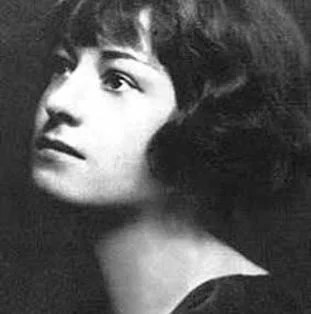
“Only name the day, and we’ll fly away
In the face of old traditions,
To a sheltered spot, by the world forgot,
Where we’ll park our inhibitions.
Come and gaze in eyes where the lovelight lies
As it psychoanalyzes,
And when once you glean what your fantasies mean
Life will hold no more surprises.
When you’ve told your love what you’re thinking of
Things will be much more informal;
Through a sunlit land we’ll go hand-in-hand,
Drifting gently back to normal.
While the pale moon gleams, we will dream sweet dreams,
And I’ll win your admiration,
For it’s only fair to admit I’m there
With a mean interpretation.
In the sunrise glow we will whisper low
Of the scenes our dreams have painted,
And when you’re advised what they symbolized
We’ll begin to feel acquainted.
So we’ll gaily float in a slumber boat
Where subconscious waves dash wildly;
In the stars’ soft light, we will say good-night—
And “good-night!” will put it mildly.
Our desires shall be from repressions free—
As it’s only right to treat them.
To your ego’s whims I will sing sweet hymns,
And ad libido repeat them.
With your hand in mine, idly we’ll recline
Amid bowers of neuroses,
While the sun seeks rest in the great red west
We will sit and match psychoses.
So come dwell a while on that distant isle
In the brilliant tropic weather;
Where a Freud in need is a Freud indeed,
We’ll always be Jung together. “.
( II ) : Parties: A Hymn of parties I hate
I hate Parties;
They bring out the worst in me.
There is the Novelty Affair,
Given by the woman
Who is awfully clever at that sort of thing.
Everybody must come in fancy dress;
They are always eleven Old-Fashioned Girls,
And fourteen Hawaiian gentlemen
Wearing the native costume
Of last season’s tennis clothes, with a wreath around the neck.
The hostess introduces a series of clean, home games:
Each participant is given a fair chance
To guess the number of seeds in a cucumber,
Or thread a needle against time,
Or see how many names of wild flowers he knows.
Ice cream in trick formations,
And punch like Volstead used to make
Buoy up the players after the mental strain.
You have to tell the hostess that it’s a riot,
And she says she’ll just die if you don’t come to her next party—
If only a guarantee went with that!
Then there is the Bridge Festival.
The winner is awarded an arts-and-crafts hearth-brush,
And all the rest get garlands of hothouse raspberries.
You cut for partners
And draw the man who wrote the game.
He won’t let bygones be bygones;
After each hand
He starts getting personal about your motives in leading clubs,
And one word frequently leads to another.
At the next table
You have one of those partners
Who says it is nothing but a game, after all.
He trumps your ace
And tries to laugh it off.
And yet they shoot men like Elwell.
There is the Day in the Country;
It seems more like a week.
All the contestants are wedged into automobiles,
And you are allotted the space between two ladies
Who close in on you.
The party gets a nice early start,
Because everybody wants to make a long day of it—
They get their wish.
Everyone contributes a basket of lunch;
Each person has it all figured out
That no one else will think of bringing hard-boiled eggs.
There is intensive picking of dogwood,
And no one is quite sure what poison ivy is like;
They find out the next day.
Things start off with a rush.
Everybody joins in the old songs,
And points out cloud effects,
And puts in a good word for the colour of the grass.
But after the first fifty miles,
Nature doesn’t go over so big,
And singing belongs to the lost arts.
There is a slight spurt on the homestretch,
And everyone exclaims over how beautiful the lights of the city look—
I’ll say they do.
And there is the informal little Dinner Party;
The lowest form of taking nourishment.
The man on your left draws diagrams with a fork,
Illustrating the way he is going to have a new sun-parlour built on;
And the one on your right
Explains how soon business conditions will better, and why.
When the more material part of the evening is over,
You have your choice of listening to the Harry Lauder records,
Or having the hostess hem you in
And show you the snapshots of the baby they took last summer.
Just before you break away,
You mutter something to the host and hostess
About sometime soon you must have them over—
Over your dead body.
I hate Parties;
They bring out the worst in me.
August :By Dorothy Parker ( 1893 – 1937 ): : : : When my eyes are weeds,
And my lips are petals, spinning
Down the wind that has beginning
Where the crumpled beeches start
In a fringe of salty reeds;
When my arms are elder-bushes,
And the rangy lilac pushes
Upward, upward through my heart;
Summer, do your worst!
Light your tinsel moon, and call on
Your performing stars to fall on
Headlong through your paper sky;
Nevermore shall I be cursed
By a flushed and amorous slattern,
With her dusty laces’ pattern
Trailing, as she straggles by.
— From Enough Rope :Boni & Liveright,1926:
— Dorothy Parker
“August”, An August Poem By Dorothy Parker ( August 22 , 1893 – June 7, 1967 ) is About The Poet’s conversation with Summer. There is a meadow of wild flowers rolling as far as the eyes can see, the sense of youth and eternity are entwined into one. Then colour and depth reach a sort of an understanding. The poem conveys of youth, its end too. : : : :
Notes for each of the Two Stanzas Pending visit this post again later on to enjoy the appreciation of the poem V Jayaraj Pune India April , 3 , 2023 : : : : : : : :
August Moonrise : Sara Teasdale : : August Poems: Months Poems : :

August Moonrise : By Sara Teasdale (1884-1933) : : : : : :
THE sun was gone, and the moon was coming
Over the blue Connecticut hills;
The west was rosy, the east was flushed,
And over my head the swallows rushed
This way and that, with changeful wills.
I heard them twitter and watched them dart
Now together and now apart
Like dark petals blown from a tree;
The maples stamped against the west
Were black and stately and full of rest,
And the hazy orange moon grew up
And slowly changed to yellow gold
While the hills were darkened, fold on fold
To a deeper blue than a flower could hold.
Down the hill I went, and then
I forgot the ways of men,
For night-scents, heady, and damp and cool
Wakened ecstasy in me
On the brink of a shining pool.
O Beauty, out of many a cup
You have made me drunk and wild
Ever since I was a child,
But when have I been sure as now
That no bitterness can bend
And no sorrow wholly bow
One who loves you to the end?
And though I must give my breath
And my laughter all to death,
And my eyes through which joy came,
And my heart, a wavering flame;
If all must leave me and go back
Along a blind and fearful track
So that you can make anew,
Fusing with intenser fire,
Something nearer your desire;
If my soul must go alone
Through a cold infinity,
Or even if it vanish, too,
Beauty, I have worshipped you.
Let this single hour atone
For the theft of all of me.
— Sara Teasdale
“August Moon”, An August Poem By Sara Teasdale (1884-1933), is About Adopting a Romantic view of nature in witnessing the moon rising over the Connecticut hills. : ; August Moonrise describes a moonlit walk she took through the countryside, overcome by the beauty of the landscape she resolves that she could die having witnessed it.
The moon often symbolizes God, but the moon has more positive connotations than the sun , the God. In “The Rime of the Ancient Mariner,” the sun and the moon represent two sides of the Christian God: the sun represents the angry, wrathful God, whereas the moon represents the benevolent, repentant God.
Written in 1916, Teasdale had recently returned from a stay in Cromwell, Connecticut, where she had gone to escape from her marriage for a while. Ernst Filsinger , her husband since they married in 1914, was working desperately to arrange his affairs as his business failed and Teasdale wrote to him often expressing her longing to see him, and concern about him working so much.
August Moonrise describes a moonlit walk she took through the countryside, overcome by the beauty of the landscape she resolves that she could die having witnessed it ; thus feeling lucky enough to watch the August Moonrise.
The Summer at night is always nice ( maybe even better than the heat of afternoon ). Plants, trees green and explicit birds. A Moon one can linger with long enough that you feel that if you stay the night you could watch it change its phase.The scene-painting gets even more painterly next. Sunset, moonrise. The final palette: “a deeper blue than a flower could hold.” Is that merely a beautiful picture or a statement of more blue than can be sustained?
Teasdale’s singer in the poem is drawn in (note, she goes “down,” descends to it, even though the preceding birds, trees, sunset, moonrise are all things normally above the horizon) because it’s her, or because it will become her. The poem reaches , a level of happiness. One line here : “I forgot the ways of men” is so rich in ambiguity.
This happiness, this brief period of intoxicated leaving of all but the senses is portrayed as a consolation. The last section seemed dark—and not in the pretty moonlight way. : : After the poem’s midpoint , the words hit ; and they are : : ” bitterness, sorrow, death, wavering, blind, fearful, fire, cold, vanish.”: : We enter that section that is full of darkness and then it loses , and that is imperfection. Is this section spiritually sublime or just harrowing ?
Notes for each of the lines Pending visit this post again later on to enjoy the appreciation of the poem V Jayaraj Pune India April 2 , 2023 : : : : : : : :
In August : Paul Laurence Dunbar : : August Poems: : Months Poems: :

Paul Laurence Dunbar (June 27, 1872 – February 9, 1906) was an American poet, novelist, and short story writer of the late 19th and early 20th centuries. Born in Dayton, Ohio, to parents who had been enslaved in Kentucky before the American Civil War, Dunbar began writing stories and verse when he was a child. He published his first poems at the age of 16 in a Dayton newspaper, and served as president of his high school’s literary society. : : : : published his first book at twenty. His writing attracted attention from the very beginning, and Paul became well-known in both America and around the world. Like James Whitcomb Riley, who was a fan of his young contemporary’s work, Paul wrote many of his poems in dialect. Besides a dozen books of poetry, Paul wrote four short story collections, five novels, a play, and the first Broadway musical ever written and performed by African-Americans. A tremendously successful poet whose work was being published in all the major literary publications of his day, was the son of African parents who had been slaves prior to the American Civil War. Dunbar also wrote novels and plays, as well as penning the lyrics for the 1903 musical comedy, In Dahomey – the first all-African-American musical that was ever produced on Broadway.
But it was as a poet – one of the first internationally popular African-American poets – that Dunbar would achieve real fame and success. He died young, of tuberculosis, aged just 33. Here is one of Dunbar’s most widely anthologised poems written in standard English (Dunbar also wrote poems in his local African-American dialect), ‘A Summer’s Night’. : ; : ,: ” We Wear the Mask” , written in 1895 and included in Dunbar’s 1896 collection Majors and Minors. In the poem, Dunbar writes about the fact that many members of a marginalised community (which can be tacitly understood to mean the Black community in this context) are forced to hide their true feelings from the wider world. : : : : ” “We wear the mask that grins and lies,
It hides our cheeks and shades our eyes,—
This debt we pay to human guile;
With torn and bleeding hearts we smile,
And mouth with myriad subtleties.” : : : : wear a ‘mask’, he says: we adopt a particular persona which smiles but is, in fact, a lie, because it hides the suffering (‘torn and bleeding hearts’) behind the mask.
The mask we wear, Dunbar’s speaker tells us, also covers the true nature of our faces and it shades our eyes – obscuring our own vision, as well as others’ perception of us. This is the price we pay for humans being capable of such dishonesty and deceit. We make countless (‘myriad’) small changes to our speech and choice of words when we talk, to hide who we really are.
Why should the world be over-wise,
In counting all our tears and sighs?
Nay, let them only see us, while
We wear the mask. speaker asks why should everyone we meet in the world have to know of all our suffering and hardship? No: instead, let them see us only when we have put on our ‘mask’ which conceals our true selves.
“We smile, but, O great Christ, our cries
To thee from tortured souls arise.
We sing, but oh the clay is vile
Beneath our feet, and long the mile;
But let the world dream otherwise,
We wear the mask!” : : : …………………….: : : : The Speaker states that we all smile, but our cries to Jesus Christ come from tormented and suffering individuals. Although we sing, the earth is unpleasant beneath our feet as we walk, and the journey we make is long and hard.
However, let us hide these harsh realities from the world and pretend that all is well, and wear the mask which conceals these unpleasant facts from everyone
In August ; : Paul Laurence Dunbar : : : :. When August days are hot an’ dry,
When burning copper is the sky,
I ‘d rather fish than feast or fly
In airy realms serene and high.
I ‘d take a suit not made for looks,
Some easily digested books,
Some flies, some lines, some bait, some hooks,
Then would I seek the bays and brooks.
I would eschew mine every task,
In Nature’s smiles my soul should bask,
And I methinks no more could ask,
Except—perhaps—one little flask.
In case of accident, you know,
Or should the wind come on to blow,
Or I be chilled or capsized, so,
A flask would be the only go.
Then could I spend a happy time,—
A bit of sport, a bit of rhyme
(A bit of lemon, or of lime,
To make my bottle’s contents prime).
When August days are hot an’ dry,
I won’t sit by an’ sigh or die,
I ‘ll get my bottle (on the sly)
And go ahead, and fish, and lie!
” In August”An August Poem Paul Laurence Dunbar is About alluring vision of a hot August Day .
Notes for each of the 6 Stanzas Pending visit this post again later on to enjoy the appreciation of the poem V Jayaraj Pune India March
August Moon : Emma Lazarus : : August Poems : : Months Poems : :
August Moon : :By Emma Lazarus : : : :
Look! the round-cheeked moon floats high,
In the glowing August sky,
Quenching all her neighbor stars,
Save the steady flame of Mars.
White as silver shines the sea,
Far-off sails like phantoms be,
Gliding o’er that lake of light,
Vanishing in nether night.
Heavy hangs the tasseled corn,
Sighing for the cordial morn;
But the marshy-meadows bare,
Love this spectral-lighted air,
Drink the dews and lift their song,
Chirp of crickets all night long;
Earth and sea enchanted lie
‘Neath that moon-usurped sky.
To the faces of our friends
Unfamiliar traits she lends-
Quaint, white witch, who looketh down
With a glamour all her own.
Hushed are laughter, jest, and speech,
Mute and heedless each of each,
In the glory wan we sit,
Visions vague before us flit;
Side by side, yet worlds apart,
Heart becometh strange to heart.
Slowly in a moved voice, then,
Ralph, the artist spake again-
‘Does not that weird orb unroll
Scenes phantasmal to your soul?
As I gaze thereon, I swear,
Peopled grows the vacant air,
Fables, myths alone are real,
White-clad sylph-like figures steal
‘Twixt the bushes, o’er the lawn,
Goddess, nymph, undine, and faun.
Yonder, see the Willis dance,
Faces pale with stony glance;
They are maids who died unwed,
And they quit their gloomy bed,
Hungry still for human pleasure,
Here to trip a moonlit measure.
Near the shore the mermaids play,
Floating on the cool, white spray,
Leaping from the glittering surf
To the dark and fragrant turf,
Where the frolic trolls, and elves
Daintily disport themselves.
All the shapes by poet’s brain,
Fashioned, live for me again,
In this spiritual light,
Less than day, yet more than night.
What a world! a waking dream,
All things other than they seem,
Borrowing a finer grace,
From yon golden globe in space;
Touched with wild, romantic glory,
Foliage fresh and billows hoary,
Hollows bathed in yellow haze,
Hills distinct and fields of maize,
Ancient legends come to mind.
Who would marvel should he find,
In the copse or nigh the spring,
Summer fairies gamboling
Where the honey-bees do suck,
Mab and Ariel and Puck?
Ah! no modern mortal sees
Creatures delicate as these.
All the simple faith has gone
Which their world was builded on.
Now the moonbeams coldly glance
On no gardens of romance;
To prosaic senses dull,
Baldur’s dead, the Beautiful,
Hark, the cry rings overhead,
‘Universal Pan is dead!”
‘Requiescant!’ Claude’s grave tone
Thrilled us strangely. ‘I am one
Who would not restore that Past,
Beauty will immortal last,
Though the beautiful must die-
This the ages verify.
And had Pan deserved the name
Which his votaries misclaim,
He were living with us yet.
I behold, without regret,
Beauty in new forms recast,
Truth emerging from the vast,
Bright and orbed, like yonder sphere,
Making the obscure air clear.
He shall be of bards the king,
Who, in worthy verse, shall sing
All the conquests of the hour,
Stealing no fictitious power
From the classic types outworn,
But his rhythmic line adorn
With the marvels of the real.
He the baseless feud shall heal
That estrangeth wide apart
Science from her sister Art.
Hold! look through this glass for me?
Artist, tell me what you see?’
‘I!’ cried Ralph. ‘I see in place
Of Astarte’s silver face,
Or veiled Isis’ radiant robe,
Nothing but a rugged globe
Seamed with awful rents and scars.
And below no longer Mars,
Fierce, flame-crested god of war,
But a lurid, flickering star,
Fashioned like our mother earth,
Vexed, belike, with death and birth.’
Rapt in dreamy thought the while,
With a sphinx-like shadowy smile,
Poet Florio sat, but now
Spake in deep-voiced accents slow,
More as one who probes his mind,
Than for us-‘Who seeks, shall find-
Widening knowledge surely brings
Vaster themes to him who sings.
Was veiled Isis more sublime
Than yon frozen fruit of Time,
Hanging in the naked sky?
Death’s domain-for worlds too die.
Lo! the heavens like a scroll
Stand revealed before my soul;
And the hieroglyphs are suns-
Changeless change the law that runs
Through the flame-inscribed page,
World on world and age on age,
Balls of ice and orbs of fire,
What abides when these expire?
Through slow cycles they revolve,
Yet at last like clouds dissolve.
Jove, Osiris, Brahma pass,
Races wither like the grass.
Must not mortals be as gods
To embrace such periods?
Yet at Nature’s heart remains
One who waxes not nor wanes.
And our crowning glory still
Is to have conceived his will.’
Emma Lazarus
“August Moon” An August Poem By Emma Lazarus ( 1848 – 1887 ) Best-known for her sonnet written for the (then new) Statue of Liberty, ‘The New Colossus’, Lazarus (1848-87) is About the Poet’s eulogy to the August Night. : : : :
Notes on Each of the 4 Stanzas Pending visit this post again later on to enjoy the appreciation of the poem V Jayaraj Pune India March 31 , 2023 : ,: : : : : : :
An August Midnight : Thomas Hardy : : August Poems : : Months Poems : :

And all the while he wrote—novels, poems, short stories, plays, an autobiography. With a life that spanned the Victorian Era, the turn of the century, and World War I, Hardy lived 87 years and died in 1928.

Thomas Hardy

A longlegs, a moth, and a dumbledore; 4
While ‘mid my page there idly stands
A sleepy fly, that rubs its hands” : : : : Thomas Hardy : : saving the dumbledore, at least in the poem.
An August Midnight : : By Thomas Hardy : : : :
I
A shaded lamp and a waving blind,
And the beat of a clock from a distant floor:2
On this scene enter–winged, horned, and spined –
A longlegs, a moth, and a dumbledore; 4
While ‘mid my page there idly stands
A sleepy fly, that rubs its hands . . . 6
II
Thus meet we five, in this still place,
At this point of time, at this point in space. 8
– My guests parade my new-penned ink,
Or bang at the lamp-glass, whirl, and sink. 10
“God’s humblest, they!” I muse. Yet why?
They know Earth-secrets that know not I. 12
Thomas Hardy
“An August Midnight” Written in 1899 , 1901 Published August Poem, By Thomas Hardy is About Man’s Relationship with Nature, featured in Hardy’s second poetry collection called Poems of the Past and the Present. Poems of the Past and the Present is an extensive collection, which includes a wide variety of topics and is divided into five headings. This collection includes some of Hardy’s most powerful poems. : The Poem is a memory in the Summer Evening in the company of Insects. Insects have a crucial role in Nature being as important as the Poet himself. They are anthropomorphised , that is endowing with human characteristics being the “guests” and the fly “rubs its hands”. : : The insects possess supernatural understanding of ‘Earth-secrets’, that are denied humans. ” They know Earth-secrets that know not I.” ( As Stated in last line 12 ) : : : :
The metrical rhythm is varied, a mix of iambs (one unstressd followed by one stressed syllable) and anapaests (two unstressed following by a stressed syllable. These form tetrameters, that is, four metrical feet per line.The effect is a sporadic rhythm that, perhaps, matches the movement of the insects.
The rhyme scheme differs in each stanza, the first forming the pattern ABABCC, the second AABBCC. The effect of this is to vary the mood, initially descriptive, but then philosophical.
Stanza 1 : : “A shaded lamp and a waving blind,. 1
And the beat of a clock from a distant floor:2
On this scene enter–winged, horned, and spined – 3
A longlegs, a moth, and a dumbledore; 4
While ‘mid my page there idly stands 5
A sleepy fly, that rubs its hands . . .” 6 : : lines 1 To 6 : : : :
The Opening scene consists of 1 ) “A shaded lamp” , 2 ) ” a waving blind..” ; as stated in ( line 1 ) : 3 ) “And the beat of a clock from a distant floor : ” as stated ( in line 2 ) : : wherein enter the Four guests enter – ” winged, horned,,and spined” ( line 3 ) , with these three characteristics ( 1 ) A longlegs , 2) a moth, and 3 ) a Dumbledore” , that is , a bumblebee , and ” While ‘ mid my page .. . idly stands ( line 5 ) with three human characteristics : 4 ) “A sleepy fly, that rubs its hands.. . ” ( line 6 ) : : ( example of personification ) : : : :
Stanza 2 : : ” Thus meet we five, in this still place, 7
At this point of time, at this point in space. 8
– My guests parade my new-penned ink, 9
Or bang at the lamp-glass, whirl, and sink. 10
“God’s humblest, they!” I muse. Yet why? 11
They know Earth-secrets that know not I ” 12 : : lines 7 To 12 : : : :
“Thus meet we five, in this still place.” In calm writing place ( line 7 ) ” At this point of time , at this point in space.” ( line 8 ) which is a description in a specific time and space above the encountering of Five living being , 4 Insects that are guested to One Human. The “guests parade his new- penned ink.” ( line 9 ) : : or ” bang at the lamp – , whirl, and sink.” ( line 10 ) : : Here , notable sounds ( in line 10 ) are Of : 1) knocking ( “bang at the lamp – glass ) , 2 ) swirling around ( “whirl” ) , and soft descending ( “sink” ) Movements Of The Four Insects Guests. : : The whirly , twiddly knocking sounds would maintain influence skillfully over The Poet in a manner Pulling his Strings in his favour within their hymnal relationships . : : As in the next line , The Poet says “God’s humblest, they!” I muse. Yet why?” 11: : “Muse”is a source of inspiration for the Writer / The Poet ; here He knows them in his mindset of the specific relationship with these Guests From Nature. In a shorter operatic accompaniments : The poet has described this scene showily , “My guests parade my new-penned ink,” ( line 9 ) : Meaning, The 3 Insects guests ostentatiously wooed and embraced his befriended host proudly around his “new – penned ink” / A sleepy fly stand ( on ) ” idly mid page”of writing with what The Poet will describe their insectan relationship , musically with a human being. : : The Poet feels for the insects and has honourably marked their ‘modesty’ as with “God’s humblest, they!” ( line 11 ) being impressed with their inspiration and by pulling his Strings . He acknowledges their wisdom in the last ( line 12 ) , “They know Earth-secrets that know not I”) ; Meaning , they possess God given ‘supernatural understanding’ that has been denied to the Humans. That is why , as a Poet , he has to gain this thoughtful and reflective quality from the Arthropods like Insects in the Animal Kingdom of the living beings on the Earth. : : : :
“August Midnight”An August Poem By Thomas Hardy Information Appreciation and poem Analysis Presented by V Jayaraj Pune India March 30, 2023 : ,: : : : : : :
August : Algernon Charles Swinburne : : August Poems : : Months Poems : :


That neither is most to blame,
If you have forgotten my kisses
And I have forgotten your name.” : : : : : : : “And a bird overhead sang Follow,
And a bird to the right sang Here;
And the arch of the leaves was hollow,
And the meaning of May was clear. ” : : : : : : : : “At the door of life, by the gate of breath,
There are worse things waiting for men than death.” : : : : : : : : ” Ask nothing more of me sweet;
All I can give you I give;
Heart of my heart were it more,
More would be laid at your feet..” : : : : : : : : : ” That no life lives forever;
That dead men rise up never;
That even the weariest river
Winds somewhere safe to sea.” : : ” But now, you are twain, you are cloven apart
Flesh of his flesh, but heart of my heart.” : : ”
August
Algernon Charles Swinburne – 1837-1909
There were four apples on the bough,
Half gold half red, that one might know
The blood was ripe inside the core;
The colour of the leaves was more
Like stems of yellow corn that grow
Through all the gold June meadow’s floor.
The warm smell of the fruit was good
To feed on, and the split green wood,
With all its bearded lips and stains
Of mosses in the cloven veins,
Most pleasant, if one lay or stood
In sunshine or in happy rains.
There were four apples on the tree,
Red stained through gold, that all might see
The sun went warm from core to rind;
The green leaves made the summer blind
In that soft place they kept for me
With golden apples shut behind.
The leaves caught gold across the sun,
And where the bluest air begun,
Thirsted for song to help the heat;
As I to feel my lady’s feet
Draw close before the day were done;
Both lips grew dry with dreams of it.
In the mute August afternoon
They trembled to some undertune
Of music in the silver air;
Great pleasure was it to be there
Till green turned duskier and the moon
Coloured the corn-sheaves like gold hair.
That August time it was delight
To watch the red moons wane to white
’Twixt grey seamed stems of apple-trees;
A sense of heavy harmonies
Grew on the growth of patient night,
More sweet than shapen music is.
But some three hours before the moon
The air, still eager from the noon,
Flagged after heat, not wholly dead;
Against the stem I leant my head;
The colour soothed me like a tune,
Green leaves all round the gold and red.
I lay there till the warm smell grew
More sharp, when flecks of yellow dew
Between the round ripe leaves had blurred
The rind with stain and wet; I heard
A wind that blew and breathed and blew,
Too weak to alter its one word.
The wet leaves next the gentle fruit
Felt smoother, and the brown tree-root
Felt the mould warmer: I too felt
(As water feels the slow gold melt
Right through it when the day burns mute)
The peace of time wherein love dwelt.
There were four apples on the tree,
Gold stained on red that all might see
The sweet blood filled them to the core:
The colour of her hair is more
Like stems of fair faint gold, that be
Mown from the harvest’s middle floor.
“August”, An August Poem , By Algernon Charles Swinburne (1837-1909), famed for banisters ,erotic Poems, and controversial Ballads in paganism or heathenism ( religions other than Christianity, Judaism and Islam ) and masochism ; is About an intense variant of late Romanticism in hymn to “August”.: :
Notes for each of the 11 Stanzas Pending visit this post again later on to enjoy the appreciation of the poem V Jayaraj Pune India March 29 , 2023 : : : : : : : :
The Shepherd’s Calendar : August : John Clare : : August Poems : : Months Poems : :

In 1820 his first book, Poems Descriptive of Rural Life and Scenery, was published and created a stir. Clare visited London, where he enjoyed a brief season of celebrity in fashionable circles. He made some lasting friends, among them Charles Lamb, and admirers raised an annuity for him. That same year he married Martha Turner, the daughter of a neighbouring farmer, the “Patty of the Vale” of his poems. From then on he encountered increasing misfortune. His second volume of poems, The Village Minstrel (1821), attracted little attention. His third, The Shepherd’s Calendar; with Village Stories, and Other Poems (1827), though containing better poetry, met with the same fate. His annuity was not enough to support his family of seven children and his dependent father, so he supplemented his income as a field labourer and tenant farmer. Poverty and drink took their toll on his health. His last book, The Rural Muse (1835), though praised by critics, again sold poorly; the fashion for peasant poets had passed. Clare began to suffer from fears and delusions. In 1837, through the agency of his publisher, he was placed in a private asylum at High Beech, Epping, where he remained for four years. Improved in health and driven by homesickness, he escaped in July 1841. He walked the 80 miles to Northborough, penniless, eating grass by the roadside to stay his hunger. He left a moving account in prose of that journey, addressed to his imaginary wife “Mary Clare.” At the end of 1841 he was certified insane. He spent the final 23 years of his life at St. Andrew’s Asylum, Northampton, writing, with strangely unquenched lyric impulse, some of his best poetry. : : : : ( From britanica.com ) : : : :
His rediscovery in the 20th century was begun by Arthur Symons’s selection of 1908, a process continued by Edward Thomas and Edmund Blunden at a date when World War I had revived the earlier enthusiasm for a poetry of directly apprehended rustic experience : : : : scholars now recognize Clare as an important poet and prose writer. “As an observer of what it was like in England in the early nineteenth century, not only for the peasant but also from a peasant point of view, he is irreplaceable,” declared Thornton. In Clare’s prose, Thornton concluded, “we… see reflected there in sharp clarity the very essence of a period, a place, a language, a culture, and a time.” : :


The Shepherd’s Calendar : August : : : : : : : : : : By John Clare : ( 1793 – 1864 ) : : : : : :
Harvest approaches with its bustling day
The wheat tans brown and barley bleaches grey
In yellow garb the oat land intervenes
And tawney glooms the valley thronged with beans
Silent the village grows, wood wandering dreams
Seem not so lovely as its quiet seems
Doors are shut up as on a winters day
And not a child about them lies at play
The dust that winnows neath the breezes feet
Is all that stirs about the silent street
Fancy might think that desert spreading fear
Had whisperd terrors into quiets ear
Or plundering armys past the place had come
And drove the lost inhabitants from home
The fields now claim them where a motley crew
Of old and young their daily tasks pursue
The barleys beard is grey and wheat is brown
And wakens toil betimes to leave the town
The reapers leave their beds before the sun
And gleaners follow when home toils are done
To pick the littered ear the reaper leaves
And glean in open fields among the sheaves
The ruddy child nursed in the lap of care
In toils rude ways to do its little share
Beside its mother poddles oer the land
Sun burnt and stooping with a weary hand
Picking its tiney glean of corn or wheat
While crackling stubbles wound its legs and feet
Full glad it often is to sit awhile
Upon a smooth green baulk to ease its toil
And feign would spend an idle hour to play
With insects strangers to the moiling day
Creeping about each rush and grassy stem
And often wishes it was one of them
In weariness of heart that it might lye
Hid in the grass from the days burning eye
That raises tender blisters on his skin
Thro holes or openings that have lost a pin
Free from the crackling stubs to toil and glean
And smiles to think how happy it had been
Whilst its expecting mother stops to tye
Her handful up and waiting his supply
Misses the resting younker from her side
And shouts of rods and morts of threats beside
Pointing to the grey willows while she tells
His fears shall fetch one if he still rebells
Picturing harsh truths in its unpracticed eye
How they who idle in the harvest lye
Shall well deserving in the winter pine
Or hunt the hedges with the birds and swine
In vain he wishes that the rushes height
Were tall as trees to hide him from her sight
Leaving his pleasant seat he sighs and rubs
His legs and shows scratchd wounds from piercing stubs
To make excuse for play but she disdains
His little wounds and smiles while he complains
And as he stoops adown in troubles sore
She sees his grief and bids him sob no more
As bye and bye on the next sabbath day
She’ll give him well earned pence as well as play
When he may buy almost with out a stint
Sweet candied horehound cakes and pepper mint
Or streaking sticks of lusious lolipop
What ere he chuses from the tempting shop
Wi in whose diamond winder shining lye
Things of all sorts to tempt his eager eye
Rich sugar plumbs in phials shining bright
In every hue young fancys to delight
Coaches and ladys of gilt ginger bread
And downy plumbs and apples streaked with red
Such promises all sorrows soon displace
And smiles are instant kindled in his face
Scorning all troubles which he felt before
He picks the trailing ears and mourns no more
The fields are all alive with busy noise
Of labours sounds and insects humming joys
Some oer the glittering sickle sweating stoop
Startling full oft the partridge coveys up
Some oer the rustling scythe go bending on
And shockers follow where their toils have gone
First turning swaths to wither in the sun
Where mice from terrors dangers nimbly run
Leaving their tender young in fears alarm
Lapt up in nests of chimbled grasses warm
And oft themselves for safty search in vain
From the rude boy or churlish hearted swain
Who beat their stone chinkd forks about the groun(
And spread an instant murder all around
Tho oft the anxious maidens tender prayer
Urges the clown their little lives to spare
Who sighs while trailing the long rake along
At scenes so cruel and forgets her song
And stays wi love his murder aiming hand
Some ted the puffing winnow down the land
And others following roll them up in heaps
While cleanly as a barn door beesome sweeps
The hawling drag wi gathering weeds entwind
And singing rakers end the toils behind
When the sun stoops to meet the western sky
And noons hot hours have wanderd weary bye
They seek an awthorn bush or willow tree
Or stouk or shock where coolest shadows be
Where baskets heapd and unbroachd bottles lye
Which dogs in absence watchd with wary eye
To catch their breath awhile and share the boon
Which beavering time alows their toil at noon
All gathering sit on stubbs or sheaves the hour
Where scarlet poppys linger still in flower
Stript in his shirt the hot swain drops adown
And close beside him in her unpind gown
Next to her favoured swain the maiden steals
Blushing at kindness which her love reveals
Who makes a seat for her of things around
And drops beside her on the naked ground
Wearied wi brambles catching at her gown
And pulling nutts from branches pulld adown
By friendly swain the maid Wi heaving breast
Upon her lovers shoulder leans at rest
Then from its cool retreat the beer they bring
And hand the stout hooped bottle round the ring
Each swain soaks hard-the maiden ere she sips
Shrieks at the bold whasp settling on her lips
That seems determined only hers to greet
As if it fancied they were cherrys sweet
So dog forgoes his sleep awhile or play
Springing at frogs that rustling jump away
To watch each morsel that the boon bestows
And wait the bone or crumb the shepherd throws
For shepherds are no more of ease possest
But share the harvests labours with the rest
When day declines and labour meets repose
The bawling boy his evening journey goes
At toils unwearied call the first and last
He drives his horses to their nights repast
In dewey close or meadow to sojourn
And often ventures on his still return
Oer garden pales or orchard walls to hie
When sleeps safe key hath locked up dangers eye
All but the mastiff watching in the dark
Who snufts and knows him and forbears to bark
With fearful haste he climbs each loaded tree
And picks for prizes which the ripest be
Pears plumbs or filberts covered oer in leams
While the pale moon creeps high in peaceful dreams
And oer his harvest theft in jealous light
Fills empty shadows with the power to fright
And owlet screaming as it bounces nigh
That from some barn hole pops and hurries bye
Scard at the cat upon her nightly watch
For rats that come for dew upon the thatch
He hears the noise and trembling to escape
While every object grows a dismal shape
Drops from the tree in fancys swiftest dread
By ghosts pursued and scampers home to bed
Quick tumbling oer the mossy mouldering wall
And looses half his booty in the fall
Where soon as ere the morning opes its eyes
The restless hogs will happen on the prize
And crump adown the mellow and the green
And makes all seem as nothing ne’er had been
Amid the broils of harvests weary reign
How sweet the sabbath wakes its rest again
For each weary mind what rapture dwells
To hear once more its pleasant chiming bells
That from each steeple peeping here and there
Murmur a soothing lullaby to care
The shepherd journying on his morning rounds
Pauses awhile to hear their pleasing sounds
While the glad childern free from toils employ
Mimic the ding dong sounds and laugh for joy
The fields themselves seem happy to be free
Where insects chatter with unusual glee
While solitude the stubbs and grass among
Apears to muse and listen to the song
In quiet peace awakes the welcomed morn
Men tired and childern with their gleaning worn
Weary and stiff lye round their doors the day
To rest themselves with little heart for play
No more keck horns in homestead close resounds
As in their school boy days at hare and hounds
Nor running oer the street from wall to wall
With eager shouts at ‘cuck and catch the ball’
In calm delight the sabbath wears along
Yet round the cross at noon a tempted throng
Of little younkers with their pence repair
To buy the downy plumb and lucious pear
That melt i’ th mouth-which gardners never fail
For gains strong impulse to expose for sale
And on the circling cross steps in the sun
Sit when the parson has his sermon done
When grandams that against his rules rebell
Come wi their baskets heapd wi fruit to sell
That thither all the season did pursue
Wi mellow goosberrys of every hue
Green ruffs and raspberry reds and drops of gold
That makes mouths water often to behold
Sold out to clowns in totts oft deemd too small
Who grudging much the price eat husks and all
Nor leaves a fragment round to cheer the eye
Of searching swine that murmurs hungry bye
And currans red and white on cabbage leaves
While childerns fingers itches to be thieves
And black red cherrys shining to the sight
As rich as brandy held before the light
Now these are past he still as sunday comes
Sits on the cross wi baskets heapd wi plumbs
And Jenitens streakd apples suggar sweet
Others spice scented ripening wi the wheat
And pears that melt ith’ mouth like honey which
He oft declares to make their spirits itch
They are so juicy ripe and better still
So rich they een might suck em thro a quill
Here at their leisure gather many a clown
To talk of grain and news about the town
And here the boy wi toils earnd penny comes
In hurrying speed to purchase pears or plumbs
And oer the basket hangs wi many a smile
Wi hat in hand to hold his prize the while
Not so the boys that begs for pence in vain
Of deaf eard dames that threat while they complain
Who talk of the good dinners they have eat
And wanting more as nothing but consiet
Vowing they ne’er shall throw good pence away
So bids them off and be content wi play
Reaching her rod that hangs the chimney oer
And scaring their rude whinings to the door
Who sob aloud and hang their hats adown
To hide their tears and sawn along the town
Venturing wi sullen step his basket nigh
And often dipping a desiring eye
Stone hearted dames thrifts errors to believe
Who make their little bellys yearn to thieve
But strong temptation must to fears resign
For close beside the stocks in terror shine
So choaking substitutes for loss of pelf
He keeps his hungry fingers to himself
And mopes and sits the sabbath hours away
Wi heart too weary and too sad for play
So sundays scenes and leisure passes bye
In rests soft peace and home tranquillity
Till monday morning doth its cares pursue
And wakes the harvests busy toils anew
John Clare
11 July Poems : : Various Poets : : Months Poems : :
*From My Diary, July 1914 : : Wilfred Owen
Leaves
Murmuring by miriads in the shimmering trees.
Lives
Wakening with wonder in the Pyrenees.
Birds
Cheerily chirping in the early day.
Bards
Singing of summer, scything thro’ the hay.
Bees
Shaking the heavy dews from bloom and frond.
Boys
Bursting the surface of the ebony pond.
Flashes
Of swimmers carving thro’ the sparkling cold.
Fleshes
Gleaming with wetness to the morning gold.
A mead
Bordered about with warbling water brooks.
A maid
Laughing the love-laugh with me; proud of looks.
The heat
Throbbing between the upland and the peak.
Her heart
Quivering with passion to my pressed cheek.
Braiding
Of floating flames across the mountain brow.
Brooding
Of stillness; and a sighing of the bough.
Stirs
Of leaflets in the gloom; soft petal-showers;
Stars
Expanding with the starr’d nocturnal flowers.
Wilfred Owen Thursday, April 1, 2010
** Zermat: To The Matterhorn (June-July, 1897) : : By Thomas Hardy : :
Thirty-two years since, up against the sun,
Seven shapes, thin atomies to lower sight,
Labouringly leapt and gained thy gabled height,
And four lives paid for what the seven had won.
They were the first by whom the deed was done,
And when I look at thee, my mind takes flight
To that day’s tragic feat of manly might,
As though, till then, of history thou hadst none.
Yet ages ere men topped thee, late and soon
Thou watch’dst each night the planets lift and lower;
Thou gleam’dst to Joshua’s pausing sun and moon,
And brav’dst the tokening sky when Caesar’s power
Approached its bloody end: yea, saw’st that Noon
When darkness filled the earth till the ninth hour.
Thomas Hardy Saturday,
*** Fishing On The Susquehanna In July : : Billy Colin’s : :
I have never been fishing on the Susquehanna
or on any river for that matter
to be perfectly honest.
Not in July or any month
have I had the pleasure — if it is a pleasure —
of fishing on the Susquehanna.
I am more likely to be found
in a quiet room like this one —
a painting of a woman on the wall,
a bowl of tangerines on the table —
trying to manufacture the sensation
of fishing on the Susquehanna.
There is little doubt
that others have been fishing
on the Susquehanna,
rowing upstream in a wooden boat,
sliding the oars under the water
then raising them to drip in the light.
But the nearest I have ever come to
fishing on the Susquehanna
was one afternoon in a museum in Philadelphia,
when I balanced a little egg of time
in front of a painting
in which that river curled around a bend
under a blue cloud-ruffled sky,
dense trees along the banks,
and a fellow with a red bandana
sitting in a small, green
flat-bottom boat
holding the thin whip of a pole.
That is something I am unlikely
ever to do, I remember
saying to myself and the person next to me.
Then I blinked and moved on
to other American scenes
of haystacks, water whitening over rocks,
even one of a brown hare
who seemed so wired with alertness
I imagined him springing right out of the frame.
Billy Collins
**** The Shepherds Calendar – July (2nd Version) : : by John Clare
July the month of summers prime
Again resumes her busy time
Scythes tinkle in each grassy dell
Where solitude was wont to dwell
And meadows they are mad with noise
Of laughing maids and shouting boys
Making up the withering hay
With merry hearts as light as play
The very insects on the ground
So nimbly bustle all around
Among the grass or dusty soil
They seem partakers in the toil
The very landscape reels with life
While mid the busy stir and strife
Of industry the shepherd still
Enjoys his summer dreams at will
Bent oer his hook or listless laid
Beneath the pastures willow shade
Whose foliage shines so cool and grey
Amid the sultry hues of day
As if the mornings misty veil
Yet lingered in their shadows pale
Or lolling in a musing mood
On mounds where saxon castles stood
Upon whose deeply buried walls
The ivyed oaks dark shadow falls
Oft picking up with wondering gaze
Some little thing of other days
Saved from the wreck of time-as beads
Or broken pots among the weeds
Of curious shapes-and many a stone
Of roman pavements thickly sown
Oft hoping as he searches round
That buried riches may be found
Tho search as often as he will
His hopes are dissapointed still
And marking oft upon his seat
The insect world beneath his feet
In busy motion here and there
Like visitors to feast or fair
Some climbing up the rushes stem
Hugh steeples height or more to them
With speed that sees no fear to drop
Till perched upon its spirey top
Where they awhile the view survey
Then prune their wings and flit away
Others journying too and fro
Among the grassy woods below
Musing as if they felt and knew
The pleasant scenes they wandered thro
Where each bent round them seems to be
Hugh as a jiant timber tree
While pismires from their castles come
In crowds to seek the litterd crumb
Which he on purpose drops that they
May hawl the heavy loads away
Shaping the while their dark employs
To his own visionary joys
Picturing such a life as theirs
As free from summers sweating cares
And inly wishing that his own
Coud meet with joys so thickly sown
Sport seems the all that they pursue
And play the only work they do
The cowboy still cuts short the day
In mingling mischief with his play
Oft in the pond with weeds oer grown
Hurling quick the plashing stone
To cheat his dog who watching lies
And instant plunges for the prize
And tho each effort proves as vain
He shakes his coat and dives again
Till wearied with the fruitless play
Then drops his tail and sneaks away
Nor longer heeds the bawling boy
Who seeks new sports with added joy
And on some banks oer hanging brow
Beats the whasps nest with a bough
Till armys from the hole appear
And threaten vengance in his ear
With such determined hue and cry
As makes the bold besieger flye
Elsewhere fresh mischief to renew
And still his teazing sports pursue
Pelting with excessive glee
The squirrel on the wood land tree
Who nimbles round from grain to grain
And cocks his tail and peeps again
Half pleased as if he thought the fray
Which mischief made was meant for play
Till scared and startled into flight
He instant hurries out of sight
Thus he his leisure hour employs
And feeds on busy meddling joys
While in the willow shaded pool
His cattle stand their hides to cool
Loud is the summers busy song
The smalles breeze can find a tongue
Where insects of each tiney size
Grow teazing with their melodys
Till noon burns with its blistering breath
Around and day dyes still as death
The busy noise of man and brute
Is on a sudden lost and mute
The cuckoo singing as she flies
No more to mocking boy replys
Even the brook that leaps along
Seems weary of its bubbling song
And so soft its waters creep
Tired silence sinks in sounder sleep
The cricket on its banks is dumb
The very flies forget to hum
And save the waggon rocking round
The lanscape sleeps without a sound
The breeze is stopt the lazy bough
Hath not a leaf that dances now
The totter grass upon the hill
And spiders threads are standing still
The feathers dropt from more hens wing
Which to the waters surface cling
Are stedfast and as heavy seem
As stones beneath them in the stream
Hawkweeds and Groundsells fanning downs
Unruffled keep their seedy crowns
And in the oven heated air
Not one light thing is floating there
-Save that to the earnest eye
The restless heat seems twittering bye
Noon swoons beneath the heat it made
And flowers een wither in the shade
Untill the sun slopes in the west
Like weary traveler glad to rest
On pillard clouds of many hues
Then natures voice its joy renews
And checkerd field and grassy plain
Hum with their summer songs again
A requiem to the days decline
Whose setting sun beams cooly shine
A welcome to days feeble powers
As evening dews on thirsty flowers
Now to the pleasant pasture dells
Where hay from closes sweetly smells
Adown the pathways narrow lane
The milking maiden hies again
With scraps of ballads never dumb
And rosey cheeks of happy bloom
Tanned brown by summers rude embrace
That adds new beautys to her face
And red lips never paled with sighs
And flowing hair and laughing eyes
That oer full many a heart prevailed
And swelling bosom loosly veiled
White as the love it harbours there
Unsullied with the taints of care
The mower gives his labour oer
And on his bench beside the door
Sits down to see his childern play
Or smokes his leisure hour away
While from her cage the blackbird sings
That on the wood bine arbour hings
And all with happy joys receive
The quiet of a summers eve
John Clare
***** To The Fourth Of July
Behold, the dark clouds melt away,
That gathered thick at night, and hung
So like a gloomy pall above the earth!
Before thy magic touch, the world
Awakes. The birds in chorus sing.
The flowers raise their star-like crowns-
Dew-set, and wave thee welcome fair.
The lakes are opening wide in love
Their hundred thousand lotus-eyes
To welcome thee, with all their depth.
All hail to thee, thou Lord of Light!
A welcome new to thee, today,
O sun! today thou sheddest LIBERTY!
Bethink thee how the world did wait,
And search for thee, through time and clime.
Some gave up home and love of friends,
And went in quest of thee, self banished,
Through dreary oceans, through primeval forests,
Each step a struggle for their life or death;
Then came the day when work bore fruit,
And worship, love, and sacrifice,
Fulfilled, accepted, and complete.
Then thou, propitious, rose to shed
The light of FREEDOM on mankind.
Move on, O Lord, on thy resistless path!
Till thy high noon o’erspreads the world.
Till every land reflects thy light,
Till men and women, with uplifted head,
Behold their shackles broken, and
Know, in springing joy, their life renewed!
Swami Vivekananda Sunday, April 29, 2012
****** Silent Steps
Have you not heard his silent steps?
He comes, comes, ever comes.
Every moment and every age,
every day and every night he comes, comes, ever comes.
Many a song have I sung in many a mood of mind,
but all their notes have always proclaimed,
`He comes, comes, ever comes.’
In the fragrant days of sunny April through the forest path he comes,
comes, ever comes.
In the rainy gloom of July nights on the thundering chariot of clouds
he comes, comes, ever comes.
In sorrow after sorrow it is his steps that press upon my heart,
and it is the golden touch of his feet that makes my joy to shine.
Rabindranath Tagore Thursday, January 1, 2004
******* Charms
She walks as lightly as the fly
Skates on the water in July.
To hear her moving petticoat
For me is music’s highest note.
Stones are not heard, when her feet pass,
No more than tumps of moss or grass.
When she sits still, she’s like the flower
To be a butterfly next hour.
The brook laughs not more sweet, when he
Trips over pebbles suddenly.
My Love, like him, can whisper low —
When he comes where green cresses grow.
She rises like the lark, that hour
He goes halfway to meet a shower.
A fresher drink is in her looks
Than Nature gives me, or old books.
When I in my Love’s shadow sit,
I do not miss the sun one bit.
When she is near, my arms can hold
All that’s worth having in this world.
And when I know not where she is,
Nothing can come but comes amiss.
William Henry Davies Friday, January 3, 2003
******** hence We Do So
My eyes are full of dream
Darling, that you know
Hence I am in love so…
You sweet girl! I can not let you go….Noone I want but you here in this fast moving earth….hold my hand….. Embrace me…..I am close to your heart darling! Yours beauty I love….
We need proximity
Swollen waves of love promising
To realize how flesh and spirit mingle.
How the two become one!
How perceptions sparkle!
Fire storm of passion how make rhythm.
How erupt our dormant volcano!
When we walk, hand in hand, green nature witness- our motion synchronous. Birds chirping, oscillation of green boughs, whisper of breeze, all together produce symphony. ‘Dolce & Gabbana’s ‘the one’ in the air…. We move in pleasure, our touches therapeutic, we need to get free from…..
And glory to calamity that opens our vision!
Silence beckons; Time smiles
We drink love
We
sink
in love.
Tenderly I touch…..let you know my kisses can chase away all of your fatigue and pain…..You are in heaven…We travel…We fly…. Our blood cells dance……Entwined we in deep….`Look how delights peep….Over and over…You wonder- how much love in you my dear! How you love so much!
My answer- I am created, I am selected, I am directed, You too……Hence we do so….
july-2009
sarwar chowdhury Wednesday, July 1, 2009 , Bangladesh.
********* On A Wet July Morn
It had rained all night
And drenched the land outright
Leaving puddles and pools,
Here, there and everywhere.
But the morning saw
The sun blazing ever more bright.
I watched the water
Flowing silently away
With no ostentation
Along channels, furrows and waterways
Cavities, crevices and culverts
And through ditches and drains.
What little remained,
Seeped down unnoticed
Through innumerable pores unseen.
As prisoners from narrow cells
Suddenly released into boundless space
Or troops from a garrison
On a spurt of fresh attack
The children shut indoors
Came out in gangs
To romp, jump and play.
Unmindful of anything,
They soon lost in a wave of giggles.
But how sudden was the change!
The sky over cast with dark clouds
Fired out like a water cannon.
Once more the rain,
Cascaded down with greater vengeance
Each drop weighing gallons
And the silver needles pricking deep
Making the children flee
In directions all round
Like autumn leaves
Scattered by the wind!
The rain continued to pour
Inundating the low lying lands
Oh! Mother Nature
How erratic are your moods
How unpredictable
How like a child throwing tantrums
And how quickly appeased!
Valsa George Wednesday, June 19, 2013
********** Apples
Behold the apples’ rounded worlds:
juice-green of July rain,
the black polestar of flowers, the rind
mapped with its crimson stain.
The russet, crab and cottage red
burn to the sun’s hot brass,
then drop like sweat from every branch
and bubble in the grass.
They lie as wanton as they fall,
and where they fall and break,
the stallion clamps his crunching jaws,
the starling stabs his beak.
In each plump gourd the cidery bite
of boys’ teeth tears the skin;
the waltzing wasp consumes his share,
the bent worm enters in.
I, with as easy hunger, take
entire my season’s dole;
welcome the ripe, the sweet, the sour,
the hollow and the whole.
Laurie Lee
*********** The Months
January brings the snow,
makes our feet and fingers glow.
February brings the rain,
Thaws the frozen lake again.
March brings breezes loud and shrill,
stirs the dancing daffodil.
April brings the primrose sweet,
Scatters daises at our feet.
May brings flocks of pretty lambs,
Skipping by their fleecy damns.
June brings tulips, lilies, roses,
Fills the children’s hand with posies.
Hot july brings cooling showers,
Apricots and gillyflowers.
August brings the sheaves of corn,
Then the harvest home is borne.
Warm september brings the fruit,
Sportsmen then begin to shoot.
Fresh October brings the pheasents,
Then to gather nuts is pleasent.
Dull November brings the blast,
Then the leaves are whirling fast.
Chill December brings the sleet,
Blazing fire, and Christmas treat.
Sara Coleridge
 MADHU MALTI