Clear Skies : : Rice Oxley Timothy James / Hughes Richard David / Chaplin Tom : Keane : Lyrics Video (1) : Live UK Forest Tour (2010) : (2) : Illustrative Video Song : (3) : : Summer Time Classic : : SKY SONGS : (1) : :

Clear Skies: From the 2010 Album ( Night Train )
Clear Blue sky with leafed trees and drying grass , “piece by piece”
Blue Clear Sky with white burning sun ! nowhere to run!?
High on a bell tower with red & yellow buildings Under the Blue Clear Sky
Pinkish Orange Smoked Clouds in a Blue sky
Sunrise making difference in the background atmosphere of blue Clear Skies

https://youtu.be/a5UGS6KfUBc

High on the bell tower
I took my view
Over the downtowns
On the avenues
Where the streets are wide
And the people thrive
And it’s further to fall down
‘Cause you fly so high
I’ve never seen such beauty
I’ve never seen such clear skies
I’ve never seen such high hopes
I’ve never seen such tired eyes
And I wish that I could be
Everything you are
Everything you are
Down in the delta
The city wakes
Turns on the TV
As the levee breaks
Where the streets are burned
By the summer sun
And there’s nowhere to run to
When your time has come
I’ve never seen such beauty
I’ve never seen such clear skies
I’ve never seen such high hopes
I’ve never seen such tired eyes
Pulled the roots up piece by piece
Felt life washing over me
Took my pills and I went to sleep
Oh, I sang myself to sleep
And I wish that I could be
Everything you are
Everything you are
And I wish that I could see
The world the way you do
As selfishly as you
Yeah, and I wish that I could be
Everything you are
Everything you are
And I wish that I could stick
My faith the way you do
As certainly as you
Clear skies gonna fall on you
On you
On you
Clear skies gonna fall on you
Clear skies…

Songwriters: Rice Oxley Timothy James / Hughes Richard David / Chaplin Tom : : : : ::Keane
https://youtu.be/i7cFWDlkIC8 CLICK HERE to enjoy the UK Forest Tour Live 3.11.2010::
Keane are an English alternative rock band from Battle, East Sussex, formed in 1997. The group currently comprises Tim Rice-Oxley (piano, synthesisers, backing vocals), Richard Hughes (drums, percussion, backing vocals), Jesse Quin (bass guitar, electric guitar, backing vocals) and Tom Chaplin (lead vocals, acoustic guitar). Their original line-up included founder and guitarist Dominic Scott, who left in 2001. : : : ; : : : : : : : : : : : : : : เชถเซเช‚ เชคเชฎเซ‡ เช•เซเชฏเชพเชฐเซ‡เชฏ เชธเซเชตเชšเซเช› เช†เช•เชพเชถ เชคเชฐเชซ เชœเซ‹เชฏเชพ เช•เชฐเชคเชพ เชฐเชนเซ€เชจเซ‡ เชธเชพเช‚เชœ เชตเชฟเชคเชพเชตเซ€ เช›เซ‡? เชšเช‚เชฆเซเชฐ, เชเช• เช•เซ‡ เชฌเซ‡ เช—เซเชฐเชน เช…เชจเซ‡ เชธเซเช‚เชฆเชฐ เชšเชฎเช•เชคเชพ เชคเชพเชฐเชพเช“เชจเซเช‚ เช…เชตเชฒเซ‹เช•เชจ เช•เชฐเชตเซเช‚ เช เชเช• เชฎเช‚เชคเซเชฐเชฎเซเช—เซเชง เช•เชฐเชจเชพเชฐ เช…เชจเซเชญเชต เช›เซ‡. Its a mesmerizing experience in observing the Clear Skies , or even if it’s cloudy , about to fall ( Ofcourse with a rain ) .

เชœเซเชฏเชพเชฐเซ‡ เช†เช•เชพเชถ brilliant crystal Blue เชฆเซ‡เช–เชพเชต เชฆเซ‡ เชคเซเชฏเชพเชฐเชจเซ‹ เช‰เช˜เชพเชก เชฆเซ‡เชคเซ‹ เชฆเชฟเชตเชธ : Sunny Day ! ! เช…เชฅเชตเชพ เชธเซ‚เชฐเซเชฏเซ‹เชฆเชฏ เชธเชฎเชฏเซ‡ เชฒเชพเชฒ เช†เช•เชพเชถ ( เชšเชฟเชคเซเชฐเชฎเชพเช‚ เชœเซเช“ เชคเซ‹โ€Œ .. .). เชตเชฐเชธเชพเชฆเชจเชพ เชฆเชฟเชตเชธเซ‡ เชชเชฃ, เชฐเชšเชพเชคเชพ เช˜เซเชฎเชฐเชพเชคเชพ Swirling เชตเชพเชฆเชณเซ‹ เชญเชฐเซเชฏเซเช‚ เช†เช•เชพเชถ !!!! You will be stopped In your Ways .

เช†เช•เชพเชถ เชเช• เช…เชฆเซเชญเซเชค เชตเชธเซเชคเซ เช›เซ‡. เช†เชชเชฃเชพ เชจเซเชนเชพเชจเชพเชฒเชพเชฒ เช•เชตเชฟ เช เชคเซ‹ เช•เช‚เชˆ เช•เซ‡เชŸเชฒเซเช‚ เชฒเช–เซเชฏเซเช‚ เช›เซ‡ เช†เช•เชพเชถ เชตเชฟเชถเซ‡ , เช†เช•เชพเชถเซ‡เชฅเซ€ เช…เช‚เช•เชพเชคเซ€ เชŠเชฐเซเชฎเชฟเชฒ (เชฌ.เช•.เช เชพ) เชฒเชพเช—เชฃเซ€เช“ เชœเซ‡ เชฌเชนเซเชงเชพ เช†เชงเซเชฏเชพเชคเซเชฎเชฟเช•เชคเชพเชจเชพ เชตเชฟเชฐเชพเชŸ เชจเชพ เชนเชฟเช‚เชกเซ‹เชณเชพ เชชเชฐ เช•เซ‡เชŸเชฒเซ€ เช…เชฆเชญเซ‚เชค เชฐเซ€เชคเซ‡ เชนเซˆเชฏเชพเช‚ เชจเซ‡ เชเชพเช•เชฎเชเซ‹เชณ เช•เชฐเซ€ เชฐเชพเช–เซ‡ !! เช†เช•เชพเชถ เชจเชฟเชฐเช‚เชคเชฐ เชฌเชฆเชฒเชพเชคเซเช‚ เชฐเชนเซ‡ เช›เซ‡ . Just check up ! It’s FREE. เชงเซเชฏเชพเชจ เช†เชชเชตเชพ , เชฎเชจเซเชทเซเชฏเชจเซ‡ เชคเซ‡เชจเซ‡ เชฒเชพเชฏเช• เชฌเชจเชพเชตเซ€ เชถเช•เซ‡ เชคเซ‡เชจเซ€ เช—เซ‡เชฐเช‚เชŸเซ€. เชชเซเชฐเชธเซเชคเซเชค เช—เซ€เชค : : Clear Skies : https://youtu.be/Bf04aUZMIVQ CLICK HERE to enjoy the Video Song in HD : : : : : : : : : : :: เชคเซ‡ เช…เชฎเซ‡เชฐเชฟเช•เชจ dream เชตเชฟเชถเซ‡ เชนเซ‹เชฏ เชถเช•เซ‡ : America is considered as a land of opportunities , across the world around. เช—เซเชœเชฐเชพเชคเซ€ เชฒเซ‹เช• เชชเชฃ เชคเซเชฏเชพเช‚ เชชเชนเซ‹เช‚เชšเชตเชพ เช•เซ‡เชŸเชฒเชพเช‚ เช‰เชคเชพเชตเชณเชพ เช›เซ‡ เชคเซ‡ เชœเชพเชฃเซ€เช เช›เซ€เช. เชชเชฐเช‚เชคเซ , เชธเซเชตเชชเซเชจเชจเซ€ เชชเชพเช›เชณ เชนเช‚เชฎเซ‡เชถเชพ เชเช• เชฆเซเชƒเชธเซเชตเชชเซเชจ เชนเซ‹เชฏ เช›เซ‡ . เช† เช—เซ€เชค เชฎเชพเชŸเซ‡, เชธเซเชตเชšเซเช› เช†เช•เชพเชถ เชธเซเชตเชชเซเชจ เช›เซ‡: The clear skies is the dream. เชชเชฐเช‚เชคเซ เชธเซเชตเชชเซเชจเชจเชพ เชŸเซ‚เช•เชกเซ‡ เชŸเซ‚เช•เชกเชพ เช•เชฐเชตเชพ เชœเชพเชฃเซ‡ เช•เซ‡ เชเช• เชคเซ‹เชซเชพเชจ เช†เชตเชจเชพเชฐ เช›เซ‡ ; เชœเซ‡เชจเซ€ เชงเชพเชธเซเชคเซ€ เชฐเชนเซ‡เชถเซ‡. เชœเซเชฏเชพเชฐเซ‡ , เชเช• เชœเช—เซเชฏเชพเชเชฅเซ€ เชฌเซ€เชœเซ€ เชœเช—เซเชฏเชพเช เชซเชฐเชตเชพ เชœเชตเชพเชจเซ‹ เชฎเชนเชพเชตเชฐเซ‹ เชฐเชพเช–เซเชฏเซ‹ เชนเซ‹เชฏ เชคเซเชฏเชพเชฐเซ‡, เชœเซ‡ เชธเซเชฅเชณเซ‹ เชœเซเช“ เช›เซ‹ เชคเซ‡เชจเชพเชฅเซ€ “เช†เชถเซเชšเชฐเซเชฏเชšเช•เชฟเชค เชฅเชˆ เชœเชพเชต” เชจเซ€ เชฒเชพเช—เชฃเซ€, เช…เชจเซ‡ เช•เชฆเชพเชš เชคเซ‡ เชคเซ‡ เชธเซเชฅเชณ เชธเชพเชฅเซ‡ เชœเซ‹เชกเชพเชฏเซ‡เชฒเชพ เชฐเชนเซ‡เชตเชพเชจเซ€ เชฎเชนเซ‡เชšเซเช›เชพเช“เชจเซ‡ เชชเซเชฐเชคเชฟเชฌเชฟเช‚เชฌเชฟเชค เชฅเชคเซ€ เชœเซ‹เชˆ เช›เซ‡ เช…เชจเซ‡ เชคเซ‡ เชธเซเชฅเชณเซ‡ เชฐเชนเซ‡เชจเชพเชฐ เชœเซเชฏเชพเช‚ เช›เซ‡ เชคเซ‡เชจเซ€ เช•เชฆเชฐ เชจเชฅเซ€ เช•เชฐเชคเชพ เชเชฎ เชนเซ‹เชฏ เชคเซเชฏเชพเชฐเซ‡ เชชเชฃ !! เชถเชนเซ‡เชฐเชจเซ€ , เช…เชจเซ‡ เชฎเชนเชพเชจเช—เชฐเชจเซ€ เชชเซเชฐเช—เชคเชฟเชถเซ€เชฒ เช†เชงเซเชจเชฟเช• เชธเซเช‚เชฆเชฐเชคเชพเชจเซ€ เช†เช•เซƒเชคเชฟเช“ เชจเซเช‚ เช–เซ‡เช‚เชšเชพเชฃ เชœเชฌเชฐเชœเชธเซเชค เชฐเชนเซ€ เชถเช•เซ‡. เชคเซ‡เชฎเชพเช‚ เชœเซ€เชตเชจเชจเซ€ เชเชกเชชเซ€ เช—เชคเชฟเชถเซ€เชฒ เช‰เชคเซเชคเซ‡เชœเชจเชพ เชชเชฃ เช‰เชฎเซ‡เชฐเซ‹ เช•เชฐเชคเซ€ เช‰เชชเชธเซเชฅเชฟเชค เชฅเชพเชฏ ; เช…เชจเซ‡ ” เช‰เช‚เชšเซ€ เช‰เชกเชพเชจ เชญเชฐเซ‹ เช›เซ‹ “: :”and it’s further to fall down, ’cause you fly so high”:: are referring to how glamorous and exciting everything seems, and how high people in the city appear to live, but how that can shatter in an instant, and come crashing down around them. “I’ve never seen such high hopes/tired eyes” supports this as well, because I see it as people in the city having big dreams, and working hard to attain them, often with an apparent or with little success, making them tired and embittered.”burning sun: nowhere to run”; “Clear skies gonna fall on you” is the dream inevitably falling apart, and crashing down on the person. Roots pulling piece by piece : : เชธเซ‹เชจเซ‡เชฐเซ€ เชธเชชเชจเชพเช“ เชฎเซ‹เชŸเซ€ เช†เชถเชพ , เชฅเชพเช•เซ‡เชฒเซ€ เชจเชœเชฐเซ‹ เชธเช–เชค เชชเชฐเชฟเชถเซเชฐเชฎ เช…เชจเซ‡ เชจเชฟเชธเซเชคเซ‡เชœ เชšเชนเซ‡เชฐเชพ right under the Clear Skies : : ” As selfishly as you
Yeah, and I wish that I could be
Everything you are
Everything you are
And I wish that I could stick
My faith the way you do
As certainly as you ” : : : : Eane’s “Clear Skies” : : เช…เชฐเซเชฅ เชจเชฟเชฐเซเชฆเซ‡เชถ เช†เชธเซเชตเชพเชฆ เช•เชพเชตเซเชฏเชพเชฐเซเชฅ เชตเชฟเชšเชพเชฐ เชตเชฟ เชœเชฏเชฐเชพเชœ : : เชฎเซ‡ เซจเซฆ , เซจเซฆเซจเซจ : : เชตเซˆเชถเชพเช– เชตเชฆ เชชเชพเช‚เชšเชฎ : : เชชเซ‚เชฃเซ‡ เชˆเชจเซเชกเชฟเชฏเชพ : ; Poem information Appreciation and poem Analysis V Jayaraj Pune India : : May 20 , 2022 : : : : : : : :

Vincent : Starry Starry Night ( tribute to Vincent van Gogh : Don Mclean : American Pie ( Album ) 1971 : Video (1) & (2) : : Ellie Goulding : (3) : : Jasmine Thompson and Ryan keen : Duet : (4) : : Summer Time Classic : :

https://youtu.be/oxHnRfhDmrk

Starry, starry night
Paint your palette blue and grey
Look out on a summer’s day
With eyes that know the darkness in my soul
Shadows on the hills
Sketch the trees and the daffodils
Catch the breeze and the winter chills
In colors on the snowy linen land

Now I understand
What you tried to say to me
And how you suffered for your sanity
And how you tried to set them free
They would not listen, they did not know how
Perhaps they’ll listen now

Starry, starry night
Flaming flowers that brightly blaze
Swirling clouds in violet haze
Reflect in Vincent’s eyes of china blue
Colors changing hue
Morning fields of amber grain
Weathered faces lined in pain
Are soothed beneath the artist’s loving hand

Now I understand
What you tried to say to me
And how you suffered for your sanity
And how you tried to set them free
They would not listen, they did not know how
Perhaps they’ll listen now

For they could not love you
But still your love was true
And when no hope was left in sight
On that starry, starry night
You took your life, as lovers often do
But I could have told you, Vincent
This world was never meant for one
As beautiful as you

Starry, starry night
Portraits hung in empty halls
Frameless heads on nameless walls
With eyes that watch the world and can’t forget
Like the strangers that you’ve met
The ragged men in ragged clothes
A silver thorn, a bloody rose
Lie crushed and broken on the virgin snow

Now I think I know
What you tried to say to me
And how you suffered for your sanity
And how you tried to set them free
They would not listen, they’re not listening still
Perhaps they never will

— Vincent Lyrics as written by Don Mclean: It’s openingย  refrain, “Starry, Starry Night”, a reference to Van Gogh’s 1889 painting The Starry Night.McLean wrote the lyrics in 1971 after reading a book about the life of Van Gogh. It was released on McLean’s 1971 American Pie album; the following year, the song topped the UK Singles Chart for two weeks, and peaked at No. 12 in the United States, where it also hit No. 2 on the Easy Listening chart. Billboard ranked it as the No. 94 song for 1972.

The song makes use mainly of the guitar, but also includes the accordion, marimba, and strings.

In July 2020, the original handwritten lyrics went up for sale for $1.5 million. McLean said the following about the genesis of the song:

“In the autumn of 1970 I had a job singing in the school system, playing my guitar in classrooms. I was sitting on the veranda one morning, reading a biography of Van Gogh, and suddenly I knew I had to write a song arguing that he wasn’t crazy. He had an illness and so did his brother Theo. This makes it different, in my mind, to the garden variety of ‘crazy’ โ€“ because he was rejected by a woman [as was commonly thought]. So I sat down with a print of Starry Night and wrote the lyrics out on a paper bag.”.ย ย ย ย ย ย ย ย ย ย ย ย ย ย ย ย ย ย ย ย ย ย ย ย ย ย ย ย ย ย ย ย ย ย ย ย ย ย ย ย ย ย ย ย ย ย ย ย ย ย ย ย ย ย ย ย ย ย ย  The Telegraph wrote: “With its bittersweet palette of major and minor chords, “Vincent”‘s soothing melody is one of high emotion recollected in tranquillity”. AllMusic retrospectively described the song as “McLean’s paean to Van Gogh … sympathiz[ing] with Van Gogh’s suicide as a sane comment on an insane world.” The site also said McLean performs “a particularly poignant rendition” of “Vincent” on the 2001 live album Starry, Starry Night.

The song was a particular favorite of the rapper and actor Tupac Shakur, and was played to him in the University Medical Center of Southern Nevada, the hospital where Tupac was admitted just before he died of gunshot wounds from a drive-by shooting.

https://youtu.be/ddGcwoNHofMย ย ย ย  CLICK HERE to view another Lyrics Video with Van Gogh ‘s Paintings in the background ::ย ย  https://youtu.be/bw8zr1n-MFoย ย ย  CLICK HERE to view the Cover With Lyrics Video:: Vocals : Ellie Goulding : : For The Don Mclean’s Song : Vincent : released on Valentine’s day : 2018 : : McLean tweeted to Goulding saying “‘Vincent’ is not an easy song to sing and you sing it very beautifully.” She included her cover in her 2020 Songbook for Christmas EP. : : : : : : : : :: https://youtu.be/gaDj7sARiWUย ย ย  CLICK HERE , 16 December 2018, Jasmine Thompson and Ryan Keenย  duet cover performed for their YouTube Channel. : : : : เช…เชฐเซเชฅ เชจเชฟเชฐเซเชฆเซ‡เชถ เช†เชธเซเชตเชพเชฆ เช•เชพเชตเซเชฏเชพเชฐเซเชฅ เชตเชฟเชšเชพเชฐ เชธเช‚เช•เชฒเชจ เชตเชฟ เชœเชฏเชฐเชพเชœ : : เชตเชฟเชจเซเชธเซ‡เชจเซเชŸ เชตเชพเชจ เช—เซ‹เช—เชจเซ€ โ€Œเชเช• เช‰เชšเซเชš เชธเซเชคเชฐเชจเชพ เชšเชฟเชคเซเชฐเช•เชพเชฐ เชคเชฐเซ€เช•เซ‡ เชœเซ€เชตเชตเชพเชจเซ€ เชญเชพเชฐเซ‡ เชฎเชฅเชพเชฎเชฃ เช…เชจเซ‡ เชœเชฟเช‚เชฆเช—เซ€เชญเชฐเชจเซ€ เชœเชนเซ‡เชฎเชค เชตเชฟเชถเซเชตเชจเซ‡ เชคเซ‡เชจเซ€ เชฌเชพเชฏเซ‹เช—เซเชฐเชพเชซเซ€ เชฒเช–เซ€ เชจเซ‡ เชˆเชฐเชตเชฟเช‚เช— เชธเซเชŸเซ‹เชจ เชฐเชœเซ เช•เชฐเซ€ , เช…เชจเซ‡ เชฆเซเชจเชฟเชฏเชพเชจเชพ เช•เชฒเชพเชตเชฟเชถเซเชตเซ‡ เช†เช—เชณ เชœเชคเชพเช‚ เชคเซ‡เชจเซเช‚ เชฎเซเชฒเซเชฏเชพเช‚เช•เชจ เชชเชฃ เช•เชฐเซเชฏเซเช‚ , เชตเชพเชจ เช—เซ‹เช— เชจเซเช‚ เชเช• เชœ เชชเซ‡เช‡เชจเซเชŸเชฟเช‚เช— เชเชจเชพ เชœเซ€เชตเชจเช•เชพเชณ เชฆเชฐเชฎเชฟเชฏเชพเชจ เช–เชฐเซ€เชฆเชพเชฏเซ‡เชฒเซ ; เชตเชณเซ€ เชเชจเชพ เชชเชฐ เชธเซเช•เชฟเชเซ‹เชซเซเชฐเซ‡เชจเชฟเชฏเชพเช• เชชเชพเช—เชฒเชชเชฃเซเช‚ เชจเซเช‚ label เชคเซ‹ เชฐเชนเซเชฏเชพ เชœ เช•เชฐเซเชฏเซเช‚. Don Mclean เช† เช—เซ€เชค เชฆเซเชตเชพเชฐเชพ เชตเชพเชจ เช—เซ‹เช— เชจเซ€ เชฎเชฅเชพเชฎเชฃ เชจเซ‡ , เช†เชฐเซเชŸเซ€เชธเซเชŸ เชคเชฐเซ€เช•เซ‡เชจเชพ เชธเช‚เช˜เชฐเซเชท เช…เชจเซ‡ เชฎเชฟเชœเชพเชœ เชจเซ‡ เชจเชตเซ‡เชธเชฐเชฅเซ€ เชเช• เชœเซเชฆเชพ เชชเชฐเชฟเชชเซเชฐเซ‡เช•เซเชทเซเชฏเชฎเชพเช‚ เชฎเซเช•เซ€ เช†เชชเซ€เชจเซ‡ เชธเชพเชšเซ€ เช•เชฆเชฐ เช•เชฐเชคเซ€ เชชเชฟเช›เชพเชฃ เชคเชฐเซ€เช•เซ‡ เชฐเชœเซ เช•เชฐเซ€ เช›เซ‡ : : Verse 1 : : “Starry, starry night / Paint your palette blue and grey” เช—เซ€เชคเชจเซ€ เชชเซเชฐเชฅเชฎ เชชเช‚เช•เซเชคเชฟ เชคเชพเชฐเชพ เชœเชกเชฟเชค เชฐเชพเชค เชจเซ‡ เชคเซ‡เชจเซ€ เชชเชพเชธเซ‡เชจเซ€ blue grey palette เชญเซ‚เชฐเซ€ เชญเซ‚เช–เชฐเซ€ เชจเชฟเชธเซเชคเซ‡เชœ เชชเชฐเชฟเชชเชพเชŸเซ€เชฎเชพเช‚ เชคเซˆเชฏเชพเชฐ เชฐเช‚เช—เซ‹เชจเซเช‚ เชฎเชฟเชถเซเชฐเชฃ เช‰เชชเชพเชกเซ€เชจเซ‡ เช˜เซเชฎเชฐเชพเชคเซ เช•เชฐเซ€ เชญเชฐเซ€ เช†เชชเซ€เชจเซ‡ เชเช• เชšเชฟเชคเซเชฐ เชฐเชšเชตเชพ เช•เชนเซเชฏเซเช‚ เช›เซ‡ ; เชœเซ‡เชฎเชพเช‚เชจเซ€ เช‰เชฒเซเชฒเชพเชธเชนเชฟเชจเชคเชพ เชงเซเชฏเชพเชจ เช–เซ‡เช‚เชšเซ‡ เช›เซ‡. “Look out on a summer’s day/With eyes that know the darkness in my soul.” : เชฌเช‚เชจเซ‡ เชชเช‚เช•เซเชคเชฟเช“ ‘dark theme’ เช…เชจเซ‡ ‘depression’ : เช˜เซ‡เชฐเซ€ , เช–เชฟเชจเซเชจ , เชงเซ‚เช‚เชงเชณเซ€ เช—เชฎเช—เซ€เชจเซ€ เช…เชจเซ‡ เช‰เชฆเชพเชธเซ€เชจเชคเชพ เชœเซ‡ เชตเชพเชจ เช—เซ‹เช— เชจเซ€ เชฒเชพเช•เซเชทเชฃเชฟเช•เชคเชพเช“ เช›เซ‡ เชคเซ‡เชจเซ‡ เชธเซ‚เชšเชตเซ‡ เช›เซ‡. เชคเซ‡เชฎเชพเช‚เชจเซเช‚ เชธเช‚เชญเชพเชทเชฃ , เชšเชฟเชคเซเชฐเช•เชพเชฐ เชจเซ‹ เช…เช‚เชฆเชฐเซเชจเซ€ เช…เชตเชพเชœ เช›เซ‡. Saint-Rรฉmy เชนเซ‹เชธเซเชชเชฟเชŸเชฒเชฎเชพเช‚ เชธเชพเชฐเชตเชพเชฐ เชฎเชพเชŸเซ‡ เชฐเชนเซ‡เชตเชพเชจเซเช‚ เช†เชตเซเชฏเซเช‚ เชคเซเชฏเชพเชฐเซ‡ , เชตเชพเชจ เช—เซ‹เช— เชจเซ‡ เชนเซ‹เชธเซเชชเชฟเชŸเชฒ เชจเซ€ เชฌเชนเชพเชฐ เชจเซ€เช•เชณเชตเชพ เช‰เชชเชฐ เชชเซเชฐเชคเชฟเชฌเช‚เชง เชนเชคเซ‹. เชเชŸเชฒเซ‡ , เชเชจเชพ เชฐเซ‚เชฎเชฎเชพเช‚ เชฐเชนเซ‡เชคเชพ Starry night เชจเซเช‚ เชฐเช‚เช—เชšเชฟเชคเซเชฐ เชฎเชพเชคเซเชฐ เชฏเชพเชฆ เช•เชฐเซ€เชจเซ‡ เชชเซเชฐเซเช‚ เช•เชฐเซ‡เชฒเซเช‚. “Look out on a summerโ€™s day
With eyes that know the darkness in my soul Shadows on the hills” : เซฉ/เซช/เซซเชชเช‚เช•เซเชคเชฟเช“ เชฎเชพเช‚ look out เชฅเซ€ เชถเชฐเซ‚ เชฅเชคเซเช‚ เชฌเชฏเชพเชจ เช† เชธเซ‚เชšเชตเซ‡ เช›เซ‡. “Sketch the trees and the daffodils” เซฌ เช เซเช เซ€ เชชเช‚เช•เซเชคเชฟ เชตเชพเชจ เช—เซ‹เช— เชจเชพ landscape paintings เชจเชพ เชธเช‚เชฆเชฐเซเชญ เชธเซ‚เชšเชตเซ‡ เช›เซ‡.” Catch the breeze and the winter chills
In colors on the snowy linen land “เซญ/เซฎ เช›เซ‡เชฒเซเชฒเซ€ เชฌเซ‡ เชชเช‚เช•เซเชคเชฟเช“ โ€œTwo Peasant Women Digging In a Snow-Covered Field at Sunsetโ€ เชชเซ‡เช‡เชจเซเชŸเชฟเช‚เช— เชจเซ‡ เช…เชจเซเชฒเช•เซเชทเซ€ เชจเซ‡ เช•เชนเซ€ เชนเซ‹เชฏ เชถเช•เซ‡ เช•เชพเชฐเชฃเช•เซ‡ ‘breeze’ เช…เชจเซ‡ ‘winter hills’ เชจเชพ เช‰เชฒเซเชฒเซ‡เช– เช›เซ‡. เชคเซเชฏเชพเชฐเชชเช›เซ€ เชจเชพ เชชเชนเซ‡เชฒเชพ chorus เชฎเชพเช‚ เซฌ เชชเช‚เช•เซเชคเชฟเช“ เช†เชตเซ‡ เช›เซ‡: “And how you suffered for your sanity
And how you tried to set them free” เชœเซ‡ “sanity” เชตเชฟเชถเซ‡ เช…เชจเซ‡ เชฌเซ€เชœเชพ chorus เชฎเชพเช‚ “On that starry, starry night
You took your life, as lovers often do”เชฎเชพเช‚ “suicide” เชตเชฟเชถเซ‡ เชจเชพ เช‰เชฒเซเชฒเซ‡เช–เซ‹ เชฎเชณเซ‡ เช›เซ‡; เชœเซ‡ schizophrenic disorder เชจเชพ เชธเช‚เชฆเชฐเซเชญเซ‡ เชธเชฎเชœเชพเชตเซเชฏเชพเช‚ เช›เซ‡. However, through his art, the artist tried to enlighten others โ€“ โ€œto set them freeโ€. He was diagnosed as insane and incarcerated in an asylum from 1889-90. But McLean realizes Van Goghโ€™s suffering was only made worse by confinement., during which he produced many paintings, including โ€œIrisesโ€ and โ€œThe Starry Nightโ€ that inspired this song. They would not listen/They did not know howโ€ refers to Van Goghโ€™s family and some associates who did not recognize his greatness during his lifetime, and were critical of his kindness to the wretched.
Due to the general lack of reception by his contemporaries, towards the end of his life, he became doubtful about his art:
โ€œIt is absolutely certain that I shall never do important thingsโ€, he wrote in a letter to a Paris critic who praised his work.
When he was alive, he was able to sell only one picture (The Red Vineyard). His brother Theo, an art dealer, believed in him, supported him most of his life. : : : : : :: VERSE 2 : :

“Starry, starry night
Flaming flowers that brightly blaze
Swirling clouds in violet haze
Reflect in Vincentโ€™s eyes of china blue
Colors changing hue
Morning fields of amber grain
Weathered faces lined in pain
Are soothed beneath the artistโ€™s loving hand”

In this verse there are references to other paintings : : Vincent Van Gogh had three โ€œStarry Nightโ€ drawings, because he also Painted โ€œStarry Night over the Rhoneโ€ and the โ€œCafe Terrace at Nightโ€, both painted in 1888 in Arles. : : : : โ€œFlaming flowers that brightly blazeโ€: The Sunflower Series. In that famous set of works Van Gogh employs luminous orange and yellow colours and seems to create powerful images of the sun itself, flaming and blazing, contained in the flowers and the painting. : : : : โ€œSwirling clouds in violet hazeโ€: Starry Night and Wheat Field with Cypresses. : :The wind in Starry Night may be the ‘Mistral’, a seasonal wind that passes through France every year (in some cases it is supposed to drive people mad). Mistral เช เชฆ. เชซเซเชฐเชพเชจเซเชธ เชฎเชพเช‚ เชตเชนเซ‡เชคเชพ เช‰เชคเซเชคเชฐ เช•เซ‡ เชตเชพเชฏเชตเซเชฏ เชจเชพ เช–เซ‚เชฌเชœ เช เช‚เชกเชพ เชชเชตเชจเซ‹ เช›เซ‡; เชœเซ‡ เช•เซ‡เชŸเชฒเชพเช• เชฒเซ‹เช•เซ‹ เชจเซ‡ เชฎเชพเชซเซเช• เช†เชตเชคเชพ เชจเชฅเซ€ .In the second painting, the dark green cypress tree in the corner may be an omen (เชญเชพเชตเชฟ เชจเซเช‚ เช…เชชเชถเซเช•เชจ) of death, since these trees are often placed i n cemeteries(เช•เชฌเซเชฐเชธเซเชคเชพเชจ) : : : : โ€œVincentโ€™s eyes of china blueโ€ refer to his self-portraits Although his eyes were blue, he would often change their hue to reflect his own moods and emotions. : : : : ::::::: : : : : : : : : : : โ€œField of amber grainโ€: Wheat Fields with Crows. This is one of Van Goghโ€™s darker creations: the black crows over the glowing fields with the threatening dark night encroaching are reflections of the stormy times in his life and mind. : : : : : : :: โ€œWeathered faces lined in pain/ are soothed beneath the artistโ€™s loving handโ€ These lines may allude to Van Goghโ€™s self-portraits, suggesting that the artist may have found some sort of consolation in creating portraits of himself or to the pain in the faces of โ€œThe Potato Eatersโ€, which depicts a hard-working Dutch farming family sitting in semi-darkness and eating their meager meal : : : : : ;:::: : : : BRIDGE : : : :

“For they could not love you
But still your love was true
And when no hope was left in sight
On that starry, starry night
You took your life, as lovers often do
But I couldโ€™ve told you Vincent
This world was never meant for
One as beautiful as you” : : : : : : :::::: : : : : : : This is Van Goghโ€™s tragic death. Love may refer to his compassion to the underprivileged members of his community, which is expressed in many of his pictures, or to the many romantic rejections from the women he loved, often because of his poverty, or else to the fact that he loved painting (but his paintings could never love him back). : : : : : : : : : : : : : In his last letter to his brother he wrote: โ€œWell, my own work, I am risking my life for it, and my reason has half foundered because of it.โ€

Van Gogh attempted suicide by shooting himself in the chest, which ultimately led to his death two days later. In describing his suicide as something โ€œlovers โ€ฆ doโ€, McLean might be talking about the painterโ€™s relationship with life. his passionate love for a world that simply wasnโ€™t meant for a man like him. : : : : : : : : : VERSE 3 : : : :

“Starry, starry night
Portraits hung in empty halls
Frame-less heads on nameless walls
With eyes that watch the world and canโ€™t forget
Like the strangers that youโ€™ve met
The ragged men in ragged clothes
The silver thorn of bloody rose
Lie crushed and broken on the virgin snow. Vincent van Gogh said โ€œOften it seems to me night is even more richly coloured than dayโ€ and that the desire to paint the starry sky kept haunting him. He wrote to his sister in 1888, โ€œHe seesโ€ฆunder the great starlit vault of heaven a something which after all one can only call God โ€“ and eternity in its place above the world.โ€ : : :::: ” The Portrait hung in empty hallsโ€ are there, but no one is noticing them and that solitude echoes the loneliness of all those self-portraits: Van Gogh was his only constant subject. Those poor canvasses without any recognition idle unframed: they will be at an exhibition only after his death.
Van Goghโ€™s artistic legacy is contained in his paintings, drawings and writings. They are everlasting and will never โ€œforgetโ€ the style that created them. They are Van Goghโ€™s eyes watching the world. : : : : ::::: : : ” The rugged man in ragged clothesโ€ and โ€œhow you tried to set them freeโ€ refer to his humanitarian activities and love of the socially outcast as also reflected in his work.

The โ€œ eyes that watch the world and canโ€™t forgetโ€ also refer to his unique way of watching the sky. : : : : : : : : :::::::: : : : : : : : : : : The two last lines recall a short story by Oscar Wilde (his contemporary): โ€œThe Nightingale and the Roseโ€ which talks about a loverโ€™s unappreciated token. The nightingale sacrifices its life when a thorn pierces its heart so that the barren rose tree can produce one red rose.
This may be an allusion to van Goghโ€™s famous act of sacrificing his ear for unreturned love and then presenting it to a prostitute. It may also mean that his artistic works were his unappreciated gift to the world. He also sacrificed his life after having tried to show and teach others, who โ€œwould not listenโ€ to him.

So, this is the story of Van Goghโ€™ eternal struggle: unrecognized as an artist until after his death. : : : : : : : : :::::::: : : : : : : : : : :::: OUTRO : : : :

Now I think I know
What you tried to say to me
And how you suffered for your sanity
And how you tried to set them free
They would not listen, theyโ€™re not listening still
Perhaps they never will

The lyrics suggest that Van Gogh was trying to โ€œset [people] freeโ€ with the message in his work, a message that is now clear to McLean: โ€œAnd now I understand what you tried to say to me.โ€ : : : : : : : : :::::::: : : : : : : : : Vincent : : The Starry Starry night ๐ŸŒƒ : : : : Don Mclean : : : : Song information Appreciation and poem Analysis : : V Jayaraj Pune India : : May 19 , 2022 : : : : : : : :

Summer Breeze : Seals & Crofts : : Summer Time Classic : :

Photo : Michael Ochs Archives / Getty images
Seals and Crofts

https://youtu.be/GQQbjpomexo

See the curtains hangin’ in the window
In the evenin’ on a Friday night
A little light a-shinin’ through the window
Lets me know everything’s alright

Summer breeze, makes me feel fine
Blowing through the jasmine in my mind
Summer breeze, makes me feel fine
Blowing through the jasmine in my mind

See the paper layin’ on the sidewalk
A little music from the house next door
So I walked on up to the doorstep
Through the screen and across the floor

Summer breeze, makes me feel fine
Blowing through the jasmine in my mind
Summer breeze, makes me feel fine
Blowing through the jasmine in my mind

Sweet days of summer, the jasmine’s in bloom
July is dressed up and playing her tune
And I come home from a hard day’s work
And you’re waiting there, not a care in the world

See the smile a-waitin’ in the kitchen
Food cookin’ and the plates for two
Feel the arms that reach out to hold me
In the evening when the day is through

Summer breeze, makes me feel fine
Blowing through the jasmine in my mind
Summer breeze, makes me feel fine
Blowing through the jasmine in my mind — Jimmy Seals & Darrell Crofts ( Lyrics/ Song Writers ) GENRE : Pop Folk Song : : #18 in the Rolling stones Top 55 Best Summer Songs Of All Time List Writes the Comments : : ” One of the signature soft-rock groups of the early Seventies, Jim Seals and Dash Crofts were childhood buddies from Texas who moved to California and had a huge hit with this sublimely mellow, CSN&Y-style ode to lazy, June-time domesticity. โ€œSummer Breezeโ€ rolled through the jasmine of Americaโ€™s mind in 1972, with an innocent melody played on a Toy Piano : :Long before it was a Disney princess, jasmine was a kind of flower that blooms in the summer. Also good for tea, Seals & Crofts use it to bring about feelings of contentment and harmony in this song, which is a feel-good classic about enjoying some simple pleasures in life with the ones you love : : :: Seals and Crofts are Bahai Musicians. Baha’is believe that we have free will, to turn towards God or reject him. They also believe that true religion is compatible with reason, and the Baha’i teachings encourage people to use their intellect in understanding the world (and religion).Bahรก’รญs accept the divine nature of the missions of Abraham, Moses, Zoroaster, the Buddha, Jesus and the Prophet Muhammad. They believe each one was a further stage in the revelation of God. Other prophets and Manifestations are also accepted. The Bahai symbol of the nine-pointed star reflects the importance of the number for the Faith. The number nine is the highest single digit number symbolizes completement and the fulfillment of the expectations of all prior religions. The star is often portrayed on Bahai temples, which are nine-sided. Jim Seals spoke about the meaning of the song, which surprisingly is actually not about a summer breeze at all! Shocker! Trying to create an image in the mind of listeners, the band explained how they focused on the summer blooming flower, Jasmine. The flower was used as a metaphor to show โ€œcontentment and harmony.โ€ In 1975 , Seals additionally spoke about the song to Melody Maker saying that it was, โ€œA very simple song about a man coming home from work and hearing the dog barking and things like that, and to a lot of people, the songโ€™s about looking for security. Our meaning goes further than that, for prison can be the prison of self and a person can become insecure and paranoid if he doesnโ€™t have a direction in his personal life.โ€ : : : : To many, Seals & Croftโ€™s version of the song was referred as one of the most relentlessly appealing harmony rock anthems of the 1970s. It was the perfect combo on the radio, giving them the break they needed to become successful. : : The Song has been covered by multiple artists, including The Isley Brothers, Type O Negative, Three Tenors, and more : : CLICK HERE to enjoy the Video Song by Seals and Crofts : It’s remastered 2012 Version with Outdoors depicted in Videography : : : : : :: https://youtu.be/MsW8rXPcnM0 ๐ŸŒน๐ŸŒน๐ŸŒน๐ŸŒน๐ŸŒน๐ŸŒน๐ŸŒน๐ŸŒน๐ŸŒน๐ŸŒน๐ŸŒน๐ŸŒน๐ŸŒน๐ŸŒน๐ŸŒน๐ŸŒน๐ŸŒน๐ŸŒน๐ŸŒน๐ŸŒน๐ŸŒน๐ŸŒน Summer Breeze : : Seals and Crofts : : Song information Appreciation etc Presented by V Jayaraj Pune India : : May 18 , 2022 : : : : : :

One Day Like This : Guy Edward John Garvey / Craig Lee Potter / Richard Barry Jupp / Mark Potter / Peter James Turner : Elbow ( British Band ) : ( Live at British Summer Time In Hyde Park , London On July 8 , 2017 ) : : Summer Time Classic : :

One Day Like This: A Song In My ๐Ÿ’– HEART
One Day Like This : A Song Framed On My Wall
Waiting For The ” One Day Like This”
Elbow foto by Losario Lopez On flickr : Also A Hit Song in Spanish
Elbow, Het Patronaat Haarlem 09-11-2008

https://youtu.be/hqsF_-rTdhI

Lyrics : : :: โ˜€๏ธโ˜€๏ธโ˜€๏ธโ˜€๏ธโ˜€๏ธโ˜€๏ธโ˜€๏ธโ˜€๏ธโ˜€๏ธโ˜€๏ธโ˜€๏ธโ˜€๏ธโ˜€๏ธโ˜€๏ธ
Drinking in the morning sun
Blinking in the morning sun
Shaking off a heavy one
Heavy like a loaded gun
What made me behave that way?
Using words I never say
I can only think it must be love
Oh, anyway, it’s looking like a beautiful day
Someone tell me how I feel
In silly wrong, but vivid right
Oh, kiss me like a final meal
Yeah, kiss me like we die tonight
‘Cause holy cow, I love your eyes
And only now I see the light
Yeah, lying with you half awake
Oh, anyway, it’s looking like a beautiful day
When my face is chamois creased
If you think I wink, I did
Laugh politely at repeats
Yeah, kiss me when my lips are thin
‘Cause holy cow, I love your eyes
And only now I see the light
Yeah, lying with you half awake
Stumbling over what to say
Well, anyway, it’s looking like a beautiful day
So, throw those curtains wide
One Day Like This a year would see me right
Throw those curtains wide
One Day Like This a year would see me right
Throw those curtains wide
One Day Like This a year would see me right, for life
Throw those curtains wide
One Day Like This a year would see me right for life
‘Cause holy cow, I love your eyes
(One Day Like This a year would see me right) And only now I see the light
(Throw those curtains wide) ‘Cause holy cow, I love your eyes
(One Day Like This a year would see me right) And only now I see the light
Throw those curtains wide
One Day Like This a year would see me right
Throw those curtains wide
One Day Like This a year would see me right
Throw those curtains wide
One Day Like This a year would see me right (For life)
Throw those curtains wide
One Day Like This a year would see me right (For life)
Throw those curtains wide
One Day Like This a year would see me right (For life)
Throw those curtains wide
One Day Like Thiss a year would see me right (For life)
Throw those curtains wide
One Day Like This a year would see me right
So, throw those curtains wide
One Day Like This a year would see me right
Throw those curtains wide
One Day Like This a year would see me right
Singers(Main) Guy Garvey And Elbow Band
Songwriters: Guy Edward John Garvey / Craig Lee Potter / Richard Barry Jupp / Mark Potter / Peter James Turner : : : : : : : ::Guy Edward John Garvey (born 6 March 1974) is an English musician, singer, songwriter and BBC Radio 6 Music presenter. He is the lead singer and lyricist of the rock band Elbow : : : : Father Proof reader , Mother , Police officer & Psychologist , 5 Older Sisters , Younger brother , Marcus Garvey , an Actor : : : : “One Day Like This” is the second single from English band Elbow’s fourth studio album, The Seldom Seen Kid, released on 2 June 2008.On 21 May 2009, the song won the Ivor Novello Award for Best Song Musically and Lyrically. In October 2011, NME placed it at number 41 on its list of “150 Best Tracks of the Past 15 Years”. After featuring in the 2012 Summer Olympics Closing Ceremony, the single peaked at No. 4 in the United Kingdomโ€”a new high for the song and for the band.The chorus line lyric “one day like this a year would see me right” had been in singer Guy Garvey’s diary for several years before the song was written. It changed the Band’s Fortune.The song was inspired by Garvey’s girlfriend, author Emma Jane Unsworth. “Yes, it was about falling in love with Emma Jane,” he told The Sun. “Even though the lyrics are quite bleak. I’m saying ‘I’m not having a good time most of the time but today is great.'” “From east to west the sun illuminates the rich variety of our lives. We can never own it, but it is ours as a gift forever โ€“ a wealth greater than any possession. We dance into the fading light leaving shadows in the footsteps of generations, as we leave our own prints for others to follow; but even as night falls, the darkness will always give way to light โ€“ to a new day โ€“ one day like this.” (A written quote from Sarah Brightman who released an upbeat cover as the second single from her 2013 Album Dreamcatcher.) : : CLICK HERE: Color & Joy https://youtu.be/8IPRu42wscA She explained that the optimistic tone of the song, and its theme surrounding the idea of life experiences, is what drew her to making a cover. “One small experience can last you a lifetime,” she told us. “And nowadays, we’re very greedy for experience. I just thought about the deeper meaning of the song, what it was trying to say.” Elbow kept listeners waiting for two minutes and 6 seconds before reaching the uplifting chorus for the first time. They then repeated it five more times throughout the remainder of the song.But what actually inspired the lyrics, Garvey explained in a different interview, โ€œIt was about falling in love or actually the morning after falling in love specifically, you know, pondering it. Itโ€™s semi-autobiographical, I was single for a bit then I got together with the girl I was with for almost a decade, Emma Jane Unsworth and thatโ€™s when I wrote the song which I came up with in the bath. In the flat I was living in at the time, the shower was broken so I had a bath every day. I used to sit there and put my Dictaphone on record and sing in the bath. Even though the lyrics are quite bleak, Iโ€™m saying โ€˜Iโ€™m not having a good time most of the time but today is great.’โ€When you manage to describe a tiny moment of happiness, in such a way that everyone visualizes, feels and identifies with it, adding up an unforgettable melody, you create a musical anthem. That is Elbow One Day Like This.Elbowrooms is a series of live recordings of Elbowโ€™s songs, selected by their fans during the period where British people had to stay home, amid the COVID-19.

| โ€œMirrorballโ€ version sounds specially nice thanks to the strings added to the song.

| Elbowrooms sessions, that happened every Friday for 9 weeks, were finally released to streaming platforms. One day, after being with someone and waking up with them for the first time, he felt a moment of complete happiness, one of those that fill you. With a dose of important talent and his teenage phrase, he described that feeling in โ€œOne Day Like Thisโ€. Listen to the song and visualize that little moment of your lives of absolute joy. Like Guy Garvey from Elbow preaches, save it for when you need it. At the closing ceremony of the London 2012 Olympics. What a thrill! : CLICK HERE : : : : . . . . Waiting for a good quality Video to get available on You Tube , etc. For Link : : : : ๐ŸŒน๐ŸŒน๐ŸŒน๐ŸŒน๐ŸŒน๐ŸŒน๐ŸŒน๐ŸŒน๐ŸŒน๐ŸŒน๐ŸŒน๐ŸŒน๐ŸŒน๐ŸŒน๐ŸŒน๐ŸŒน๐ŸŒน๐ŸŒน๐ŸŒน๐ŸŒน๐ŸŒน๐ŸŒน๐ŸŒน๐ŸŒน๐ŸŒน๐ŸŒน๐ŸŒน๐ŸŒน๐ŸŒน๐ŸŒน. The best parts of One Day Like This
1. The song begins with the melody that anticipates something great : : : : : : : : : : : : :2. From the second verse โ€œSomeone tell me how I feelโ€ to the end of the chorus. Magic. : : : : : : : : : : : : : : : : : : : : : : : : : : : : : : : :3. The choir sings along with Garvey until the end of the song. Itโ€™s an anthem. : : : : : : : The album version is longer than the official video one. Here it is.
1. The album gives us 6 minutes and 34 seconds of complete enjoyment. : : : : : : : : : 2. The strings melody after โ€œSomeone tell me how I feelโ€, pierces the heart. : : : : : : : : 3. The third verse is poetry. โ€œLove me when my lips are thin (love me when Iโ€™m old)โ€. :::Elbow One Day Like This with the BBC Concert Orchestra and choir Chantage, is the most famous live version of the song. : : Feel great Today & Be Confident : : Pending for expansion : Visit this post again later on to enjoy the full appreciation of the Song : : : : Song information , Appreciation etc. Presented by V Jayaraj Pune India : : May 17 , 2022 : ::::

Now Sleeps The Crimson Petal : Alfred Lord Tennyson : Mychael Danna : Vanity Fair (2004) Movie : (1) : : Soprano Laura Wright : Royal Philharmonic Orchestra : Paul Mealor : (2) : : Poem Reading Video : Tom O’Bedlam : (3) : : Horn & String Orchestra (2012) For Tenor : James Gilchrist , Barbara Hannigan and Jasper Wall (Amsterdam Synfonietta) : Benjamin Britten Version : (4) : : Amanda Rae Matson, Soprano & Julia Wilcox , Piano (2012) : Roger Quilter Version : (5) : : Summer Time Classic : :

https://youtu.be/DhTpgKBaBcA

Now Sleeps the Crimson Petal
BY ALFRED, LORD TENNYSON
Now sleeps the crimson petal, now the white;
Nor waves the cypress in the palace walk;
Nor winks the gold fin in the porphyry font:
The fire-fly wakens: waken thou with me.

Now droops the milkwhite peacock like a ghost,
And like a ghost she glimmers on to me.

Now lies the Earth all Danaรซ to the stars,
And all thy heart lies open unto me.

Now slides the silent meteor on, and leaves
A shining furrow, as thy thoughts in me.

Now folds the lily all her sweetness up,
And slips into the bosom of the lake:
So fold thyself, my dearest, thou, and slip
Into my bosom and be lost in me. — Alfred Lord Tennyson : : :: ๐ŸŒน ๐ŸŒน๐ŸŒน๐ŸŒน๐ŸŒน๐ŸŒน Vocals : Soprano Laura Wright With Royal Philharmonic Orchestra : Composition : Paul Mealor : : Click hereinafter to enjoy the Video Song by visiting You Tube : : ๐ŸŒน๐ŸŒน https://youtu.be/W7iT98vFsAI ๐ŸŒน๐ŸŒน๐ŸŒน๐ŸŒน๐ŸŒน๐ŸŒน๐ŸŒน๐ŸŒน๐ŸŒน๐ŸŒน๐ŸŒน๐ŸŒน๐ŸŒน๐ŸŒน๐ŸŒน๐ŸŒน๐ŸŒน๐ŸŒน๐ŸŒน๐ŸŒน๐ŸŒน๐ŸŒน ” Now sleeps the crimson petal A 14 lines Poem / Sonnet Variant : By Alfred Lord Tennyson ( 1809 – 1892 ) : : Read by Tom O’Bedlam in a You Tube Video::CLICK HERE https://youtu.be/U1UREyvZGbg ๐ŸŒน๐ŸŒน๐ŸŒน๐ŸŒน๐ŸŒน๐ŸŒน๐ŸŒน๐ŸŒน๐ŸŒน๐ŸŒน๐ŸŒน๐ŸŒน๐ŸŒน๐ŸŒน๐ŸŒน๐ŸŒน๐ŸŒน๐ŸŒน๐ŸŒน๐ŸŒน๐ŸŒน๐ŸŒน Horn & String Orchestra (2012) For Tenor : James Gilchrist , Barbara Hannigan and Jasper Wall (Amsterdam Synfonietta) : By Composer Benjamin Britten : CLICK HERE:: https://youtu.be/-CqlIVGRLyU ๐ŸŒน๐ŸŒน๐ŸŒน๐ŸŒน๐ŸŒน ๐ŸŒน๐ŸŒน๐ŸŒน๐ŸŒน๐ŸŒน๐ŸŒน๐ŸŒน๐ŸŒน๐ŸŒน๐ŸŒน๐ŸŒน๐ŸŒน๐ŸŒน๐ŸŒน๐ŸŒน๐ŸŒน๐ŸŒน๐ŸŒน:: Amanda Rae Matson, Soprano & Julia Wilcox Piano (2012) : : Composer : Roger Quilter. CLICK HERE to enjoy the Video : : ::https://youtu.be/U9dRpW5VLqA ๐ŸŒน๐ŸŒน๐ŸŒน๐ŸŒน๐ŸŒน๐ŸŒน๐ŸŒน๐ŸŒน๐ŸŒน๐ŸŒน๐ŸŒน๐ŸŒน๐ŸŒน๐ŸŒน๐ŸŒน๐ŸŒน๐ŸŒน๐ŸŒน:: Now sleeps the crimson petal : : By Alfred Lord Tennyson : : : : เช…เชฐเซเชฅ เชจเชฟเชฐเซเชฆเซ‡เชถ เช†เชธเซเชตเชพเชฆ เช•เชพเชตเซเชฏเชพเชฐเซเชฅ เชตเชฟเชšเชพเชฐ เชตเชฟ เชœเชฏเชฐเชพเชœ pending visit this post again later on to enjoy the appreciation of the Love Song Of The Summer Time Classic : ::: เชฎเซ‡ เซงเซฌ , เซจเซฆเซจเซจ : : เชตเซˆเชถเชพเช– เชธเซเชฆ เชชเซ‚เชฐเซเชฃเชฟเชฎเชพ : : เชฌเซเชฆเซเชง เชชเซ‚เชฐเซเชฃเชฟเชฎเชพ : : : :

BEAUTY AND PAIN OLD SUMMERHOUSE : Walter De La Mare : : Summer Time Classic : :

เชœเชณ เชชเซเชฐเชชเชพเชค : เชถเซเชตเซˆเชค เชซเซ€เชฃ เชซเซ€เชค เชซเซ‹เชฐเชพเช‚: Tears Of Sounds !?

THE OLD SUMMERHOUSE

This blue-washed, old, thatched summerhouse โ€”
Paint scaling, and fading from its walls โ€”
How often from its hingeless door
I have watched โ€” dead leaf, like the ghost of a mouse,
Rasping the worn brick floor โ€”
The snows of the weir descending below,
And their thunderous waterfall.

Fall โ€” fall: dark, garrulous rumour,
until I could listen no more.
Could listen no more โ€” for beauty with sorrow
Is a burden hard to be borne:
The evening light on the foam, and the swans, there;
That music, remote, forlorn. ๐ŸŒน๐ŸŒน๐ŸŒน๐ŸŒน๐ŸŒน๐ŸŒน — Walter de la Mare : British Writer : ( 1873 – 1956 ) : : short story writer , novelist and works for children : : remembered for his poem “The Listeners”, and for a highly acclaimed selection of subtle psychological horror stories, amongst them “Seaton’s Aunt” and “All Hallows” : In 1921, his novel “Memoirs of a Midget” won the James Tait Black Memorial Prize for fiction, and his post-war “Collected Stories for Children” won the 1947 Carnegie Medal for British children’s books : : : : : : : : BEAUTY AND PAIN: DE LA MAREโ€™S OLD SUMMERHOUSE : เช…เชฐเซเชฅ เชจเชฟเชฐเซเชฆเซ‡เชถ เช†เชธเซเชตเชพเชฆ เช•เชพเชตเซเชฏเชพเชฐเซเชฅ เชตเชฟเชšเชพเชฐ เชธเช‚เช•เชฒเชจ เชตเชฟ เชœเชฏเชฐเชพเชœ : : It is a Simple Poem. เช•เชพเชตเซเชฏ เชฎเชพเช‚ , เชเช•เชพเช‚เชค เชจเซ€ เช‰เชฆเชพเชธเซ€ , เชชเชธเชพเชฐ เชฅเชˆ เชฐเชนเซ‡เชฒเชพ เชธเชฎเชฏ เช…เช‚เชคเชฐเซเช—เชค เชตเชฟเชถเซเชตเชฎเชพเช‚ เชตเซเชฏเชพเชชเซเชค sadness : เช‰เชฆเชพเชธเซ€เชจเชคเชพ เชจเชพ เชตเชฟเชธเซเชคเชพเชฐเซ‡ , เชฆเซ‚เชฐ เชจเชพ เช–เซ‚เชฃเซ‡ , เชเช•เชฒเชพ เช…เชŸเซ‚เชฒเชพ เชเช•เชพเช‚เชคเชฎเชพเช‚ เชฒเชˆ เชœเชพเชฏ เช›เซ‡. เชธเชฎเชฐเชนเชพเช‰เชธ เชฌเชคเชพเชตเซเชฏเซเช‚ เช›เซ‡ – เชชเซเชฐเช•เชพเชถเชฟเชค เช…เชœเชตเชพเชณเชพเช‚ เชตเซ‡เชฐเชคเซ€ เช–เซเชฒเซเชฒเซ€ เชœเช—เซเชฏเชพ เชธเชพเชฅเซ‡เชจเซเช‚ เชœเซเชฏเชพเช‚ , เช‰เชจเชพเชณเชพเชฎเชพเช‚ เชธเซ‚เชฐเซเชฏเชจเซ€ เชธเซ€เชงเซ€ เช—เชฐเชฎเซ€ เช…เชจเซ‡ เชเช—เชเช—เชพเชŸเชฅเซ€ ( heat and glare of the Summery sun ) เชฌเชšเซ€ เชจเซ‡ , เชฌเชนเชพเชฐ เช–เซเชฒเซเชฒเซ€ เชœเช—เซเชฏเชพเชฎเชพเช‚ ( Sit Out เชฎเชพเช‚ ), เชฌเซ‡เชธเซ€ เชถเช•เชพเชฏ เช›เซ‡. เชคเซ‡เชจเซ‹ เช†เช›เซ‹ เชตเชพเชฆเชณเซ€ เชฐเช‚เช—เชจเซ‹ เชชเซ‡เช‡เชจเซเชŸ, เชœเซ‡ เชฒเชพเช‚เชฌเชพ เชธเชฎเชฏ เชชเชนเซ‡เชฒเชพ เช•เชฐเซเชฏเซ‹ เชนเซ‹เชฏ เชคเซ‡เชฎ เชฆเชฟเชตเชพเชฒเซ‹ เชชเชฐเชฅเซ€ เช‰เช–เชกเซ€ เชฐเชนเซเชฏเซ‹ เช›เซ‡ , เช–เชฐเชคเชพ เชชเซ‹เชชเชกเชพ เชธเชพเชฅเซ‡. เชตเชฐเซเชทเซ‹ เชจเชพ เช…เช‚เชคเชฐเชพเชฒเชฎเชพเช‚ เช˜เชฃเซ‹ เชธเชฎเชฏ เชตเซ€เชคเซ€ เชšเซ‚เช•เซเชฏเซ‹ เช›เซ‡. ” How often from its hingeless door
I have watched โ€” dead leaf, like the ghost of a mouse,
Rasping the worn brick floor โ€”
The snows of the weir descending below,
And their thunderous waterfall ” .. . เช† เชธเชฎเชฐเชนเชพเช‰เชธ เชฎเชพเช‚ , เชเชŸเชฒเซ‡ เช•เซ‡ เชญเซ‚เชคเช•เชพเชณเชจเชพ เช•เซ‹เชˆเช• เชตเชšเช—เชพเชณเชพเชจเชพ เชธเชฎเชฏเชฎเชพเช‚ , เชœเชˆ เชชเชนเซ‹เช‚เชšเซเชฏเชพ เช›เซ‡. เชคเซเชฏเชพเช‚ เชเช• เช–เซเชฒเซเชฒเซเช‚ เชชเซเชฐเชตเซ‡เชถเชฆเซเชตเชพเชฐ door-way เช›เซ‡ : เชคเซเชฏเชพเช‚เชฅเซ€ , เชจเชฆเซ€ เชคเชฐเชซ เช…เชจเซ‡ เชจเชฆเซ€ เชชเชฐ เชฌเชพเช‚เชงเซ‡เชฒเชพ เชเช• เชชเซเชฐเช•เชพเชฐเชจเชพ เชฌเช‚เชงเชพเชฐเชพ เชคเชฐเชซ เชœเชตเชพ เชฎเชพเชŸเซ‡เชจเซ‹ เชขเชพเชณ เช›เซ‡. เชฌเช‚เชงเชพเชฐเชพ เช‰เชชเชฐเชฅเซ€ เชœเชณ เชจเซ‹ เชชเซเชฐเชตเชพเชน เชจเชฆเซ€ เชจเชพ เชฐเชธเซเชคเซ‡ เชตเชนเซ‡เชคเซ‹ เชฐเชนเซ‡ เช›เซ‡ , เช…เชจเซ‡ เชชเชพเช›เชณ เชธเช‚เช—เซเชฐเชนเชพเชฏ เชจเซ‡ เชจเชพเชจเซเช‚ เชคเชณเชพเชต เชœเซ‡เชตเซเช‚ pool เชฌเชจเซเชฏเซเช‚ เช›เซ‡. เช•เชตเชฟเชจเซ€ เชญเซ‚เชคเช•เชพเชฒเชฟเชจ เชธเซเชฎเซƒเชคเชฟเชฎเชพเช‚ , เชฆเซƒเชถเซเชฏ เชœเซ‹เชตเชพ เชฎเชณเซ‡ เช›เซ‡ เช†เชœ เชฐเซ€เชคเซ‡ , เชฌเช‚เชงเชพเชฐเชพ เชชเชฐเชจเชพ ‘เชธเชซเซ‡เชฆ เชซเซ‹เชฐเชพเช‚’ /”Snows” เชเช•เซ€ เชŸเชธเซ‡ เชœเซ‹เชฏเชพเช‚ เชจเซ€ เชฏเชพเชฆ : ” Rasping the worn brick floor โ€”
The snows of the weir descending below,
And their thunderous waterfall. ” เชชเชพเชฃเซ€เชจเชพ เชงเซ‹เชง เชจเซ€ เชชเช›เชกเชพเชŸ เช…เชจเซ‡ เชคเซ‡เชจเซเช‚ “เชซเซ€เชค” : เชœเชณ เชชเซเชฐเชชเชพเชค เชจเซเช‚ เช˜เชจ เช—เชฐเซเชœเชจ : เชตเชนเซ‡เชคเซ€ เชจเชฆเซ€ เชจเชพ เชชเซเชฐเชตเชพเชน เชฎเชพเช‚ เชฌเช‚เชงเชพเชฐเชพ เชชเชฐเชฅเซ€ เชจเซ€เชšเซ‡ เชตเชนเซ‡เชคเซ€ เชจเชฆเซ€เชจเชพ เชœเชณ เชชเซเชฐเชตเชพเชนเชฎเชพเช‚ เชชเชกเชคเชพ เชกเซ‚เชฌเชคเชพ เชชเชพเชฃเซ€ เชจเซ‹ เช…เชตเชพเชœ : เช†เชฎ , เชถเซเชตเซ‡เชค เชซเซ€เชค เชซเซ‹เชฐเชพเช‚ เช‰เชคเซเชชเชจเซเชจ เช•เชฐเชคเชพ เชœเชณ เชชเซเชฐเชชเชพเชค เชจเซ‡ เชœเซ‹เชฏเชพ , เชคเซ‡เชจเชพ เชถเซ‹เชฐเช—เซเชฒ เช…เชตเชพเชœ เชธเชพเช‚เชญเชณเซเชฏเชพ , เชคเซ‡เชจเชพ เชšเชฟเชคเซเชฐเชฃ เชธเชพเชฅเซ‡ , เช•เชตเชฟ เชงเซ€เชฎเซ‡เชฅเซ€ เชเช• เช—เชชเชพเชŸเซ‹ เชชเชฃ เชตเชนเซ‡เชคเซ‹ เช•เชฐเซ‡ เช›เซ‡ : ” I have watched โ€” dead leaf, like the ghost of a mouse,
Rasping the worn brick floor โ€” ” .. . “เช–เชฐเชฐเชฐ” เช…เชตเชพเชœ เชธเชพเชฅเซ‡ , เชธเชฎเชฐเชนเชพเช‰เชธเชจเซ€ เชซเชฐเซเชถ เชชเชฐเชจเซ€ เช˜เชธเชพเชˆ เช—เชฏเซ‡เชฒเซ€ เชœเซ€เชฐเซเชฃ เชˆเช‚เชŸเซ‹ เช‰เชชเชฐ เชเช• เชธเซเช•เซเช•เชพ เชชเชพเช‚เชฆเชกเชพเช‚ เช เชคเซ€เช•เซเชทเซเชฃเชคเชพเชธเชฎ เช…เชตเชพเชœ เชธเชพเชฅเซ‡ เชชเชกเชคเซเช‚ เชฎเซ‚เช•เซเชฏเซเช‚ “like the ghost of the mouse.” เช‰เช‚เชฆเชฐเชฟเชฏเซ เชญเซ‚เชค : เช†เชญเชพเชธเซ€ เช›เชพเชฏเชพ เชฆเซ‡เช–เซ€ เช…เชจเซ‡ เชคเซ‡เชจเซ‹ เช…เชตเชพเชœ เชชเชฃ เชธเชพเช‚เชญเชณเซเชฏเซ‹. This is ofcourse an error of observation : เช…เชตเชฒเซ‹เช•เชจ เชญเซ‚เชฒ : เชญเซ‚เชค เชจเชนเซ€เช‚ : เชคเซ‡เชจเซ‹ เช†เชญเชพเชธ เช•เชพเชตเซเชฏ เชฐเชšเชจเชพ เชฎเชพเช‚ เช‰เชคเชพเชฐเชตเชพเชจเซ‹ เชชเซเชฐเชฏเชพเชธ เช•เชตเชฟเชจเซ‹ เชเช• เชชเซเชฐเช•เชพเชฐเชจเซ‹ เช†เชจเช‚เชฆ เช•เซเชฐเชฎ เชนเซ‹เชคเซ‹ เชนเซ‹เชฏ เช›เซ‡; เชœเซ‡เชฎเชพเช‚ sense of passage of time เชจเซ€ เชธเชฎเชœ เชชเชฃ เช เซ€เช•เช เซ€เช• เชตเชงเซ€ เชœเชพเชฏ. เช•เชตเชฟเชคเชพเชจเซเช‚ เชšเซ‡เชคเชจเชพ เช•เซ‡เชจเซเชฆเซเชฐ , เชฌเช‚เชงเชพเชฐเชพ เชชเชฐเชฅเซ€ เชจเซ€เชšเซ‡ เชชเชกเชคเชพ เชœเชณ เชชเซเชฐเชชเชพเชค เชจเซ€ เช†เชธเชชเชพเชธ เชœ เชฐเชšเชตเชพเชฎเชพเช‚ เช†เชตเซเชฏเซเช‚ เช›เซ‡. โ€œFall โ€” fall, dark, garrulous rumour.โ€ .. . เชชเชพเชฃเซ€เชฎเชพเช‚ เชชเชกเชคเชพ เชฐเชนเซ‡เชคเชพ เชชเชกเชคเชพ เชชเชพเชฃเซ€เชจเซ‹ เชกเซ‚เชฌเซเชฏเชพ เช•เชฐเชตเชพเชจเซ‹ เชธเชคเชค เชฅเชคเซ‹ เช…เชตเชพเชœ : เชฆเซ‡เช–เชพเชตเซ‡ เชถเซเชตเซ‡เชค เชซเซ€เชค เชซเซ‹เชฐเชพเช‚ : เชชเชฃ เช…เชนเซ€เช‚ เชกเซ‚เชฌเชคเชพ เชชเชพเชฃเซ€ เชจเซ‹ เช† เช…เชตเชพเชœ ” dark ” เช›เซ‡ ; “garrulous rumour” : ‘เชฌเชนเซเช‚เชฌเซ‹เชฒเซ€ เช‰เชกเชคเซ€ เชตเชพเชค’ : เช–เชณเช–เชณ เช…เชตเชพเชœ : เชœเซ‡ เชเช• เชชเซเชฐเช•เชพเชฐเชจเซเช‚ เชจเชฟเชฐเช‚เชคเชฐ เช•เชฐเชพเชคเซเช‚ เชœเชพเชนเซ‡เชฐเชฟเชฏเซ เช›เซ‡ : persistent noise : เชœเซ‡ เชธเชคเชค เชธเชพเช‚เชญเชณเชคเชพ เชฐเชนเซ€เชจเซ‡ เช†เช—เชณ เชธเชฎเชฏเชพเช‚เชคเชฐเซ‡ เชธเช‚เชญเชณเชพเชคเซเช‚ เชฌเช‚เชง เชฅเชˆ เชœเชพเชฏ.”until I could listen no more.
Could listen no more โ€” for beauty with sorrow
Is a burden hard to be borne:” : : ‘เชธเซเช‚เชฆเชฐเชคเชพ เชฆเซเชƒเช– เชธเชนเชฟเชค เช†เชตเซ‡ เชคเซ‹ เชคเซ‡เชจเซ‹ เชญเชพเชฐ เชตเชนเชจ เช•เชฐเชตเซเช‚ เช†เช•เชฐเซเช‚ เชตเชธเชฎเซเช‚ เชฆเซเชƒเชธเชนเซเชฏ เช…เชจเซ‡ เชฎเซเชถเซเช•เซ‡เชฒ เช›เซ‡.’ เช•เชตเชฟเชคเชพเชจเซ€ เชŸเซ‡เช• เช›เซ‡ , เช†. เช•เชตเชฟเชคเชพ เชฎเชพเช‚ เชคเซ‡เชจเซ‡ เชตเซเชฏเช•เซเชค เช•เชฐเซ€เช เชคเซเชฏเชพเชฐเซ‡ เชชเชฃ เชธเชฎเชœเชพเชคเชพเช‚ เชฎเซ‚เช•เชคเชพเช‚ – เชตเชพเช‚เชšเชคเชพ เชตเช‚เชšเชพเชคเชพ เช•เชตเชฟเชคเชพเชจเซ€ เช•เซเชทเชฎเชคเชพ เชจเซ‹ เชชเชฐเชฟเชšเชฏ เชฅเชพเชฏ เชœเซ‡ เชจเชฟเชฐเช‚เชคเชฐ เชนเซเชฐเชฆเชฏเชธเซเชฅ เชฐเชนเซ‡. Robert Frost writes : ” nothing gold can stay ” Beauty is like this SUMMERHOUSE :’เชœเซ€เชฐเซเชฃ เชฅเชจเชพเชฐ เชธเชฎเชฐเชนเชพเช‰เชธเชจเซ€ เชœเซ‡เชฎ ‘เชจเชฟเชธเซเชคเซ‡เชœ เชฅเชจเชพเชฐ เชธเซเช‚เชฆเชฐเชคเชพ’ : rasping leaf , white water over the weir , its continuous sound , loud dark and with those : ” The evening light on the foam, and the swans, there;

โ€œThat music, remote, forlorn.โ€ : : Music of the weir , melody from the past thinely heard across the SUMMERHOUSE : Music of the passing of time ! เช…เชจเซ‡ เชธเชพเช‚เชœ เชจเชพ เชฒเช‚เชฌเชพเชคเชพ เชœเชคเชพ เช†เช›เชพเช‚ เชชเซเชฐเช•เชพเชถเชฟเชค เชชเชกเช›เชพเชฏเชพเช‚!! Perhaps the childhood or a happy time memories and feelings of growing older !!! And I say , the “tears of sounds” in the atmosphere of the SUMMERHOUSE seen and constructed by Walter de la Mare to sense the “time” , feel the “emotions” and “sorrows” depicted with the “beauty” : : : : BEAUTY AND PAIN: DE LA MAREโ€™S OLD SUMMERHOUSE : : Poem analysis presented by V Jayaraj Pune India May 15 , 2022 : : เช…เชฐเซเชฅ เชจเชฟเชฐเซเชฆเซ‡เชถ เช†เชธเซเชตเชพเชฆ เช•เชพเชตเซเชฏเชพเชฐเซเชฅ เชตเชฟเชšเชพเชฐ เชธเช‚เช•เชฒเชจ เชตเชฟ เชœเชฏเชฐเชพเชœ : : เชฎเซ‡ เซงเซซ , เซจเซฆเซจเซจ : : เชตเซˆเชถเชพเช– เชธเซเชฆ เชšเชคเซเชฐเซเชฆเชถเซ€ : : เชชเซ‚เชฃเซ‡ เชˆเชจเซเชกเชฟเชฏเชพ : : : : : : : : :

A Summer’s Night : Paul Laurence Dunbar : Summer Time Classic : :

” The fireflies come staggโ€™ring down the dark.”
” With lamps to light their wayward footsteps home,”
” Like sentinels ( เชธเซˆเชจเชฟเช•เซ‹ ) the pines stand in the park; .. “
“Soft as a maidenโ€™s breath the wind that flies
Up from the perfumed bosom of the South.” Beautiful landscape with rice paddy field of Fairy bosom or woman breasts twin mountains, Nui Doi, Double Mountains the travel destination and famous place in Tam Son Town Quan Ba , Ha Giang: Vietnam.
” Soft as a maiden’s breath the wind that flies. Up from the perfumed bosom.. . ” : : An 18 year old young woman enjoying the lovely spring blossoms. The flowers were highly scented, like a bottle of perfume. She graduates from high school in a few weeks and she wanted her pictures taken at this botanical garden that is nearby.
” The skies are bright as are a maiden’s eyes,”
A Summerโ€™s Night

The night is dewy as a maidenโ€™s mouth,

” The night is dewy as a maiden’s mouth, The skies are bright as are maiden’s eyes,”

A Summerโ€™s Night

The night is dewy as a maidenโ€™s mouth,
The skies are bright as are a maidenโ€™s eyes,
Soft as a maidenโ€™s breath the wind that flies
Up from the perfumed bosom of the South.
Like sentinels, the pines stand in the park;
And hither hastening, like rakes that roam,
With lamps to light their wayward footsteps home,
The fireflies come staggโ€™ring down the dark. : : : : : : : : : : ๐ŸŒน๐ŸŒน๐ŸŒน๐ŸŒน๐ŸŒน๐ŸŒน๐ŸŒน๐ŸŒน๐ŸŒน๐ŸŒน๐ŸŒน — Paul Laurence Dunbar : : ( 1872 – 1906 ) Afro – American Poet was the son of African parents who had been slaves prior to the American Civil War. Dunbar also wrote novels and plays, as well as penning the lyrics for the 1903 musical comedy, In Dahomey โ€“ the first all-African-American musical that was ever produced on Broadway. But it was as a poet โ€“ one of the first internationally popular African-American poets โ€“ that Dunbar would achieve real fame and success. He died young, of tuberculosis, aged just 33. Dunbar also wrote poems in his local African-American dialect. ” A Summer’s Night ” The poem presented herein above is one of Dunbarโ€™s most widely anthologised poems written in standard English. : : : : : : : : : : เช…เชฐเซเชฅ เชจเชฟเชฐเซเชฆเซ‡เชถ เช†เชธเซเชตเชพเชฆ เช•เชพเชตเซเชฏเชพเชฐเซเชฅ เชตเชฟเชšเชพเชฐ เชธเช‚เช•เชฒเชจ เชตเชฟ เชœเชฏเชฐเชพเชœ : : : : เช†เชชเชฃเซ‡ เชœเซ‡เชจเซ‡ เชตเชฐเซเชฃเชธเช—เชพเชˆ / เช…เชจเซเชชเซเชฐเชพเชชเซเชค เชชเช‚เช•เซเชคเชฟเช“ เชคเชฐเซ€เช•เซ‡ เชœเชพเชฃเซ€เชฏเซ‡ เช›เซ€เช เชคเซ‡เชจเซ€ เช‰เชคเซเช•เซƒเชทเซเชŸ เช•เชตเชฟเชคเชพ ‘A Summer’s Night’ เชฎเชพเช‚ เชชเชฃ เชธเชฎเชœเซ€ เชถเช•เชพเชถเซ‡. It is Modern Alliterative loaded Poem : : : : โ€˜maidenโ€™s mouthโ€™, โ€˜sentinels โ€ฆ standโ€™, โ€˜pines โ€ฆ parkโ€™, โ€˜hither hasteningโ€™, โ€˜rakes that roamโ€™, โ€˜lamps to lightโ€™, โ€˜down the dark : : : : เช† เชฌเชงเชพ Alliterative Verses เชจเชพ เชธเซเชคเช‚เชญ เช›เซ‡. เชธเชพเช‚เชœ เชตเชฟเชถเซ‡ เชจเซเช‚ เชถเซƒเช‚เช—เชพเชฐเชฟเช• เชตเชฐเซเชฃเชจ เช‰เชชเชฐเชพเช‚เชค เชนเซเช‚เชซ เช‰เชฎเชณเช•เซ‹ เชตเซเชนเชพเชฒ เชจเชพ เชŠเชญเชพเชฐ เช‰เชฎเซ‡เชฐเชคเซ€ warm evening เชคเชพเชฆเซƒเชถ เช•เชฐเชคเชพ เชธเซเชฅเชณเช—เชค เชธเช‚เชตเซ‡เชฆเชจเชพ เชตเชพเชคเชพเชตเชฐเชฃเชฎเชพเช‚ เชตเชฟเชทเชฏเชพเชจเซเชฐเชพเช— เชจเซเช‚ เชนเชตเชพ- เช…เชœเชตเชพเชณเซเช‚ เชญเชฐเซ€ เช†เชชเซ‡ เช›เซ‡ : : : : โ€˜a maidenโ€™s mouthโ€™ (moist, too, like fresh dew), โ€˜a maidenโ€™s breathโ€™ (soft and sensuous), โ€˜perfumed bosomโ€™ (rising and falling with the intake of that soft breath), โ€˜rakes that roamโ€™ (in search of these pliant maidens, one suspects), and that Tennysonian touch, โ€˜fireflies’ : : : : เช† เชฌเชงเชพ เช•เชฒเซเชชเชจ sensuous เช…เชจเซ‡ erotic เชตเชฟเชทเชฏเชพเชจเซเชฐเชพเช—เซ€ เช…เชจเซ‡ เชชเซเชฐเซ‡เชฎเซ‹เชฆเซเชฆเซ€เชชเชจ เชชเซเชฐเซ‡เชฐเช• เช›เซ‡. A beautiful narrative poem of eroticism. ” A Summer’s Night ” : By Paul Laurence Dunbar : : Poem analysis presented by V Jayaraj Pune India : : May 14 , 2022 : : เช…เชฐเซเชฅ เชจเชฟเชฐเซเชฆเซ‡เชถ เช†เชธเซเชตเชพเชฆ เช•เชพเชตเซเชฏเชพเชฐเซเชฅ เชตเชฟเชšเชพเชฐ เชตเชฟ เชœเชฏเชฐเชพเชœ : : เชฎเซ‡ เซงเซช , เซจเซฆเซจเซจ : : เชตเซˆเชถเชพเช– เชธเซเชฆ เชคเซ‡เชฐเชธ เชจเซƒเชธเชฟเช‚เชน เชœเชฏเช‚เชคเซ€ : : เชชเซ‚เชฃเซ‡ เชˆเชจเซเชกเชฟเชฏเชพ :

“The fireflies come stagg’ring down the dark”Compare this Tennysonian touch with Tennisson’s ” now sleeps the crimson petal ” given herein below.
Now Sleeps the Crimson Petal
BY ALFRED, LORD TENNYSON
Now sleeps the crimson petal, now the white;
Nor waves the cypress in the palace walk;
Nor winks the gold fin in the porphyry font.
The firefly wakens; waken thou with me.

Now droops the milk-white peacock like a ghost,
And like a ghost she glimmers on to me.

Now lies the Earth all Danaรซ to the stars,
And all thy heart lies open unto me.

Now slides the silent meteor on, and leaves
A shining furrow, as thy thoughts in me.

Now folds the lily all her sweetness up,
And slips into the bosom of the lake.
So fold thyself, my dearest, thou, and slip
Into my bosom and be lost in me.
‘Now Sleeps the Crimson Petal’ by Alfred Lord Tennyson depicts an intimate encounter between a man and a woman through figurative language. In the first lines of ‘Now Sleeps the Crimson Petal,’ the speaker begins addressing a woman he loves. He describes the scene around her and how quiet it is.Tennyson focuses on the themes of desire and love but also touches on those of eternity and peace. speaker is appealing to a woman that he loves, confessing his true feelings to her. Everything is quiet in the scene that the man depicts. Everything and everyone is sleeping. The red flowers, signifying passion as well as the white signifying purity. This is a very clear use of symbolism.The โ€œcypressโ€ tree is not waving in the palace walk, it too has grown still. In the last line of this stanza, he addresses the woman, asking her to wake up. The fireflies waken; waken thou with me. (1 st Stanza) In 2 nd & 3 rd Stanzas , connection of natural imagery & desire of Man – woman union emerge. 4 th Stanza describes the experience metaphorically in man’s perspective. In 5 th) last Stanza , woman’s body is referred as White Lily.In the Last line , he asks her to fold herself in to him and allow herself to become “lost”. What a way the great poet narrates His true love for her lovely woman!


I love to see the Summer beaming forth : John Clare : Sonnet : (1) : : I love to see : Set to Music Video : tobydarling : (2) : : Summer Time Classic : :

John Clare, by William Hilton: 1820, National Portrait Gallery
“mare blobsโ€ : Caltha palustris โ€” the marsh marigold
Nymphaea alba, the white water lily native England : : There, where the water lilies bloom, the clumps of tall reeds rustle โ€œlike a wind shook woodโ€ โ€” that is, like trees shaken by the wind.
The moor hen โ€” Gallinula chloropus โ€” pushes out of her hiding place among the reeds.
Pair of male Moorhens, Gallinula chloropus, fighting in the Kennet and Avon Canal, Bradford-on-Avon
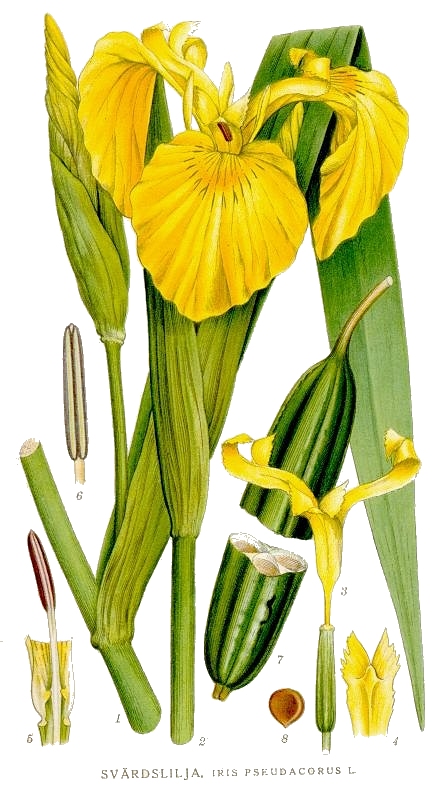
The nest the moor hen seeks is a โ€œflag nestโ€ that is, a nest made of the leaves of the common water flag, Iris pseudacorus: The yellow water flag is also known as the โ€œgladden,โ€ which accounts for the โ€œGladden Fieldsโ€ the marshlands where Isildur was slain in Tolkienโ€™s The Lord of the Rings, and where the โ€œOne Ringโ€ was lost in the river.
“I like the willow leaning half way o’er” : : weeping willow tree ( เชจเซ‡เชคเชฐ : เชœเซ‡เชตเชพ เชชเซเชฐเช•เชพเชฐเชจเซเช‚ เชˆเช‚เช—เซเชฒเซ€เชถ เชตเซƒเช•เซเชท ) in fall over the lakeside
“And white wool sack clouds sailing to the north”


“I love the hay grass when the flower heads swing”
Fleeing Butterfly from moment
Hunter Insect! at Sunset!!
And a Dragon Fly : an insect with its Happy Wings in display : ” To summer winds and insects happy wings

That sport about the meadow the bright day”

“And see bright beetles in the clear lake play”
Diving water beetle in the pond water
The Great diving Beetle – Dytiscus marginalis – under water hunting.
Diving beetle (Graphoderus cinereus) swimming under water. Little water beetle with black and orange head captured under water with bubbles around the head. Green background.
Group of Whirligig Beetles swimming on the water surface of a lake. Gyrinus spp. Gyrinidae family.
walking upside-down on the undersurface of a pool of water: : water scavenger beetleโ€™s nonchalant ceiling crawl (family Hydrophilidae) : : In full control of its life and current situation, It skittered along the undersurface of the water as if in a parallel world, the kneeling : Says Dr. Gould in his phone recorded video in the forestsโ€™ ephemeral pools at the Watagan Mountains in New South Wales, Australia in 2015: Reported the document published after 6 years by New York Times ( 26.7.2021 )
Blue Clear Water : : water beetle is a generalized name for any beetle that is adapted to living in water at any point in its life cycle. Most water beetles can only live in fresh water, with a few marine. 2000 species worldwide: : Many water beetles carry an air bubble, called the elytra cavity, underneath their abdomens, which provides an air supply, and prevents water from getting into the spiracles. Others have the surface of their exoskeleton modified to form a plastron, or “physical gill”, which permits direct gas exchange with the water. Some families of water beetles have fringed hind legs adapted for swimming, but most do not. Most families of water beetles have larvae that are also aquatic; many have aquatic larvae and terrestrial adults : :Water beetles can be either herbivores, predators, or scavengers. Herbivorous beetles eat only aquatic vegetation, such as algae or leaves. They might also suck juices out the stem of a plant nearby. Scavenger beetles will feed on decomposing organic material that has been deposited. The scavenged material can come from aquatic vegetation, feces, or other small organisms that have died. The great diving beetle, a predator, feeds on things like worms, tadpoles, and even sometimes small fish.
This Whirligig Beetle has trapped a Bubble of air at the end of its abdomen so it can obtain Oxygen while underwater.
Oh! The beauty of the Summer beaming forth : I am about to touch !!.. .

https://youtu.be/daG-A3h2WjQ

SONNET
I LOVE TO SEE THE SUMMER
BY JOHN CLARE


I love to see the summer beaming forth

And white wool sack clouds sailing to the north

I love to see the wild flowers come again

And Mare blobs stain with gold the meadow drain

And water lilies whiten on the floods

Where reed clumps rustle like a wind shook wood

Where from her hiding place the Moor Hen pushes

And seeks her flag nest floating in bull rushes

I like the willow leaning half way o’er

The clear deep lake to stand upon its shore

I love the hay grass when the flower head swings

To summer winds and insects happy wings

That sport about the meadow the bright day

And see bright beetles in the clear lake play

— John Clare ( 1793 – 1864 ) : : : : เช…เชฐเซเชฅ เชจเชฟเชฐเซเชฆเซ‡เชถ เช†เชธเซเชตเชพเชฆ เช•เชพเชตเซเชฏเชพเชฐเซเชฅ เชตเชฟเชšเชพเชฐ เชธเช‚เช•เชฒเชจ เชตเชฟ เชœเชฏเชฐเชพเชœ : : : : : : : : :: John Clare is a Romantic Poet . His Sonnet : ‘I love to see the Summer beaming forth’ is glorious evocation of the Summer Time , and is a Classic to remember as representative sonnet/ poem for Summer. John Clare: Major Works from Oxford University Press : is a good edition for john Clare’s Poetry : :”I love to see the Summer” is remarkable in its Opening line : ‘I love to see the Summer beaming forth’ and the sonnet ending in its last line : ‘And see bright beetles in the clear lake play’ wherein ‘ bright beetles ‘ playing in the ‘clear lake’ are the marvellous images and the line maintains : John Clare’s habitual marking that always refuse to put any of the punctuations. The process of poem/ poetry never concludes ; never finishes . In connection with the Summer it may fade , but it will return every year and year by year nature will continue to exhibit its evocative glory and a thrill. The Summer scene described present the late May of old calender Or in other’s opinion

an extended part probably the month of August in Britain. There is affirmation that things happen in cycles, like the seasons. We saw the wild flowers last year but here they are back again, giving us joy. Nature seems to become more vibrant: the ‘wild flowers come again’, and ‘water lilies whiten on the floods’ : :Four lines begin with โ€˜I loveโ€™ or โ€˜I likeโ€™, five lines begin with โ€˜andโ€™: He simply states that he loves summer and lists what exactly that entails. This simple approach makes it interesting and readable. He speaks of white clouds floating in the blue sky as โ€œwhite wool sack clouds sailing to the northโ€ โ€” Gerard Manley Hopkins เชจเซ‡ เชฏเชพเชฆ เช•เชฐเชตเชพเชจเซ‹ เช†เชจเช‚เชฆ :

what lovely behaviour / Of silk- sack โ˜๏ธ clouds! (โ€œHurrahing in Harvestโ€ ) And then : : joys in the warm-weather return of wild flowers, and looks to where golden flowers fill the ditch that drains water from the meadow. These are ” Mare Blobs ” staining with gold เชœเซ‡ Caltha palustris โ€” the marsh marigold เช›เซ‡ : เชœเซเช“ , เช…เชนเซ€เช‚ เช†เชชเซ‡เชฒเซเช‚ เชšเชฟเชคเซเชฐ : : ‘water lillies whiten on the floods’ :โ€Œ เชœเซเช“ เชšเชฟเชคเซเชฐ : Nymphaea alba : เชˆเช‚เช—เซเชฒเซ€เชถ white water lilies : : เชœเซเชฏเชพเช‚ เชตเซƒเช•เซเชทเซ‹ เชจเชพ เชชเชพเช‚เชฆเชกเชพ/ เช˜เชŸเชพ เชตเชจเชฐเชพเชœเซ€ เช–เชกเช–เชกเชพเชŸ เช•เชฐเชคเซ€ เชนเซ‹เชฏ ; เชชเชตเชจเชฅเซ€ เชนเชšเชฎเชšเซ€ เช‰เช เซ‡ เชเชตเชพ เช…เชตเชพเชœ เช•เชพเชขเชคเซ€ เชนเซ‹เชฏ เชเชฎ เช•เชฎเชณ เชจเซ€ เชชเช‚เช–เซ‚เชกเซ€เช“ เช–เซ€เชฒเซ‡ เช›เซ‡ ; เชธเชฐเซ‹เชตเชฐ / เชคเชณเชพเชต / เชจเชฆเซ€ เชจเชพ เชœเชณ เชฎเชพเช‚ ; เชœเซ‡เชจเซ‡ เช•เชตเชฟ ” lilies whiten on the floods ” เชคเชฐเซ€เช•เซ‡ เชšเชฟเชคเซเชฐเชฃ เช•เชฐเซ‡ เช›เซ‡. : : ” from her hiding place the Moor Hen pushes
And seeks her flag nest floating in bull rushes ” : : เชœเซเช“ เชšเชฟเชคเซเชฐ : The moor hen โ€” Gallinula chloropus โ€” เชฌเชฐเซ / เชฎเชฒเซ‹เช–เซเช‚ เชตเชšเซเชšเซ‡ เชจเซ€ เชธเช‚เชคเชพเชตเชพเชจเซ€ เชœเช—เซเชฏเชพเชเชฅเซ€ เชนเชกเชธเซ‡เชฒเซ€เชจเซ‡ เชฌเชนเชพเชฐ เช†เชตเซ€ เชชเชนเซ‹เช‚เชšเซเชฏเซเช‚ moor hen / marsh hen : A flightless water Bird : coming out leaving its nest of leaves called ” flag nest ” : เชœเซเช“ เชšเชฟเชคเซเชฐ : : เช•เชตเชฟ เชจเซ‡ เช†เชจเช‚เชฆ เชฅเชพเชฏ เช›เซ‡ เชœเซ‹เชตเชพเชจเซ‹ : : ” the willow leaning half way oโ€™er
The clear deep lake to stand upon its shore.” : : เช•เชตเชฟ เชจเซ‡ เชธเซเช•เชพเชคเชพ เชœเชคเชพ เช˜เชพเชธ เชจเซ€ เช—เช‚เชœเซ€ : hay grass เชœเซ‹เชตเชพ เชฅเซ€ เชชเชฃ เชนเชฐเซเชท เชฅเชพเชฏ เช›เซ‡: : the hay grass when the flower head swings
To summer winds and insects happy wings
That sport about the meadow the bright day ” เช•เชตเชฟ เชจเซ‡ เช†เชตเชพ เชŠเช‚เชšเชพ เช˜เชพเชธเชจเชพ เช—เช‚เชœ เชฎเชพเช‚ เช‰เชจเชพเชณเชพเชจเซ€ เชชเซเชฐเชตเชพเชˆ เชฅเซ€ เช†เชฎเชคเซ‡เชฎ เชกเซ‹เชฒเชคเชพ เชœเช‚เช—เชฒเซ€ เชซเซเชฒเซ‹ , เช…เชจเซ‡ เชจเซ€เชšเชพเชฃเซ‡ เชฌเซ€เชก เชชเชฐเซ‡ เช—เชฎเซเชฎเชค เช•เซเชฐเซ€เชกเชพ เชฎเชพเช‚ เชฎเชคเซเชค เช–เซเชถ เช–เซเชถ เชชเชพเช‚เช– เชตเซ€เช‚เชเชคเชพ เชœเซ€เชตเชกเชพเช‚ เชธเซ‚เชฐเซเชฏเชชเซเชฐเช•เชพเชถ เชจเชพ เช‰เชœเชพเชธ เช…เชœเชตเชพเชณเชพเช‚ เชฎเชพเช‚ เชœเซ‹เชตเชพ เช—เชฎเซ‡ เช›เซ‡: : : : “And see bright beetles in the clear lake play” : : เชšเชฎเช•เชคเชพ เชœเชณ เชฎเชพเช‚ เชจเชพเชธเชญเชพเช— เช•เชฐเชคเชพ เชชเชพเชฃเซ€ เชจเชพ เชญเชฎเชฐเชพเช“ เชคเชฐเชซ เชเช•เชพเช—เซเชฐเชคเชพเชฅเซ€ เช•เชตเชฟ เชธเซเชคเชฌเซเชง เชจเชœเชฐเซ‡ เชœเซ‹เชˆ เชฐเชนเซ‡ เช›เซ‡. John Clare (1793-1864) was an English poet born of poor and illiterate country workers, and though he managed to get some of his work published and received a small annuity, it was never enough to support his family, so he also had to work as a farm laborer. The many difficulties of life eventually became too much for him, and he began to have mental problems and delusions that caused him to be placed in an asylum. It is known only from a copy transcribed by W. F. Knight, the steward at the asylum where John Clare spent over two decades of the latter part of his life.: :::THE SUMMER BEAMING FORTH: JOHN CLAREโ€™S โ€œSONNETโ€ : : : : Poem Analysis Presented by V Jayaraj Pune India May 13 , 2022 : : : : เช†เชธเซเชตเชพเชฆ เช•เชพเชตเซเชฏเชพเชฐเซเชฅ เชตเชฟเชšเชพเชฐ เชธเช‚เช•เชฒเชจ เชตเชฟ เชœเชฏเชฐเชพเชœ : : เชฎเซ‡เช‚ เซงเซฉ , เซจเซฆเซจเซจ : : เชตเซˆเชถเชพเช– เชธเซเชฆ เชฌเชพเชฐเชธ : : เชชเซ‚เชฃเซ‡ เชˆเชจเซเชกเชฟเชฏเชพ : : : : : : : : : : : : : : :


The Soote Season : Henry Howard , Earl Of Surrey : Sonnet : : Summer Time Classic : :

Henry Howard (Earl of Surrey (1516/17-1547)

The soote season, that bud and blome furth bringes,
With grene hath clad the hill and eke the vale:
The nightingale with fethers new she singes:
The turtle to her make hath tolde her tale:
Somer is come, for euery spray nowe springes,
The hart hath hong his olde hed on the pale:
The buck in brake his winter cote he flinges:
The fishes flote with newe repaired scale:
The adder all her sloughe awaye she slinges:
The swift swalow pursueth the flyes smale:
The busy bee her honye now she minges:
Winter is worne that was the flowers bale:
And thus I see among these pleasant thinges
Eche care decayes, and yet my sorow springes. : : : : : : : : ๐ŸŒน๐ŸŒน๐ŸŒน๐ŸŒน๐ŸŒน๐ŸŒน๐ŸŒน๐ŸŒน๐ŸŒน๐ŸŒน — Henry Howard, Earl of Surrey (1516/17-1547) : : : : เช…เชฐเซเชฅ เชจเชฟเชฐเซเชฆเซ‡เชถ เช†เชธเซเชตเชพเชฆ เช•เชพเชตเซเชฏเชพเชฐเซเชฅ เชตเชฟเชšเชพเชฐ เชธเช‚เช•เชฒเชจ เชตเชฟ เชœเชฏเชฐเชพเชœ : : : : Henry Howard, Earl of Surrey (1516/17-1547) was the poet who invented the Shakespearean sonnet, sometimes known as the English sonnet. It was the Earl of Surrey who made the innovation of ending the sonnet with a rhyming couplet, and in โ€˜The Soote Seasonโ€™ he uses this to brilliant effect. This is one of the first sonnets written in English, but itโ€™s not as well known as it perhaps should be. โ€˜The Soote Seasonโ€™ is also one of the finest English poems written about summer, though it also takes in the spring season too. It was first published in English poetryโ€™s first ever verse anthology, Tottelโ€™s Miscellany: Songs and Sonnets of Henry Howard, Earl of Surrey, Sir Thomas Wyatt and Others (Penguin Classics), in 1557, where it appeared with the title โ€˜Description of Spring, wherein each thing renews, save only the loverโ€™. The poem is given in its original spelling. : : : : : : : : : : : : : เช‰เชจเชพเชณเชพเชจเซเช‚ เช†เช—เชฎเชจ เช…เชจเซ‡ เชตเชฟเชตเชฟเชง เชฐเซ€เชคเซ‹ เชœเซ‡เชฎเชพเช‚ เช…เช—เชพเช‰ เชเช• เชชเซเชฐเช•เชพเชฐเชจเซ€ เชธเซเชฅเชฟเชฐเชคเชพ , เชธเซเชธเซเชคเซ€ เช…เชจเซ‡ เชจเชฟเชทเซเช•เซเชฐเชฟเชฏเชคเชพ (Hibernation) เช…เชฅเชตเชพ In Stash ( เช•เซเชฏเชพเช‚เช• / เชธเซเชฐเช•เซเชทเชฟเชค เชฐเชนเซ€เชจเซ‡ เชธเช‚เชคเชพเชฏ เชฐเชนเซ‡เชฒเซเช‚ เชตเชฟเชถเซเชต ) เชนเชตเซ‡ เชœเซ€เชตเชจเชฎเชพเช‚ เช‰เชญเชฐเซ€ เชฐเชนเซเชฏเซเช‚ เช›เซ‡ : : It is springing in life everywhere ; alongside Sorrows of the Poet too. (โ€˜เชธเซ‚เชŸเซ‡โ€™ Soote เชจเซ‹ เช…เชฐเซเชฅ โ€˜เชฎเซ€เช เซ‹โ€™ เชฅเชพเชฏ เช›เซ‡.) เช•เชตเชฟเชจเซเช‚ เชฆเซ:เช– เชชเชฃ เชœเซ€เชตเชจเชฎเชพเช‚ เช…เชตเชคเชฐเซเชฏเซ . เชชเชพเชจเช–เชฐ เช…เชจเซ‡ เชถเชฟเชฏเชพเชณเชพเชจเซ‡ เชฆเซ:เช– เชธเชพเชฅเซ‡ เชœเซ‹เชกเชพเชฏ , เชชเชฐเช‚เชคเซ เช‰เชจเชพเชณเชพเชจเซ‡ เชจเชนเซ€เช‚. ‘เชธเชฐเซ‡เชจเชพ เช…เชฐเซเชฒ’ / ‘เชˆเช‚เช—เซเชฒเซ€เชถ เช‰เชฎเชฐเชพเชต’ ; เชชเซ‹เชคเชพเชจเชพ เชฆเซ:เช–เชจเซ‡ เชตเชงเซ เชธเชฃเชธเชฃเชคเซเช‚ เชชเชฃ เช—เชฎเชคเซเช‚ เช…เชจเซ‡ เชฐเซ‹เชšเช• เชฌเชจเชพเชตเซ‡ เช›เซ‡ because he is surrounded by reminders of joy , life , and vibrant activities .Diana Wynne Jones once remarked, โ€˜Happiness isnโ€™t a thing. You canโ€™t go out and get it like a cup of tea. Itโ€™s the way you feel about things.โ€™ : : We all wait for the Happiness that we want. เช•เซเชฏเชพเชฐเซ‡เช• เชตเชงเซ เช‰เชคเซเชธเซเช•เชคเชพ เชฐเชนเซ‡ เชจเชนเซ€เช‚ เชเชฎ เชฌเชจเซ‡ , เชชเช›เซ€ เชญเชฒเซ‡ เชจเซ‡ เช–เซเชถเซ€ / เช†เชจเช‚เชฆ , เชฎเชจ เชฎเชฟเชœเชพเชœ เชฎเชพเช‚เช—เซ‡ . : : No Rhyme , No Season No Reason to Unhappiness . Dr Oliver Tearle, is a literary critic and lecturer in English at Loughborough Universityโ€˜ writes : :” ‘The soote seasonโ€™ takes up the literary legacy of Middle English poetry and, specifically, alliterative verse ( เช…เชจเซเชชเซเชฐเชพเชธ / เชตเชฐเซเชฃเชธเช—เชพเชˆ เชจเชพ เชชเชฆเซเชฏ ) . These move between the soft sibilance ( เช—เซเชœเชฐเชพเชคเซ€ เชญเชพเชทเชพ เชœเซ‡เชฎเช•เซ‡ เชถ , เชธ , เชท เชฎเชพเช‚ เชธเชฎเชพเชฏเซ‡เชฒ เชญเซ‡เชฆ เชชเชพเชกเชคเชพ เชธเชฟเชธเช•เชพเชฐเชพ เชคเชฐเซ€เช•เซ‡ เชธเชฎเชœเชพเชตเซ‡ เช›เซ‡ . ) that strike an appropriately summery ( เชธเชฎเชฐเชฟ : เช‰เชจเชพเชณเชพ ) note (โ€˜soote seasonโ€™, โ€˜spray nowe springesโ€™) and harsher sounds conveying the vivid activity going on in the natural world (โ€˜tolde her taleโ€™, โ€˜buck in brakeโ€™). In a sense, the final phrase in the poem, โ€˜sorow springesโ€™, combines this soft sibilance and the harsher plosives in two words, just as, earlier in the poem, โ€˜bringesโ€™ and โ€˜singesโ€™ had merged into โ€˜springesโ€™. ( เช…เช‚เช—เซเชฐเซ‡เชœเซ€เชฎเชพเช‚ adjectives : denoting a consonant that is produced by stopping the airflow using the lips, teeth, or palate, followed by a sudden release of air. Noun เชฎเชพเชŸเซ‡ Basic Plosive : t , k , P : Voiceless เช—เชฃเชพเชฏ เชœเซเชฏเชพเชฐเซ‡ d , g , b : Voiced เช—เชฃเชพเชฏ : ) : :Henry Howardโ€™s โ€˜The Soote Seasonโ€™ : : Poem Analysis Presented by V Jayaraj Pune India : : เช…เชฐเซเชฅ เชจเชฟเชฐเซเชฆเซ‡เชถ เช†เชธเซเชตเชพเชฆ เช•เชพเชตเซเชฏเชพเชฐเซเชฅ เชตเชฟเชšเชพเชฐ เชธเช‚เช•เชฒเชจ เชตเชฟ เชœเชฏเชฐเชพเชœ : : เชฎเซ‡ เซงเซจ , เซจเซฆเซจเซจ : : เชตเซˆเชถเชพเช– เชธเซเชฆ เช…เช—เชฟเชฏเชพเชฐเชธ : : : : : : : : : :

Heat : Hilda Doolittle (H. D.) : : Summer Time Classic : :

Born in 1886, Hilda Doolittle was one of the leaders of the Imagist movement. She published numerous poetry collections, including Sea Garden (Constable and Company, 1916) and Helen in Egypt (Grove Press, 1961). She died in 1961.


Heat
H. D. – 1886-1961


” O wind, rend open the heat,
cut apart the heat,
rend it to tatters. ” : : ” เชนเซ‡ เชชเชตเชจ , เช† เช—เชฐเชฎเซ€ เชจเซ‡โ€Œ เช–เซเชฒเซเชฒเซ€ เชชเชพเชกเซ€ เช‰เช˜เชพเชก เชฒเชพเชต . เชคเซ‡เชจเชพ เชคเชพเชชเชจเซ‡ เช•เช•เชกเซ‡ เช•เช•เชกเชพ เช•เชฐ , เชเชตเซ€ เชซเชพเชก เช•เซ‡ เชฌเชจเซ‡ เช•เชพเช—เชณ เชจเชพ เช•เช•เชกเชพ เชœเซ‡เชตเซ€ . ”
” Fruit cannot drop
through this thick airโ€”
fruit cannot fall into heat
that presses up and blunts
the points of pears
and rounds the grapes. ” : : เช˜เชŸเซเชŸ เชนเชตเชพ เชจเชพ เชธเซเชคเชฐเชจเซ‡ เชญเซ‡เชฆเซ€เชจเซ‡ เชซเชณ เชชเชกเซ€ เชถเช•เชคเชพ เชจเชฅเซ€ . เชจเชพเชถเชชเชคเซ€ เชจเชพ เช…เชฃเชฟเชฏเชพเชณเชพ เช›เซ‡เชกเชพเช“ เชฆเชฌเชพเชตเซ€เชจเซ‡ เชฌเซ‚เช เชพ เช•เชฐเชจเชพเชฐ เช…เชจเซ‡ เชฆเซเชฐเชพเช•เซเชท เชจเซ‡ เชšเชพเชฐเซ‡เช•เซ‹เชฐเชฅเซ€ เช—เซ‹เชณ เช•เชฐเชจเชพเชฐ เช—เชฐเชฎเซ€ เชฎเชพเช‚ เชซเชณเซ‹ เชชเชกเซ€ เชถเช•เชคเชพ เชจเชฅเซ€ . ” ” Cut the heatโ€”
plough through it,
turning it on either side
of your path. ” : : เชคเชพเชฐเชพ เชชเชฅเชจเซ€ เช—เชคเชฟเชฐเซ‡เช–เชพ เชจเซ€ เชฌเช‚เชจเซ‡ เชคเชฐเชซ เชšเชพเชธ เชชเชกเซ‡ เชคเซ‡เชฎ เช‰เชฒเชŸเชพเชตเซ€ เชจเซ‡ เช† เช—เชฐเชฎเซ€เชจเซ‹ เช…เช‚เชค เชฒเชพเชตเซ€ เชฆเซ‡ . ” : : :: Born in 1886, Hilda Doolittle was one of the leaders of the Imagist movement. She published numerous poetry collections, including Sea Garden (Constable and Company, 1916) and Helen in Egypt (Grove Press, 1961). She died in 1961. : : : : HEAT เชเช• เชชเซเชฐเช•เชพเชฐเชจเซเช‚ เชŸเซ‚เช‚เช•เซเช‚ เชˆเชฎเซ‡เชœเซ€เชธเซเชŸ เช—เซ€เชค เช•เชนเซ€ เชถเช•เชพเชฏ : เชšเชฟเชคเซเชฐเชฃเชฒเช•เซเชทเซ€ เช•เชพเชตเซเชฏ .In the poem, the speaker calls upon the wind to divide the close air and provide respite from the cloying heat. เชนเชตเชพเชฎเชพเช‚ เชตเซเชฏเชพเชชเซเชค เช—เชฐเชฎเซ€ เชฅเซ€ เชฐเชพเชนเชค เชฎเชณเซ‡ เช เชธเชพเชฐเซเช‚ เชตเชฟเชญเชพเชœเชฟเชค เช•เชฐเชตเชพ เชฎเชพเชŸเซ‡ เชชเชตเชจ เชจเซ‡ เช•เชนเซ‡เชคเซเช‚ เช•เชฒเซเชชเชจ เชšเชฟเชคเซเชฐ เชฆเซ‹เชฐเซ€ เช†เชชเซ‡ เช…เชจเซ‡ เชคเซ‡เชฏ เชจ เชฆเซ‡เช–เชพเชคเซ€ เช—เชฐเชฎเซ€ เชจเซเช‚ , เช—เชฐเชฎเซ€ oppressive เชนเซ‹เชฏ ; เชคเชพเชช – เช•เชพเชช เชจเชพ เชšเชฟเชคเซเชฐเซ‹ เชฆเซเชตเชพเชฐเชพ เช…เชญเชฟเชตเซเชฏเช•เซเชคเชฟ เซฉ+เซฌ+เซช เชชเช‚เช•เซเชคเชฟเช“เชจเชพ เช…เช‚เชคเชฐเชพ เชฎเชพเช‚ เชฐเชธเชชเซเชฐเชฆ เชฆเซƒเชถเซเชฏ เชฐเชšเซ€ เช†เชชเซ‡ เช›เซ‡. Rhyme scheme เช•เซ‡ matrical pattern , imagist เช•เชตเชฟเชคเชพ เชฎเชพเช‚ เชนเซ‹เชฏ เชจเชนเซ€เช‚ . air & pear ๐Ÿ ; heat & rend เชถเชฌเซเชฆเซ‹ เชธเชพเชฅเซ‡ Half rhyme เช†เชตเซ€ เช›เซ‡. เชชเซเชฐเชฅเชฎ stanza เชฎเชพเช‚ : speaker’s passion is clear : เช…เชนเซ€เช‚ apostrophe speaker เชจเซเช‚ เช‰เชฆเซเช—เชพเชฐเชตเชพเชšเช• เชธเช‚เชฌเซ‹เชงเชจ เชชเชตเชจ เชจเซ‡ เช‰เชฆเซเชฆเซ‡เชถเซ€เชจเซ‡ เช•เชนเซเชฏเซเช‚ เช›เซ‡ :Apostrophe, in poetry, is a figure of speech in which a character or speaker addresses someone who is absent. เชฆเซเชตเชฟเชคเซ€เชฏ stanza เชฎเชพเช‚ heat เชตเชฟเชถเซ‡ เชจเชพ เชชเซเชฐเชฒเชพเชช เชšเชพเชฒเซเช‚ เชœ เชฐเชพเช–เซเชฏเชพเช‚ เช›เซ‡. Heat is thick and oppressive ( Alliteration ) ; fruits can’t even fall off to the ground. Its a force to be reckoned with ; it presses in to the fruits from every direction; makes pears blunt : rounds the grapes : Good example of Hyperbole or an intensional Exaggeration of a description. Speaker’s feelings become more subtle. In 3 rd Stanza , Speaker goes back to talking directly to Wind ; repeats her request for cutting down of Heat from the first line of the poem : cut the heat ; do anything ; plough through it and make a path : Here is depicted : the image of horse ploughing the field : Good example of Metaphor : Also , related to Moses parting the Red Sea : An image from the Bible. : : H. D. ‘s HEAT : : Summer Time Classic : : Poem Analysis Presented by V Jayaraj Pune India : May 11 , 2022 : : เช…เชฐเซเชฅ เชจเชฟเชฐเซเชฆเซ‡เชถ เช†เชธเซเชตเชพเชฆ เช•เชพเชตเซเชฏเชพเชฐเซเชฅ เชตเชฟเชšเชพเชฐ เชธเช‚เช•เชฒเชจ เชตเชฟ เชœเชฏเชฐเชพเชœ เชชเซ‚เชฃเซ‡ เชˆเชจเซเชกเชฟเชฏเชพ : : : : : : : : : : : :

Design a site like this with WordPress.com
Get started